
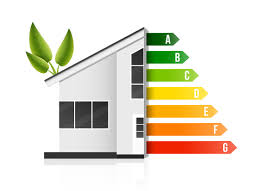
Introduction to the Importance of Energy-Efficient Home Upgrades
The importance of energy-efficient home upgrades has grown significantly in today’s world. Homeowners are looking for ways to save money on utility bills while also reducing their environmental impact. Energy-efficient upgrades help achieve both goals.
Modern technology allows homeowners to improve insulation, lighting, heating, and cooling systems. Understanding the importance of energy-efficient home upgrades helps create a comfortable, cost-effective, and sustainable home environment.
What Are Energy-Efficient Home Upgrades?
Energy-efficient home upgrades are improvements designed to reduce energy consumption. These can include:
- Installing LED lighting instead of traditional bulbs
- Upgrading to energy-efficient appliances
- Adding better insulation to walls, roofs, or windows
- Using programmable thermostats and smart home systems
These upgrades save energy, reduce utility bills, and increase the overall efficiency of your home.
Benefits of Energy-Efficient Home Upgrades
Lower Energy Bills
Energy-efficient appliances and systems use less electricity or gas. This directly reduces monthly utility bills and saves homeowners significant amounts over time.
Environmental Impact
Using less energy means fewer carbon emissions. Energy-efficient homes contribute to environmental conservation, helping fight climate change.
Increased Home Value
Homes with energy-efficient upgrades are more attractive to buyers. Installing solar panels, efficient HVAC systems, or double-pane windows can increase your property’s market value.
Comfort and Convenience
Upgrades such as proper insulation, energy-efficient windows, and modern HVAC systems improve indoor comfort. Homes remain warmer in winter and cooler in summer with consistent energy use.
Popular Energy-Efficient Home Upgrades
1. Lighting Upgrades
Replacing traditional bulbs with LED lights saves energy and reduces electricity costs. LEDs last longer and are environmentally friendly.
2. Smart Thermostats
Programmable thermostats allow homeowners to control heating and cooling efficiently. They reduce energy waste by adjusting temperature automatically when no one is home.
3. Insulation and Windows
Proper insulation and double-glazed windows keep your home temperature stable. This reduces the need for excessive heating or cooling, saving energy and money.
4. Energy-Efficient Appliances
Refrigerators, washing machines, and dishwashers with high energy-efficiency ratings use less electricity and water. Upgrading appliances is a simple way to reduce consumption.
5. Solar Panels
Solar energy is renewable and can significantly cut electricity bills. Regular maintenance from professional service providers such as solar panel cleaning Highland can help maintain efficiency and ensure optimal energy production over time.
read more : How Content Creators are Changing the Entertainment World
How to Plan Energy-Efficient Home Upgrades
- Assess Your Home – Identify areas where energy is wasted, like old windows or outdated appliances.
- Set a Budget – Determine how much you are willing to invest in upgrades.
- Prioritize Upgrades – Focus on improvements that save the most energy and provide the best return on investment.
- Hire Professionals – For major upgrades like solar panels or HVAC systems, hire certified professionals.
- Monitor Results – Track energy consumption before and after upgrades to see real savings.
Common Misconceptions About Energy-Efficient Upgrades
- “They are too expensive.”
While some upgrades have upfront costs, most pay for themselves over time through reduced bills. - “Small homes don’t benefit.”
Even small homes save energy with proper insulation, lighting, and smart appliances. - “Upgrades are complicated.”
Many energy-efficient improvements are simple DIY tasks like replacing light bulbs or installing a smart thermostat.
Future Trends in Energy-Efficient Home Upgrades
The future of energy-efficient homes looks promising:
- Smart Home Integration – Devices will automatically manage energy usage for maximum efficiency.
- Advanced Insulation Materials – New materials will further reduce heating and cooling energy needs.
- Renewable Energy Expansion – More homes will adopt solar panels, wind energy, or hybrid systems.
These trends show that energy efficiency will continue to play a key role in modern homes.
Conclusion
The importance of energy-efficient home upgrades cannot be overstated. They save money, reduce environmental impact, and increase the comfort and value of your home.
By investing in upgrades like smart thermostats, energy-efficient appliances, insulation, and solar panels, homeowners can enjoy long-term benefits. In today’s eco-conscious world, the importance of energy-efficient home upgrades ensures that homes are sustainable, cost-effective, and future-ready.
