
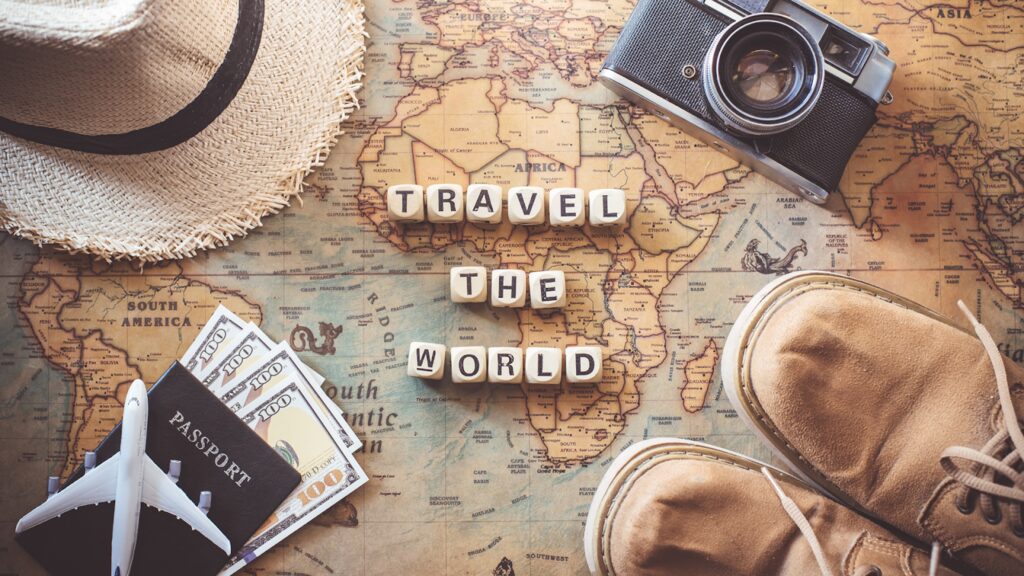
Traveling to a new country is exciting. You get to see new places, try different foods, and learn about new cultures. But international trips also require careful planning. Rules, customs, health needs, and safety steps can vary from one country to another. Being prepared helps you feel confident and avoid problems during your journey. Simple actions, like checking travel documents, understanding local laws, and planning your transport, can make your trip smoother and safer.
Good preparation does not take away the fun; it protects it. In this guide, we’ll share clear and practical travel safety and preparation tips to help international visitors enjoy a stress-free and successful trip.
Step-by-Step Travel Preparation Tips Before You Book Anything
Good travel preparation tips start weeks ahead of your flight, not the night before when you’re frantically Googling visa requirements. This phase is about research, routing, and accommodation decisions that quietly shape your entire safety baseline.
Smart Destination Research That Actually Improves Safety
Start with your government’s official travel advisory. Then go deeper: recent traveler forums, crime heatmaps for specific neighborhoods, political calendars, protest schedules, and seasonal flooding risks. Fifteen minutes of research here is worth more than a dozen in-country decisions made under stress.
Choosing Safe Flights, Routes, and Arrival Times
Daytime arrivals are objectively better for international visitors, better lighting, more transport options, and a more forgiving environment when you’re jet-lagged and slightly confused. Pre-book your airport transfer. Don’t negotiate a ride at arrivals when you’re exhausted and carrying everything you own.
If you’re traveling to Mexico, connectivity isn’t optional, it’s safety infrastructure. You need instant access to maps, ride-hailing apps, and emergency contacts the moment you land.
The cleanest solution is to grab a mexican esim through a provider like Maya Mobile before you leave home. Install it, test it, and arrive knowing your phone works. No hunting for airport Wi-Fi, no surprise roaming bills, no gap in coverage during the moments that matter most.
Booking Secure Accommodation With Safety in Mind
Reviews that mention “well-lit entrance,” “24/7 front desk,” and “safe neighborhood” aren’t filler language, they’re genuine signals from real travelers. Mid-floor rooms away from fire exits tend to be the safer choice. Always check for in-room safes and confirm late check-in procedures before you pay.
Core Principles of International Travel Safety for First-Time Visitors
Safe travel isn’t one thing. It’s six things layered on top of each other, physical, health, financial, digital, cultural, and legal safety. Miss one layer and the whole structure gets wobbly. Smart planning anchors everything else: deliberate packing, situational awareness, reliable tech, and knowing who to call when something goes sideways.
Key Mindset Shifts That Keep International Visitors Safe
Situational awareness sounds obvious until you realize how rarely people actually practice it. Scanning a new space when you walk in, noting exits, trusting that nagging gut feeling, these habits are unglamorous but genuinely effective.
Most locals you’ll meet are warm, generous, and helpful. The problem? Social engineering scams run specifically on that warmth. Context matters enormously. A chaotic street festival carries completely different risks than a quiet Tuesday afternoon in the same city.
Common Mistakes International Visitors Make (and Simple Fixes)
Posting your itinerary on Instagram is probably fine. Posting it in real-time while your hotel room sits empty? That’s essentially advertising a vacancy.
Flashing expensive camera gear, looking visibly disoriented, ignoring local dress conventions, each creates unnecessary vulnerability. And connecting to random public Wi-Fi without a VPN? That’s handing over your banking credentials for free.
Essential Travel Safety Checklist for Documents and Money
Financial disaster and document loss are two of the most common ways international trips unravel. A solid travel safety checklist stops both.
Document Protection System Every International Visitor Should Use
Carry physical copies of your passport, visas, insurance policy, vaccine certificates, and emergency contacts, kept separately from your originals. Store encrypted digital copies both in cloud storage and on an offline device. If your government offers embassy registration, do it. It’s free and takes ten minutes.
Safer Ways to Carry and Access Money Abroad
Use a layered approach: credit card, debit card, limited cash, and a travel card. Keep a “decoy wallet” with a small amount of cash for high-pressure moments. Only use ATMs inside actual bank branches, and cover that keypad every single time.
Digital Safety and Connectivity Strategies for International Visitors
Physical vulnerability gets all the attention. Digital vulnerability is growing faster and quietly affecting far more travelers.
Protecting Your Devices and Data While Abroad
A VPN on public Wi-Fi isn’t a paranoid geek habit anymore, 66% of travelers who use public Wi-Fi now treat a VPN as standard practice.
Enable biometric locks, activate remote wipe, and back up your photos before and during your trip. Avoid unknown USB charging ports completely, juice jacking is a real, documented threat in airports and transit hubs. For secure and reliable connectivity while exploring Mexico, choosing the best eSIM for Mexico helps travelers stay protected online without relying on risky public networks.
Safety Apps Worth Installing Before International Travel
Before you land: offline maps, an SOS app with direct emergency dial functionality, a translation tool that works without data, and a local transport app. Set up your trusted contacts and location-sharing rules before you leave, not after something’s already gone wrong.
On-the-Ground Safety Tips for International Visitors in Cities and Transit
Being street-smart isn’t about being suspicious of everyone. It’s about paying attention at the right moments.
Walk with purpose. Keep valuables out of sight. Skip the isolated shortcut, regardless of how harmless it looks on Google Maps. Environmental cues, lighting quality, foot traffic density, whether nearby businesses are open, give you real-time safety data no app can fully replicate.
In your room: check locks, peepholes, and secondary latches immediately. A door wedge costs almost nothing and adds real resistance. Never confirm your room number to anyone in the lobby who you didn’t expect to see there.
Protecting Yourself From Scams, Theft, and Exploitation Abroad
Tampered QR codes. Fake Wi-Fi hotspots named after your hotel. Distraction-based pickpocketing. These aren’t urban legends, they’re documented and common in tourist-heavy areas everywhere.
Anti-theft bags and a front-pocket phone habit aren’t excessive caution; they’re how experienced travelers move through crowded spaces. If your wallet or passport is stolen, report it to local police first, then your embassy, then your bank, in that exact order.
Quick-Start International Travel Safety Checklist
– Before booking: Check advisories, seasonal risks, and neighborhood safety
– 4–6 weeks out: Confirm passport validity, vaccinations, travel insurance
– 1–2 weeks out: Set up eSIM, digitize documents, notify banks, install apps
– Day of departure: Distribute cash across multiple locations, confirm transport plan
– During your trip: Stay situationally aware, follow local laws, check in with a trusted contact regularly
Frequently Asked Questions
What’s the six-month passport rule?
Many countries require your passport to remain valid for at least six months beyond your planned entry date. Check this early, it catches more travelers off guard than you’d think.
When should safety planning actually start?
Six weeks out, minimum. Vaccinations, visa processing, eSIM activation, insurance, none of these should be rushed into the final 48 hours.
Cash or card abroad, which is safer?
Neither alone. A credit card for bigger purchases, limited cash for small vendors, and a travel card as backup gives you genuine flexibility without a single point of failure.
Travel Preparation and Safety
Every bit of preparation you do at home is one fewer panicked decision you’ll have to make while sleep-deprived and far from familiar territory.
Documents, connectivity, health prep, scam awareness, local knowledge, none of this requires being a seasoned globetrotter. It just requires taking it seriously early enough. The safest travelers aren’t always the most experienced ones. They’re the ones who planned as though the unexpected was genuinely possible. Start now, and actually enjoy the trip you worked so hard to take.
