
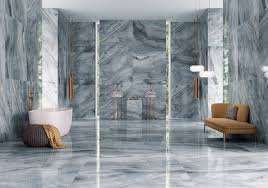
Ceramic floor tiles have become one of the most reliable choices for modern homes, especially in spaces that see constant activity like kitchens and living rooms. The right design doesn’t just protect your floors, it influences how open, warm, or polished a room feels the moment you walk in.
With today’s wide range of styles, from marble, inspired surfaces to wood, look planks and patterned tiles, choosing the right one can quickly become overwhelming. This guide breaks down practical design directions, smart selection strategies, layout ideas, and fresh trends to help you choose ceramic tiles that truly work for your space.
Ceramic Floor Tile Designs That Actually Work in Real Homes (Not Just Showrooms)
Before you fall in love with any particular design direction, it pays to run everything through a quick performance filter. That gorgeous tile you saw at a showroom? It can absolutely fail in the wrong room, and nobody wants to be regretting an expensive floor two years in.
Design + Performance Checklist
Slip resistance is non-negotiable in kitchens and entryways. Overly glossy finishes do belong on walls, not on wet, zone floors, satin or matte surfaces offer far better grip underfoot. When selecting ceramic floor tile, make sure it’s rated for flooring and capable of handling high traffic. Understanding wear ratings also matters, as they indicate how well a surface holds up under real friction over time.
Visual staying power is equally important. Trend, specific patterns and colors that feel thrilling today can look dated surprisingly fast.
For whole, home installs, anchor yourself to ceramic floor tile designs with longevity built in so the space continues to feel relevant years down the line. One commonly overlooked detail: grout color. Mid-tone grout hides dirt dramatically better than bright white, which looks clean for about three weeks before it starts looking otherwise.
The Style, to, Space Matching Rule
Kitchens demand traction, color variation that conceals crumbs, and layouts that don’t fight your cleaning routine. Living rooms need warmth, glare management, and a finish that still feels pleasant underfoot at 8 p.m. under ambient lamp light. That’s a different brief entirely. Once you’ve filtered your shortlist through those performance checks, match each design to what your specific room actually demands, not what looks best in a Pinterest photo.
Kitchen Ceramic Floor Tiles, Design Directions That Look Custom
The kitchen is unforgiving. Function and style don’t get to negotiate, they both have to show up. The kitchen ceramic floor tiles you select set the visual tone for everything else in the space, so choose with intention.
Large, Format Minimal Grout Kitchens
Large, format tiles, 24×24 or plank configurations, do something that smaller tiles simply can’t: they visually expand the room and kill the busy “grid” effect that 12x12s are known for. Fewer grout lines also mean a simpler cleaning routine.
Here’s a detail most guides skip: stagger the tile direction against your cabinet runs in a galley kitchen. Without that move, you can accidentally narrow the visual width of the whole space.
Patterned Statement Floors
Patterned floors thrive in galley kitchens or clearly defined cooking zones. The balancing act? Keep your countertops and backsplash calmer when the floor is doing the talking, pull just one color from the pattern and echo it subtly elsewhere.
Transition to a solid tile at the kitchen boundary with a clean threshold so the pattern lands intentionally rather than just stopping abruptly.
Checkerboard and Modern Harlequin
The checkerboard comeback is real, and it’s nothing like the diner floors of your childhood.
The current palette story runs far more sophisticated: warm white paired with greige, sage with cream, or sand alongside clay. Scale is critical, tiles in the 6″ to 12″ range tend to hit the sweet spot between contemporary and retro without tipping too far either direction.
Wood, Look Ceramic Floor Tile Designs
You want the warmth of wood in your kitchen. Completely understandable. But you also know what happens to real hardwood near a sink.
Ceramic floor tile designs in wood-look formats have genuinely evolved, today’s options are realistic in a way that older versions simply weren’t. Plank proportions between 6×36 and 8×48 read most convincingly. Straight lay feels classic; herringbone reads intentionally elevated. Coordinate your grout color to mimic actual wood seams and the illusion holds beautifully.
Terrazzo, Look and Matte Concrete, Look Tiles
Terrazzo ceramics are quietly one of the most practical choices for kitchens, the speckled visual pattern is basically built to camouflage crumbs and splashes between cleanings. Pair them with warm metal hardware and natural cabinet finishes.
Matte concrete, look tiles, particularly in warm gray or greige tones, work exceptionally well in modern kitchens. The matte surface eliminates glare and shows dramatically fewer footprints than a polished finish ever will.
Living Room Ceramic Floor Tiles, High, Style Looks That Still Feel Cozy
The kitchen is sorted, now shift your thinking. Living rooms carry a different set of demands entirely. Living room ceramic floor tiles need to feel comfortable underfoot, manage glare under artificial light, and maintain their visual quality across a larger expanse. Warmth isn’t optional here.
Seamless Open, Concept Flow
Running one continuous tile from the kitchen into the living area makes a home feel meaningfully larger. You don’t need a different tile to define zones, a well placed rug and a deliberate furniture arrangement does that work. The floor itself stays calm, unified, and visually expansive.
Stone, Look and Textured Matte Finishes
Stone, look ceramics, marble, limestone, travertine, inspired formats, deliver the aesthetic of natural stone at a fraction of the material and maintenance cost. Opt for options with warmer undertones to prevent rooms from feeling acoustically cold and cavernous. Keep vein direction consistent across tiles for a composed, unhurried visual.
Textured matte finishes are the go-to for family rooms, especially if you have pets. Comfortable underfoot, forgiving on glare, and easy enough to maintain if you choose a texture level that doesn’t trap fine dust in every crevice.
Warm Neutrals That Don’t Read “Builder Basic”
There’s a meaningful difference between a bland beige floor and one that genuinely anchors a room. It comes down almost entirely to palette relationships. Sand, oat, and clay together. Warm gray with cream. Soft taupe alongside mushrooms. These combinations breathe. Pair them with warm wall paint and natural wood furniture and you create real depth, the kind that photographs well and feels even better in person.
Bold Geometric Designs
One bold element, that’s the guiding rule. If your floor is geometric, the sofa, wall treatment, and accessories pull back. For smaller living rooms specifically, a bold floor pattern adds personality without actually crowding the space, it draws the eye down and out in a way that can make a room feel more intentional rather than smaller.
Ceramic Tile Flooring Ideas, Layout Patterns That Change the Whole Room
You’ve got a strong shortlist of tile styles. Now, the layout pattern can transform even the most straightforward tile into something that looks genuinely custom-built. These ceramic tile flooring ideas move well beyond basic straight lay.
Herringbone, Chevron, and Diagonal Lay
Herringbone and chevron introduce movement and a sense of quiet luxury, particularly effective with rectangular tiles or wood-look planks. Use them at entry, to, living sightlines or anchoring a dining zone in an open-plan layout.
Budget for additional installation time and extra tile waste; complex patterns earn their cost. Diagonal lay creates a similar expansive effect with simpler execution, a blended grout color keeps it calm rather than making it feel graphic and busy.
Mixed, Size Modular and Border Designs
Modular layouts build visual richness without introducing color complexity, keep finish and hue consistent across the different sizes and the mix reads cohesive rather than chaotic.
For living rooms, a tile “area rug” border beneath a seating arrangement is one of the most underused design moves available. It defines the zone, adds genuine elegance, and unlike an actual rug, never needs replacing.
Best Ceramic Floor Tiles, Smart Selection Guide
Layout locked. Now get specific about finish, size, color, and ratings before anything goes in a cart. U.S. ceramic tile consumption in 2024 reached 2.70 billion sq. ft., this is emphatically a mainstream flooring category with deep options across every price point.
Picking the Right Finish and Color Strategy
Kitchens perform best with satin or matte finishes, they balance traction with manageable cleanup. Living rooms benefit from finishes that minimize glare and forgive footprints visually.
Mid-tone colors win for everyday life across both spaces, they hide dust, pet hair, and crumbs in a way that very light or very dark solids simply cannot. Speckled or variation tiles consistently outperform flat solids in real-world conditions.
Size, Thickness, and Grout That Upgrades the Design
More grout lines mean more traction but also more maintenance, that’s the trade, off with smaller tiles. Large, format tiles demand a flatter subfloor but reward you with a cleaner visual and fewer joints to keep presentable over time.
Treat grout as an actual design decision, not a functional afterthought. Contrast grout makes a bold graphic statement. Blended grout creates continuous flow. Soft contrast adds quiet definition. Stain, resistant grout is worth the additional cost in any kitchen without question.
Installation + Budget Planning (So the Design Looks Expensive)
The palette is locked. Execution determines whether the finished floor looks custom, built or just close enough.
Layout Planning and Transition Details
Center your layout from focal points. Hide smaller cuts under toe, kicks, behind appliances, and beneath furniture. Align with doorways and long sightlines, that’s what separates a professional installation from an amateur one.
At kitchen-to-living transitions, same, height thresholds read cleanest; one continuous tile throughout is ideal in open, concept layouts, but a clean reducer handles material changes gracefully when needed.
Where to Spend for the Biggest Visual Payoff
Spending on layout complexity, herringbone absolutely earns its labor premium, quality grout, and a skilled installer. Save on whole, house exotic patterns; deploy bold or premium tiles strategically in feature zones instead of everywhere, and the result often looks more intentional anyway.
Frequently Asked Questions
Are ceramic floor tiles good for kitchens with heavy traffic and spills?
Yes, floor, rated ceramic handles both well. Choose matte or satin for traction, invest in stain, resistant grout, and select color variation that disguises crumbs between cleanings.
Which ceramic floor tile designs make a small kitchen look bigger?
Large, format tiles with minimal grout lines visually expand the space. Diagonal lay and light, toned neutrals push the walls outward optically without any structural work required.
Do living room ceramic floor tiles feel cold, and how can you make them feel warmer?
Tile can run cool underfoot, layering with rugs, choosing warm, toned finishes, and pairing with soft furnishings all help considerably. Radiant underfloor heating is a genuinely worthwhile investment in colder climates.
