
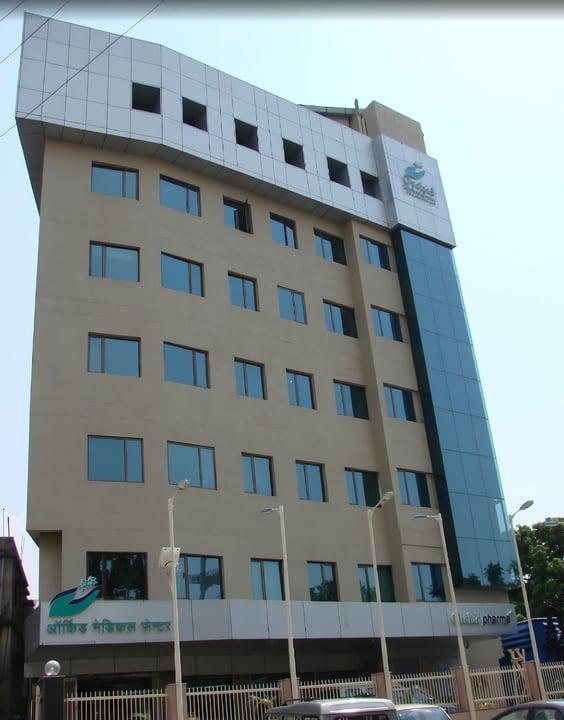
Most people wait too long before seeing a doctor. A headache that won’t go away. Fatigue stretches on for weeks. A cough that started small and turned into something harder to ignore. A general physician in Ranchi can handle far more than most people expect, and knowing that might change how long you wait before making an appointment. If you live in Ranchi and want a clear picture of what a physician actually treats, here it is.
What Does a General Physician Actually Do?
A general physician in Ranchi is your first point of contact with the medical system. They diagnose, manage, and treat a wide range of conditions. They also refer patients to specialists when a situation calls for it.
Think of them as the person who sees the full picture of your health, not just one part of it.
Fever and Infections
Fever is one of the most common reasons people visit a physician. Whether it comes from a viral illness, a bacterial infection, or something less obvious, a physician can identify the cause and prescribe the right treatment.
Common infections a physician manages include:
- Typhoid fever, still common across Jharkhand, including Ranchi
- Urinary tract infections (UTIs)
- Upper respiratory tract infections
- Skin infections and boils.
Left untreated, a simple infection can turn serious. That is not a scare tactic. It is just how infections work.
Diabetes
India has one of the highest rates of diabetes in the world. According to the Indian Council of Medical Research, approximately 101 million Indians were living with diabetes as of 2023.
A physician can screen you, confirm a diagnosis, and guide blood sugar management through medication and lifestyle changes. Patients who catch diabetes early tend to face fewer complications down the line.
Signs that warrant a physician visit:
- Frequent urination, especially at night
- Unusual thirst
- Blurred vision
- Unexplained weight loss
- Wounds that heal slowly
High Blood Pressure
Hypertension rarely causes obvious symptoms until damage is already done. The heart, kidneys, and brain are all at risk when blood pressure stays elevated for long periods.
A physician can measure your blood pressure, review your history, and either prescribe medication or suggest dietary changes. In many cases, both are needed.
If you have not had your blood pressure checked in the last year, that is worth thinking about.
Respiratory Conditions
Ranchi’s climate, combined with air quality concerns in parts of the city, makes respiratory issues fairly common. A physician regularly treats:
- Asthma, including initial diagnosis and ongoing management
- Chronic obstructive pulmonary disease (COPD)
- Acute bronchitis
- Allergic rhinitis
A physician will assess your breathing, order tests like spirometry or a chest X-ray if needed, and guide the right course of action.
Joint Pain and Musculoskeletal Complaints
Joint pain is easy to dismiss as a sign of aging. People often live with stiffness in their knees, hands, or lower back for months before thinking it warrants a doctor visit. A general physician can determine whether that pain comes from osteoarthritis, rheumatoid arthritis, gout, or an injury that did not heal properly.
Digestive Problems
Stomach pain, bloating, acidity, irregular bowel movements, these complaints sound minor, but they can point to conditions that need proper attention.
A physician can evaluate your symptoms and rule out:
- Gastroesophageal reflux disease (GERD)
- Irritable bowel syndrome (IBS)
- Gastritis
- Peptic ulcers
Persistent digestive issues sometimes indicate something beyond the gut. A physician looks at the broader picture before recommending treatment.
Thyroid Disorders
Thyroid problems are more common than most people realise, particularly in women. An underactive thyroid (hypothyroidism) causes fatigue, weight gain, and low mood. An overactive one (hyperthyroidism) does the opposite.
A simple blood test checks thyroid function. A physician in Ranchi can order that test, read the results, and manage treatment if something is off.
Anemia
Fatigue that does not go away despite adequate sleep is sometimes not about rest at all. Iron-deficiency anaemia is widespread in India and often goes undiagnosed for years.
The National Family Health Survey (NFHS-5) found that over 57% of women aged 15-49 in India are anaemic. A physician can confirm a diagnosis through a complete blood count (CBC) and recommend appropriate treatment.
Skin Conditions
Not every skin condition requires a dermatologist right away. A general physician routinely manages:
- Eczema and contact dermatitis
- Fungal infections
- Acne with medical complications
- Allergic skin reactions
They can prescribe topical treatments, antihistamines, or antifungal medications based on what you present with.
When Should You See a Physician?
You do not need to wait until things get bad. A physician visit makes sense when:
- A symptom persists beyond a week without improvement.
- You have a known condition and need routine monitoring.
- You are due for a general health check.
- Something feels off, and you cannot explain it.
Waiting and hoping symptoms disappear is perhaps the most common mistake people make. It is understandable, but it carries real risk.
A physician in Ranchi can assess your condition, give you a clear answer, and help you move forward with the right plan.
