
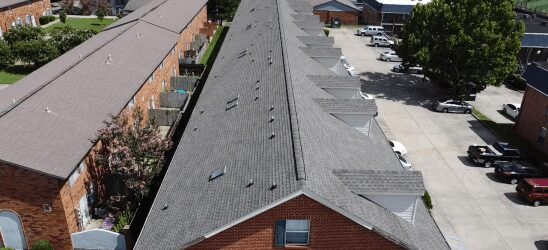
The storm passes by, the wind dies down, and the following day, some shingles can be found in the backyard. Sounds like an easy explanation. The wind was strong, the shingles came off, end of story.
But roofing professionals often discover that the situation is rarely that straightforward.
In many cases, the storm is not always the actual culprit. It is just an event that brings to light the vulnerabilities that have existed for many years now. The shingles missing are merely the icing on the cake, as the problems that have existed for years predate even the weather report of the storm.
That’s what makes roof damage interesting. Two houses might be standing side by side, exposed to the same storm, yet experience entirely different outcomes. One remains unharmed, while the other loses some of its shingles from the roof.
The difference usually comes down to the condition of the roof before the storm arrived.
A Roof Doesn’t Suddenly Get Weak
One of the main myths about roofs is that damage occurs suddenly and overnight.
Most of the time, that isn’t true.
Roofs age little by little. Materials wear down gradually. Small issues appear and remain unnoticed because they do not create immediate leaks or visible problems.
Then comes a heavy storm and everything becomes apparent.
The damage seems to be sudden, but the process leading to this problem started long ago.
Experienced Roofers Cullman AL know that signs of deterioration can be spotted while investigating roof damage caused by storms.
The Aging Process Matters More Than People Think
A roof spends every day exposed to the elements.
There are no breaks.
No weekends off.
No vacations.
Year after year, roofing materials deal with:
· Summer heat
· Heavy rain
· Humidity
· Wind
· Temperature fluctuations
· Sun exposure
Eventually, these conditions begin affecting performance.
What Happens As Shingles Age?
They Become Less Flexible
New shingles have some ability to bend and adapt. Older shingles become stiff and brittle.
Adhesive Bonds Weaken
The strips designed to hold shingles together lose strength over time.
Surface Protection Wears Away
The protective granules slowly disappear, leaving materials more vulnerable.
A roof may still look perfectly acceptable from the driveway while becoming increasingly vulnerable to storm damage.
Many trusted Roofing companies Cullman AL see aging materials as one of the most common factors behind shingle blow-offs.
Installation Quality Can Determine Storm Performance
This is something homeowners rarely get to see firsthand.
Most installation mistakes remain hidden beneath the surface.
The roof may look attractive from the street, but hidden flaws can still exist.
Common installation issues include:
Improper Nail Placement
Nails positioned incorrectly reduce wind resistance.
Insufficient Fasteners
Using fewer fasteners than recommended weakens attachment points.
Poor Alignment
Improperly aligned shingles may not perform as intended.
Rushed Workmanship
Shortcuts taken during installation often create future vulnerabilities.
The challenging part is that these problems may not become visible for years.
Then a major storm arrives and suddenly shingles begin lifting where weaknesses already existed.
Reliable Roofers near me often spend time evaluating installation quality after storm damage because it frequently contributes to roofing failures.
Wind Targets Certain Areas First
Wind does not hit every section of a roof equally.
Some areas naturally experience greater stress.
These locations often include:
Roof Edges
Wind can work its way underneath shingles more easily.
Corners
Air pressure tends to increase around corners.
Ridge Areas
The highest sections of a roof receive stronger exposure.
Areas Around Roof Penetrations
Vents and flashing create airflow changes that can increase stress.
Once damage starts in one location, surrounding shingles often become vulnerable as well.
What begins as a small issue can quickly spread during a severe storm.
Heat and Moisture Cause Hidden Damage
Damage caused by storms may sometimes be seen in the attic and not on the roof.
A poor ventilation will allow heat and moisture to build up slowly over time.
Most homeowners never see this happening.
The roof continues looking normal from the outside.
Meanwhile, conditions underneath may be causing gradual deterioration.
Poor ventilation can contribute to:
· Faster shingle aging
· Moisture-related damage
· Reduced adhesive performance
· Warped roof decking
By the time a storm arrives, the roofing system may already be weaker than expected.
This is the reason why inspections can sometimes reveal defects that have nothing to do with the storm itself.
Previous Storms Leave Behind Lasting Effects
Not every storm causes obvious damage. Sometimes a storm weakens a roof without creating visible signs.
A few shingles may lift slightly and settle back down. No leaks appear. Nothing falls into the yard. Everything seems fine.
Months later, another storm passes through. This time those weakened shingles finally detach.
The newer storm gets blamed, but the problem may have started much earlier.
Many experienced Roofers Cullman AL encounter situations where the visible damage is actually the result of multiple weather events rather than one single storm.
Trees And Debris Often Play A Bigger Role Than Wind
Wind gets most of the attention after severe weather, but flying debris can be equally damaging.
A branch does not have to break through a roof to cause problems.
Even minor impacts can:
· Loosen shingles
· Damage seal strips
· Create weak spots
· Increase future wind vulnerability
The effects may not be noticeable immediately.
Weeks or months later, those weakened areas become the first places where shingles fail.
That is why post-storm inspections are valuable even when damage appears minor.
What Commercial Roofing Teaches About Wind Damage
Professionals who work with Commercial roofing companies near me often gain extensive experience studying how roofs react to extreme weather.
Commercial buildings face unique challenges because large roof surfaces are constantly exposed to wind pressure.
These projects help contractors understand:
Wind Behavior
How airflow moves across roofing systems.
Attachment Strength
Why proper fastening methods matter.
Preventive Maintenance
How small repairs prevent major failures.
Those lessons often benefit residential roofing projects as well.
The Importance Of Acting Quickly
Once shingles blow off, the exposed section becomes vulnerable.
What starts as a small problem can quickly become something larger.
Potential consequences include:
· Water intrusion
· Wood damage
· Mold growth
· Interior repairs
· Additional shingle loss
Many homeowners seeking Roofing near me following a storm will find that immediate repairs are considerably cheaper than allowing further damage from future storms to occur.
Final Thoughts
The actual reason for shingles falling off isn’t usually just high winds. More often than not, the culprit can be a mixture of old materials, poor installation, ventilation problems, previous exposure to weather, and other factors that came about gradually.
Storms merely expose what was already there.
Firms such as B&A Roofing know that replacing missing shingles is only half the battle. One needs to discover why these shingles had to be replaced in the first place.
Working with experienced Roofing companies Cullman AL assists homeowners in tackling the root cause of problems, improving their roof system, and minimizing future storm damage risks.
