
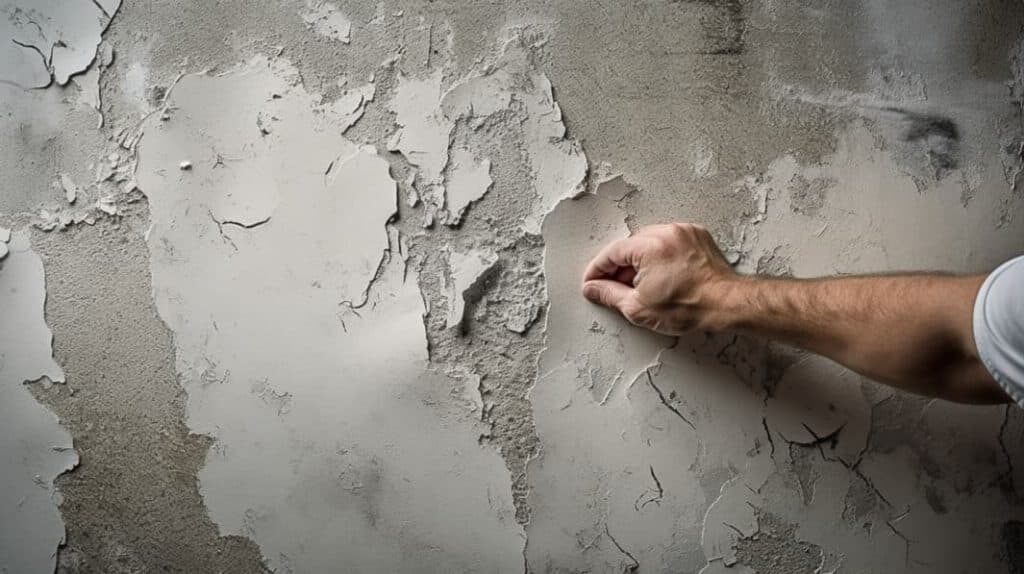
Drywall is designed to create smooth, durable interior walls, but it isn’t indestructible. Everyday wear and tear, accidental impacts, moisture, foundation movement, and even poor installation can leave behind visible damage that affects both the appearance and integrity of your home.
While a small dent or scratch may seem harmless, ignoring physical drywall damage can often lead to more expensive repairs down the road. Identifying problems early allows homeowners to address minor issues before they become major structural or cosmetic concerns.
Below are eight warning signs that indicate your drywall may need professional attention.
1. Cracks That Continue to Grow
Hairline cracks can develop as a home naturally settles. However, cracks that become wider, longer, or appear repeatedly after being repaired should never be ignored.
Pay close attention to:
- Diagonal cracks around doors and windows
- Stair-step cracks
- Long ceiling cracks
- Cracks that reopen after patching
These may indicate structural movement rather than normal settling.
2. Dents and Impact Damage
Drywall can easily become damaged by furniture, door handles, moving appliances, or accidental impacts.
Common examples include:
- Deep dents
- Holes from doorknobs
- Broken drywall corners
- Crushed wall sections
Although these issues may appear cosmetic, damaged drywall becomes weaker and can continue deteriorating over time.
3. Water Stains and Soft Areas
Water is one of drywall’s biggest enemies.
Look for:
- Yellow or brown stains
- Bubbling paint
- Peeling texture
- Soft spots when pressed
- Sagging drywall
These signs often indicate hidden plumbing leaks, roof leaks, or moisture intrusion. Addressing the water source should always come before repairing the drywall.
4. Nail Pops and Screw Pops
If you notice small circular bumps on your walls or ceilings, the fasteners holding the drywall may be pushing outward.
Nail pops typically occur because of:
- Seasonal expansion and contraction
- House settling
- Improper fastening
- Lumber movement
While individual nail pops are usually minor, numerous pops throughout the home may signal underlying movement.
5. Sagging or Bowing Drywall
Drywall should always remain flat and firmly attached to the framing.
Visible sagging may result from:
- Water damage
- Improper installation
- Loose fasteners
- Ceiling weight
- Structural movement
Ceiling drywall that begins sagging should be inspected promptly, as it can eventually separate from the framing.
6. Corner Bead Damage
Outside wall corners experience frequent contact from furniture, boxes, vacuum cleaners, and daily traffic.
Watch for:
- Chipped corners
- Bent metal corner beads
- Cracked joint compound
- Exposed metal edges
Damaged corners not only look unattractive but can also continue cracking if left unrepaired.
7. Peeling Joint Tape
Joint tape helps create seamless drywall joints. Over time, poor installation or moisture can cause the tape to separate.
Common symptoms include:
- Raised seams
- Visible tape lines
- Bubbling
- Cracking along drywall joints
Once tape begins peeling, simply painting over it rarely solves the problem.
8. Multiple Areas of Damage Throughout the Home
When drywall damage appears in several rooms simultaneously, it often points to a larger issue rather than isolated cosmetic damage.
Examples include:
- Cracks appearing in multiple rooms
- Repeated nail pops
- Ceiling and wall separation
- Doors and windows sticking
- New drywall damage after heavy rain
These symptoms may indicate foundation movement, framing issues, or moisture problems that should be professionally evaluated.
Why You Shouldn’t Ignore Drywall Damage
Many homeowners postpone drywall repairs because the damage appears minor. Unfortunately, even small problems can become more costly if left untreated.
Early repairs can help:
- Prevent moisture from spreading
- Stop cracks from growing
- Improve indoor appearance
- Maintain property value
- Reduce future repair costs
Timely maintenance also helps preserve the overall condition of your home’s interior.
DIY or Professional Repair?
Minor surface imperfections such as tiny nail holes or light scuffs are often manageable as DIY projects.
However, professional repairs are recommended for:
- Large holes
- Extensive cracks
- Water-damaged drywall
- Ceiling repairs
- Multiple damaged sections
- Structural-related damage
Professionals can also identify whether the drywall damage is simply cosmetic or a symptom of a larger problem.
If you’re looking for experienced professionals, Nation’s Drywall Repair offers comprehensive drywall repair services for everything from minor cosmetic fixes to extensive wall and ceiling restoration. Working with experienced specialists ensures repairs are completed correctly and blend seamlessly with your existing walls.
How to Prevent Future Drywall Damage
While some wear is unavoidable, homeowners can reduce future damage by following a few simple maintenance practices.
- Repair plumbing leaks promptly.
- Maintain proper indoor humidity levels.
- Install door stops to prevent impact damage.
- Avoid overloading walls with heavy objects.
- Inspect ceilings after severe storms.
- Address foundation or structural concerns early.
Routine inspections can often identify small issues before they become expensive repairs.
Frequently Asked Questions
Can drywall cracks indicate foundation problems?
Yes. Large diagonal cracks, widening cracks, or multiple cracks appearing throughout the home may indicate structural movement and should be evaluated by a professional.
Can water-damaged drywall be repaired?
If the drywall has only minor staining and remains structurally sound, repairs may be possible after fixing the moisture source. Severely damaged drywall usually needs replacement.
Are nail pops serious?
Individual nail pops are generally cosmetic. However, widespread nail pops throughout a home may indicate framing movement or settling.
How long does drywall repair take?
Small repairs can often be completed within a few hours, while larger repairs involving water damage or multiple rooms may require several days, depending on drying and finishing time.
Final Thoughts
Physical drywall damage is more than just a cosmetic issue. Cracks, dents, water damage, sagging ceilings, and loose joints often serve as early warning signs that something else may be happening behind your walls.
By identifying these issues early and making repairs promptly, homeowners can protect both their investment and their home’s structural integrity. Whether you’re dealing with a single damaged wall or widespread drywall issues, addressing the problem sooner rather than later is always the smarter and more cost-effective decision.
