
Introduction
For vegetation management professionals, downtime is the ultimate profit killer. When operating high-performance flail mowers on challenging terrains, the cutting elements face an ongoing battle against friction-induced wear and mechanical impact. Achieving the ideal balance between hardness (to resist wear) and ductility (to prevent breakage) requires meticulous heat treatment protocols during manufacturing. This article explores the metallurgical processes that separate premium agricultural cutting wear parts from low-grade, prone-to-failure alternatives.
The Heat Treatment Lifiecycle: Quenching and Tempering
To convert raw alloy steel into a component capable of enduring thousands of impacts per minute, the metal must undergo a precise thermal cycle:
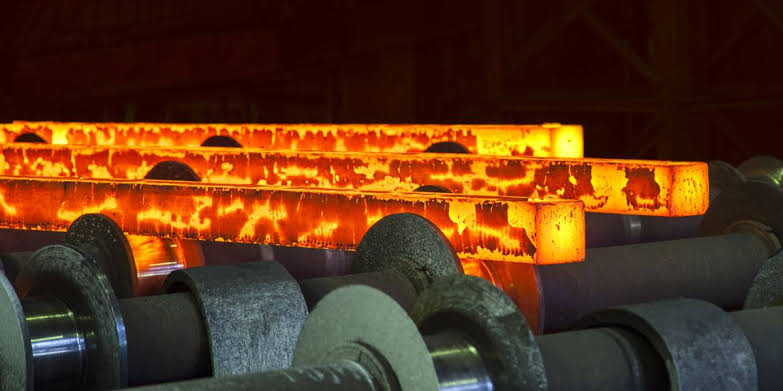
- Austenitizing: The steel is heated above its critical temperature (typically around 850°C to 900°C) to transform its internal crystal structure into austenite.
- Quenching: The components are rapidly cooled in oil or water. This rapid cooling traps carbon atoms within the iron lattice, transforming the structure into hard, brittle martensite.
- Tempering: Because as-quenched martensite is too brittle to survive stone strikes, the steel is reheated to a lower temperature (e.g., 200°C to 450°C) to restore toughness and ductility while retaining a high level of surface hardness.
Temp (°C)
^
900| /—-\ (Austenitizing) | / \
| / \
| / \
| / \ (Quenching in Oil)
250| | /—-\ (Tempering to restore toughness)
| | / \
+ > Time
Preventing Decarburization
A common flaw in cheap agricultural parts is surface decarburization. If steel is heated in an oxygen-rich atmosphere, carbon escapes from the outer layer of the metal. This leaves a soft, low-carbon iron skin on the blade that wears away rapidly during operation. Premium manufacturers use controlled-atmosphere or vacuum furnaces to prevent decarburization, ensuring that the finished hammer blades for flail mower maintain uniform Rockwell C hardness (HRC) from the core to the outermost cutting edge.
