
Owning an electric vehicle (EV) is becoming more popular because it is environmentally friendly, quiet, and cost-effective to drive. However, bringing an electric vehicle home requires a little planning. Preparing your home before your new vehicle arrives will help you enjoy convenient charging and safe daily use. From checking your electrical system to choosing the right charging option, a few simple steps can make a big difference. With proper preparation, you can keep your vehicle charged and ready whenever you need it.
Understand Your Home’s Electrical Capacity
The first step is to understand whether your home’s electrical system can support an electric vehicle charger. Most homes can handle basic charging, but some older properties may need electrical upgrades. A qualified electrician can inspect your electrical panel and determine if it has enough capacity for the additional load. This inspection helps prevent overloaded circuits and ensures your charging system operates safely.
Plan for EV Charger Installation
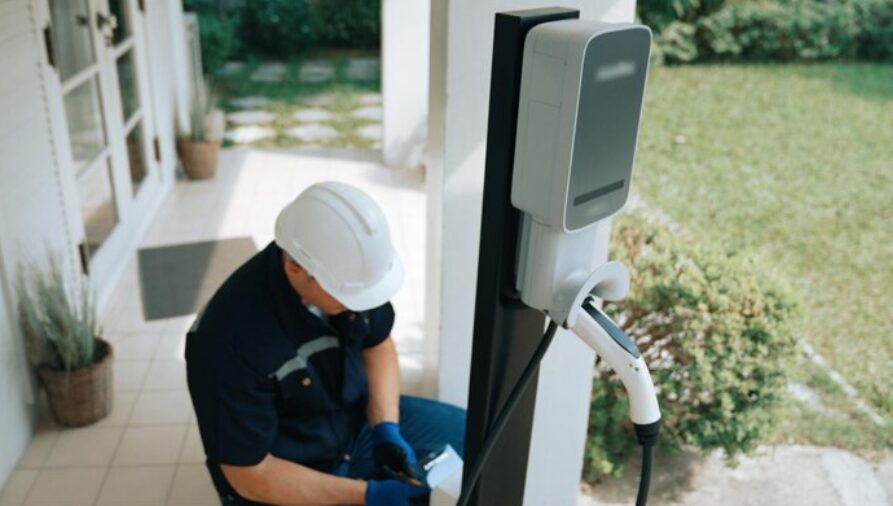
One of the most important parts of preparing your home is EV charger installation. A professionally installed Level 2 charger provides much faster charging than a standard household outlet. This allows you to recharge your vehicle overnight and have it ready for the next day.
Before installation, consider where you usually park your vehicle. The charger should be placed in a convenient location that allows easy access to the charging port. A professional installer can recommend the best location while making sure the installation follows local electrical codes and safety standards.
Choose the Right Charging Equipment
Not every charger is the same. Different electric vehicles have different charging needs, so selecting the right equipment is important. Look for a charger that is compatible with your vehicle and offers features that fit your lifestyle.
Many modern chargers include smart technology that allows you to schedule charging times, monitor electricity usage, and control charging through a mobile app. These features can help reduce energy costs by charging during off-peak hours when electricity rates are lower.
Make Your Garage or Parking Area Ready
A clean and organized parking space makes charging easier and safer. Remove unnecessary items that may block access to the charger or create safety hazards. Make sure there is enough lighting around the charging area, especially if you often charge your vehicle at night.
If your vehicle is parked outdoors, choose charging equipment that is designed to withstand different weather conditions. Proper protection from rain, dust, and extreme temperatures helps extend the life of your charging equipment.
Think About Future Needs
Even if you currently own one electric vehicle, it is smart to think ahead. Your family may purchase another EV in the future, or newer vehicles may require faster charging options. Planning for future upgrades during the initial setup can save both time and money later.
You should also ask your electrician about adding extra electrical capacity if you expect your household’s energy needs to grow over the coming years.
Conclusion
Preparing your home for an electric vehicle is a simple process when you plan ahead. Checking your electrical system, choosing the right charging equipment, organizing your parking area, and investing in professional EV charger installation all contribute to a safe and convenient charging experience. With the right preparation, your home will be ready to support your electric vehicle for many years, making daily travel easier, more efficient, and more environmentally friendly.
