
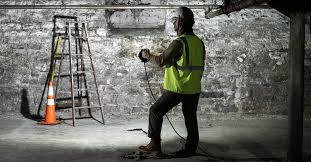
Hazardous work environments demand lighting that performs reliably under strict safety requirements. Facilities that handle combustible dust, flammable gases, or volatile chemicals depend on properly certified LED fixtures to reduce risks and maintain safe daily operations. Understanding the right safety standards helps decision-makers choose equipment that supports compliance and dependable performance.
Selecting a qualified hazardous location LED lighting supplier starts with reviewing the certifications and classifications behind every fixture, rather than appearance alone. Reliable documentation confirms that a fixture has been evaluated for specific hazardous environments and operating conditions. The sections below explain the most important safety standards every hazardous LED fixture should meet.
Verify Hazardous Area Certifications
Recognized certifications demonstrate that a fixture has been tested for use in hazardous locations under established safety requirements. These approvals help confirm that the lighting can operate safely in environments where ignition hazards may exist. Product documentation should clearly identify every applicable certification.
Look For UL844 Certification
UL844 certification is one of the most important requirements for hazardous location lighting. It confirms that the fixture has been evaluated for hazardous environments where flammable gases, vapors, or combustible dust may be present. This certification provides confidence that the fixture satisfies recognized industrial safety expectations.
Confirm Correct Area Classification
Hazardous fixtures should match the exact classified area where they will operate. Class, Division, or other applicable classifications determine the types of hazards the fixture is designed to withstand. Using the correct classification helps maintain safe operation throughout the facility.
Check Environmental Protection Ratings
Industrial environments expose lighting to moisture, dust, chemicals, vibration, and temperature changes. Safety standards should cover these conditions as carefully as hazardous classifications. Proper environmental protection supports consistent performance throughout the fixture’s service life.
- Verify IP or NEMA ratings that match the environmental conditions.
- Confirm the fixture supports the expected ambient operating temperature.
- Review corrosion resistance for demanding industrial locations.
- Check wet, damp, or marine certifications when required.
Review Electrical Safety Requirements
LED fixtures should comply with electrical safety standards that protect internal components and surrounding equipment. Certified power supplies, secure wiring methods, and properly designed electrical systems reduce the likelihood of failures during operation. Documentation should clearly identify the applicable electrical safety approvals.
Evaluate LED Safety Certification
Dedicated LED safety certifications verify that the lighting system meets established electrical and operational requirements. These evaluations examine critical components that influence safe and reliable performance. Proper certification also supports long-term consistency under demanding industrial conditions.
Confirm Emergency Lighting Compliance
Some hazardous facilities require emergency illumination during power interruptions. Fixtures designed for emergency applications should meet recognized emergency lighting standards and provide dependable operation when normal power becomes unavailable. This capability supports safer evacuation and operational continuity where required.
Confirm Fixture Construction Quality
Strong construction supports safety in challenging industrial environments where equipment experiences daily exposure to demanding conditions. Durable housings, protective seals, and secure mounting systems help preserve the fixture’s certified performance throughout its operating life. A trusted hazardous location LED lighting supplier should provide detailed specifications that verify these construction standards.
- Cast aluminum or similarly durable housing materials.
- High-quality sealing systems that preserve environmental protection.
- Secure mounting and wiring entry options.
- Clearly documented operating temperature limits and T-codes.
Choose Certified Hazardous LED Lighting Solutions
Certified hazardous LED lighting solutions should match the classified environment, operating conditions, and applicable safety requirements of each facility. Professional guidance helps verify certifications, confirm proper fixture selection, and support long-term compliance with industry standards. Careful evaluation also reduces installation issues and helps maintain reliable lighting performance throughout the fixture’s service life.
Hazardous LED fixtures should satisfy more than basic lighting requirements because every certification directly supports workplace safety. Verified hazardous classifications, environmental protection ratings, electrical compliance, and durable construction all contribute to dependable operation in demanding industrial settings. Careful evaluation of these safety standards helps ensure each fixture is appropriate for the environment where it will operate.
