
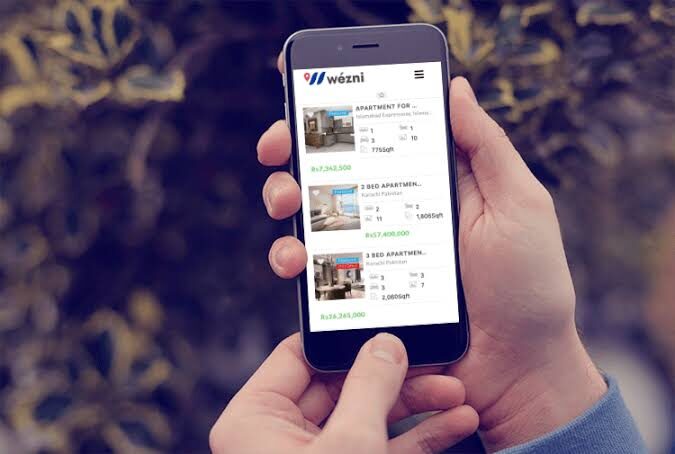
Every enquiry represents a potential property sale, but without the right tools, managing dozens of leads across calls, emails, website forms and social media can quickly become overwhelming. For real estate agents, success depends not only on finding prospects but also on responding promptly, tracking interactions and nurturing relationships until a deal is closed.
This is where mobile applications have become an essential business tool. Rather than juggling multiple spreadsheets, notebooks or disconnected systems, agents can manage their entire sales pipeline from a single mobile platform. From capturing enquiries to scheduling inspections and following up with buyers, a well-designed app streamlines daily operations and helps ensure that no opportunity is overlooked.
As the property market becomes increasingly competitive, agencies that embrace mobile technology are better positioned to deliver faster, more personalised service while improving productivity.
Bringing Every Lead into One Place
Property enquiries can originate from multiple sources, including agency websites, property listing platforms, social media campaigns, referrals and open-home inspections. Managing these enquiries manually often leads to duplicated information, delayed responses and missed follow-ups.
A mobile application centralises every lead into one dashboard, allowing agents to view new enquiries in real time. Contact details, preferred locations, budget ranges, inspection history and previous conversations are stored in a single location, making it easier to understand each client’s requirements before the next interaction.
Having complete visibility into every prospect enables agents to provide more relevant recommendations and respond with greater confidence.
Faster Responses Create Better Opportunities
In real estate, timing can significantly influence outcomes. Buyers and tenants often contact multiple agencies simultaneously, and the first professional response frequently shapes their decision about whom to work with.
Mobile applications send instant notifications whenever a new enquiry is received, allowing agents to respond quickly even while attending inspections or meeting clients. Automated acknowledgements can reassure prospects that their enquiry has been received, while reminders help agents maintain consistent communication throughout the buying journey.
Reducing response times demonstrates professionalism and increases the likelihood of converting enquiries into appointments.
Organising the Sales Pipeline More Effectively
Managing leads involves much more than collecting contact information. Every prospect progresses through different stages, from an initial enquiry to inspections, negotiations and settlement.
Mobile applications allow agents to organise prospects based on their current status, making it easier to prioritise activities throughout the day.
Typical lead stages may include:
- New enquiry
- Contact established
- Property inspection booked
- Offer submitted
- Negotiation in progress
- Sale completed
- Follow-up required
This structured workflow gives agencies better oversight of their sales process while helping individual agents stay organised without relying on manual tracking methods.
Smarter Scheduling for Property Inspections
Coordinating inspections involves balancing agent availability, client schedules and property access. Without an efficient scheduling system, appointments can easily overlap or require unnecessary back-and-forth communication.
Mobile apps simplify appointment management by allowing agents to schedule inspections, send confirmations, issue reminders and update clients instantly if plans change.
Some solutions also integrate navigation features, enabling agents to optimise travel between appointments and spend more time with clients instead of managing logistics.
The result is a smoother experience for both agents and prospective buyers.
Access to Information Wherever Business Happens
Real estate professionals rarely spend their entire day at a desk. Client meetings, inspections, auctions and property evaluations require constant movement.
Having access to business information from a mobile device allows agents to retrieve property details, update client notes, upload photographs and review appointment histories regardless of their location.
Instead of waiting to return to the office, important information can be recorded immediately while conversations are still fresh. This improves data accuracy and ensures that every team member has access to the latest updates.
For agencies investing in Mobile application development Sydney, this level of accessibility has become a key requirement for supporting field-based teams and delivering responsive customer service.
Building Stronger Relationships Through Personalised Communication
Property decisions often involve significant financial and emotional considerations. Buyers appreciate communication that reflects their individual needs rather than generic sales messages.
Mobile applications enable agents to maintain detailed customer profiles, including preferred suburbs, property types, price ranges and previous interactions. This information helps agents recommend suitable listings and tailor follow-up conversations more effectively.
Automated reminders also ensure important milestones are never forgotten, whether it is following up after an inspection, checking in before finance approval or notifying buyers about newly listed properties that match their preferences.
Consistent, personalised communication helps build trust and strengthens long-term client relationships.
Seamless Integration with Business Systems
Modern agencies rely on multiple digital platforms to manage listings, marketing campaigns, accounting, customer records and reporting.
A mobile application becomes even more valuable when integrated with existing business systems such as CRM platforms, property management software, email marketing tools and online listing portals.
Instead of entering the same information into multiple systems, updates flow automatically across connected platforms. This reduces administrative work while improving data accuracy throughout the organisation.
Integrated technology also provides management teams with a clearer understanding of lead sources, campaign performance and agent productivity.
Real-Time Insights Support Better Decisions
Data plays an increasingly important role in real estate operations. Understanding where enquiries originate, how quickly agents respond and which marketing channels generate qualified prospects helps agencies allocate resources more effectively.
Mobile applications provide dashboards that track key performance indicators such as:
- Number of new enquiries
- Lead conversion rates
- Response times
- Inspection bookings
- Sales performance
- Agent activity
- Marketing campaign results
With access to real-time reporting, agency leaders can identify opportunities for improvement and make informed business decisions based on accurate information rather than assumptions.
Security Matters When Managing Client Information
Real estate transactions involve sensitive personal and financial information. Client records, identification documents and property details must be protected against unauthorised access.
Professionally developed mobile applications incorporate security features such as encrypted data transmission, secure user authentication, role-based permissions and regular system updates to safeguard confidential information.
These protections not only reduce cybersecurity risks but also help agencies maintain client confidence and comply with data privacy requirements.
Supporting Long-Term Business Growth
As agencies expand, manually managing increasing numbers of enquiries becomes progressively more challenging. Mobile applications provide the flexibility needed to support larger teams, growing client databases and additional office locations without significantly increasing administrative overhead.
Many businesses also choose tailored real estate app development services to create features that reflect their unique workflows, branding and customer experience goals. Whether integrating virtual property tours, digital document signing, automated notifications or AI-powered property recommendations, customised solutions provide greater flexibility than generic software.
A scalable application evolves alongside the business, supporting future growth without requiring major operational changes.
The Future of Real Estate Is Mobile
Today’s property market demands speed, responsiveness and exceptional customer service. Buyers expect immediate answers, personalised recommendations and convenient communication throughout their property journey.
Mobile applications empower real estate agents to meet these expectations by simplifying lead management, improving collaboration and reducing the administrative burden associated with day-to-day operations.
Rather than replacing personal relationships, mobile technology strengthens them by giving agents more time to focus on meaningful client interactions instead of repetitive manual tasks.
As digital innovation continues to reshape the real estate industry, agencies that invest in well-designed mobile solutions will be better equipped to manage leads efficiently, improve conversion rates and deliver outstanding experiences that drive long-term business success.
