
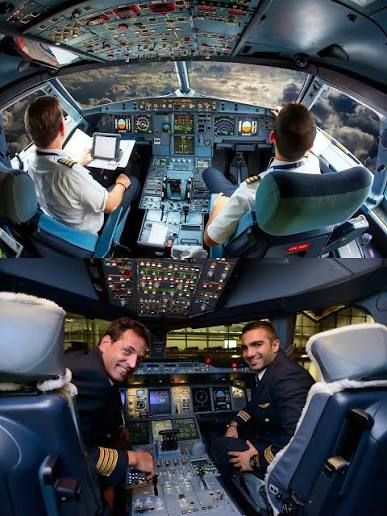
Flying professionally is hard. It’s also one of the most genuinely fulfilling careers you can build — if you go in with clear eyes. Most people who dream about the cockpit never grasp what getting there actually demands. The hours. The money. The certifications stacked on certifications. Commercial routes, cargo runs, private charters — the training gauntlet is roughly the same across all of them. Sign nothing, spend nothing, until you’ve worked through these seven realities first.
Understanding the Educational Requirements
This is not a weekend course. Depending on your program and the aircraft category you’re chasing, you’ll log somewhere between 250 and 1,500 flight hours before reaching commercial status. First comes the private pilot certificate — typically three to six months if you push through an accelerated program. That phase covers basic flight principles, aircraft systems, navigation, weather reading, and what to do when things go sideways. The certificate, though? Not the finish line. Not even close. Pilots keep training — regulations shift, safety procedures get revised, and staying sharp is non-negotiable for as long as they fly.
Physical and Medical Qualifications Matter
Every aspiring pilot eventually sits in front of an aviation medical examiner. No exceptions. The FAA runs tiered health standards; first-class certification is the threshold for anyone pursuing commercial work. Vision checks, hearing tests, a cardiovascular workup, a full medical history review — all of it gets scrutinized. Certain heart conditions, uncontrolled diabetes, serious vision impairment — any of these can end the conversation before training even begins. See an examiner early. Before sinking thousands into coursework. Potential disqualifiers surface cheaper when you still have options.
Financial Investment Is Substantial
Let’s be blunt: this is expensive. Training costs typically land between $50,000 and $150,000 — sometimes higher — depending on whether you attend a structured academy or work independently with a certified instructor. And that’s just the beginning. Recurrent training, medical renewals, aircraft rental fees — they keep stacking up long after initial certification. Many pilots fund the path through loans, scholarships, or part-time work running alongside training. Knowing the full financial picture upfront isn’t discouraging. It’s just smart planning.
The Licensing Path Requires Multiple Certifications
No single license unlocks everything. You start with the private pilot certificate — fine for personal flying, useless for getting paid. Then comes the commercial pilot license, which lets you accept compensation for flight services. After that, pilots eyeing a captain’s seat on an airline need the airline transport pilot certificate. On top of all that, instrument ratings and type ratings for specific aircraft make you more hireable and push earning potential higher. Every stage means written exams, oral tests, and practical check rides with FAA examiners. It’s a gauntlet — but a structured one.
Career Opportunities Extend Beyond Airlines
Major airlines grab all the attention. They’re only one slice of the market, though. Regional carriers, cargo operations, charter outfits, corporate flight departments — all of them hire qualified pilots, often with radically different schedules and lifestyles attached. Agricultural aviation, helicopter work, flight instruction, aerial photography — those paths exist too. Government agencies, emergency services, military organizations — they round out the picture further. Knowing the full landscape lets you tailor training toward the flying life you actually want. Not just the most obvious option.
Continuous Learning Defines Professional Pilots
Your commercial certificate is a starting point. Not an endpoint. Aviation keeps moving — new technology, updated regulations, revised safety procedures. Pilots who stay sharp show up consistently for recurrent training programs and aviation safety seminars. That commitment runs into the technical weeds, too; during preflight inspections, for instance, pilots cross-reference aircraft hydraulic fluid specifications to confirm hydraulic system integrity and verify that fluid grades meet airworthiness standards. Additional ratings and endorsements keep pilots competitive across a career spanning decades. The learning doesn’t slow down — it compounds.
Building Mental and Decision-Making Skills
Technical ability only carries you so far. Aviation punishes poor judgment fast. Crew resource management training teaches pilots to communicate under pressure, delegate effectively, and handle workload during emergencies without unraveling. Situational awareness — knowing exactly where you are, what’s happening around you, what’s likely next — gets built through simulator hours and real-world experience together. Bad decisions cause incidents. Full stop. Flight programs address this directly through aeronautical decision-making frameworks and structured risk assessment. Build these cognitive habits early. They’ll carry you through every aircraft type and every environment you encounter.
Conclusion
The path to professional flying isn’t short, cheap, or simple. Medical exams, stacked certifications, substantial costs, years of continuous learning — that’s the reality. But for people genuinely wired for it, few careers come close to matching what aviation offers. Work through these seven factors before training begins. Not just to decide whether this is right for you — but to pursue it strategically when it is. The wings take real work to earn. What comes after is worth it.
