
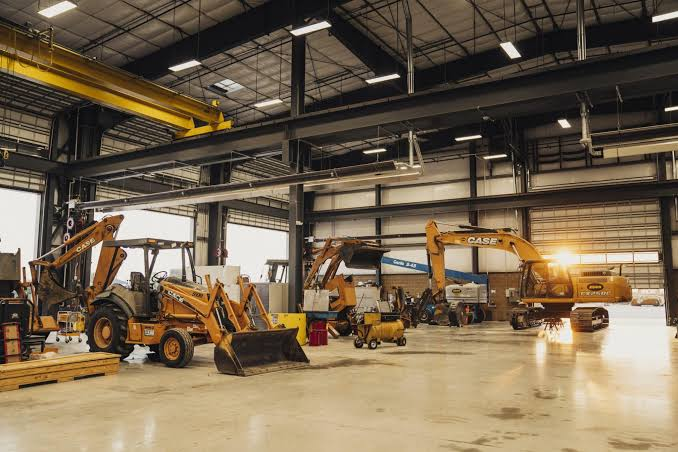
Construction companies depend on their equipment every day to keep projects moving forward. Excavators, bulldozers, loaders, graders, cranes, and other heavy machines are major investments, and their performance directly affects productivity, safety, and profitability. When even one machine experiences unexpected downtime, schedules can be disrupted, labor costs can rise, and deadlines may become difficult to meet.
For these reasons, construction equipment repair should never be viewed as a last resort after a breakdown occurs. Instead, it should be part of a broader strategy focused on maximizing fleet efficiency. By combining timely repairs, preventive maintenance, and proactive planning, businesses can extend equipment life while reducing costly interruptions.
Prioritize Preventive Inspections
Efficient fleets begin with regular inspections. Small issues such as loose bolts, worn hoses, damaged seals, or fluid leaks can quickly develop into expensive mechanical failures if left unresolved.
Technicians can spot such issues before they have an impact on equipment operation by conducting routine inspections. Checking hydraulic systems, electrical connections, undercarriages, cooling systems, and engine components on a consistent schedule helps reduce unexpected downtime and keeps equipment operating at its best.
Preventive inspections also create maintenance records that make it easier to predict future repair needs.
Address Minor Repairs Immediately
Many equipment failures start as relatively minor problems. A small hydraulic leak, unusual vibration, or warning indicator may seem insignificant during a busy project, but delaying repairs often results in much larger failures later.
Repairing components as soon as signs of wear appear prevents additional stress on surrounding systems. Working with a reliable Hydraulic Hose Distributor ensures replacement hoses are on hand quickly, minimizing the delay between spotting a leak and getting the machine back in service.
For example, replacing a damaged bearing early may prevent damage to shafts, gears, and other expensive drivetrain components.
Prompt repairs reduce overall repair costs while minimizing the time equipment spends out of service.
Develop A Structured Repair Schedule
Waiting until equipment breaks down before scheduling repairs creates unnecessary disruptions. Instead, fleet managers should establish structured repair schedules based on operating hours, manufacturer recommendations, and equipment usage.
Machines working in demanding environments may require more frequent servicing than those operating under lighter conditions. Scheduling repairs during planned project downtime allows maintenance teams to complete necessary work without affecting construction timelines.
A structured schedule also helps distribute maintenance workloads more efficiently throughout the year.
Use Accurate Diagnostics
Modern construction equipment contains advanced electronic systems that monitor engine performance, hydraulics, emissions, and various machine functions.
Professional diagnostic tools allow technicians to identify faults accurately rather than relying solely on visual inspections or guesswork. Accurate diagnostics reduce unnecessary part replacements, shorten repair times, and help restore equipment more efficiently.
Using diagnostic technology also improves long-term maintenance planning by identifying recurring issues before they become major failures.
Invest In Quality Replacement Parts
Repair quality depends heavily on the components being installed. Low-quality or incompatible replacement parts may reduce repair costs initially, but they often wear out faster and increase the likelihood of future breakdowns.
Using reliable replacement parts designed for specific equipment models helps maintain performance, durability, and operational reliability.
Quality components also contribute to longer service intervals and improved machine efficiency throughout the equipment’s working life.
Train Operators To Detect Early Warning Signs
Equipment operators spend more time with machines than anyone else. Their daily observations provide valuable information that maintenance teams can use to identify developing problems.
Operators should be encouraged to report unusual engine sounds, hydraulic performance changes, excessive smoke, warning lights, steering issues, or abnormal vibrations immediately.
Early reporting allows repair teams to investigate problems before they become severe, helping reduce downtime and expensive emergency repairs.
Maintain Detailed Fleet Records
Comprehensive maintenance records support smarter repair decisions. Recording inspections, repairs, replacement parts, operating hours, and recurring issues helps managers evaluate equipment performance over time.
Historical records make it easier to identify machines that require frequent repairs, allowing businesses to determine whether continued maintenance or equipment replacement offers better long-term value.
Well-organized records also simplify warranty claims and regulatory documentation where applicable.
Coordinate Repairs With Project Planning
Construction schedules often involve multiple machines working together. Coordinating repairs with project timelines reduces operational disruptions.
When possible, equipment requiring maintenance should be serviced during periods of lower demand or while backup equipment is available. Planning repairs strategically helps maintain productivity without delaying critical construction activities.
Effective communication between project managers, operators, and maintenance teams ensures repairs are completed at the most appropriate time.
Build Long-Term Relationships With Repair Professionals
Working with experienced repair specialists provides benefits beyond fixing equipment after failures occur. Trusted service providers become familiar with individual fleets, maintenance histories, and operating conditions.
This familiarity allows technicians to recommend preventive measures, identify recurring issues, and provide faster repair solutions when unexpected problems arise.
Long-term service relationships also contribute to more consistent maintenance standards across an entire fleet.
Conclusion
Fleet efficiency depends on far more than purchasing reliable construction equipment. Consistent inspections, timely repairs, accurate diagnostics, quality replacement parts, operator involvement, and strategic maintenance planning all contribute to keeping heavy machinery operating at peak performance.
Construction equipment repair strategies that focus on prevention rather than reaction help reduce downtime, extend equipment lifespan, improve workplace safety, and lower overall operating costs. Companies that invest in proactive repair management position themselves for greater productivity, stronger project performance, and long-term business success.
