
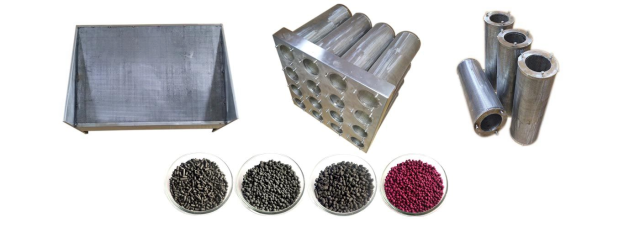
Clean air is essential for maintaining safe, efficient, and productive industrial environments. Many industries generate airborne gases, odors, and chemical contaminants that require specialized filtration beyond conventional particle filters. Granular media filtration provides an effective solution by removing gaseous pollutants through advanced adsorption technology. These systems improve indoor air quality, support environmental compliance, and enhance the overall performance of industrial HVAC systems. Understanding how granular media filtration works helps organizations choose reliable air purification solutions that deliver long-term operational benefits.
What Is Granular Media Filtration?
Granular media filtration is an advanced air purification technology designed to remove gaseous contaminants, odors, and volatile organic compounds from industrial air streams. Unlike mechanical filters that capture solid particles, granular media filtration relies on specialized adsorption materials to trap harmful gases as air passes through the filtration system. This process improves indoor air quality while supporting cleaner and safer industrial operations. The technology is widely used in facilities where airborne chemical pollutants must be controlled efficiently. Its ability to deliver consistent purification makes it an important component of modern air treatment systems.
Understanding Granular Media Technology
Granular media technology uses carefully engineered filtration media with a high adsorption capacity to capture contaminants from the air. As polluted air moves through the media bed, harmful gases attach to the surface of the filtration material and are removed from the airflow. This process allows clean air to continue through the ventilation system while contaminants remain trapped inside the media. Different media types are available to target specific pollutants depending on the application. Selecting the appropriate media ensures effective and reliable air purification.
How Granular Media Filtration Works
The filtration process begins when contaminated air enters the filtration unit and passes through specially designed granular media cassettes. The adsorption media captures gaseous pollutants without significantly restricting airflow. Once the contaminants are retained within the media, purified air exits the system and is either recirculated or safely exhausted. The process operates continuously, allowing facilities to maintain stable indoor air quality during normal operations. Proper media selection and routine maintenance help preserve filtration efficiency over the long term.
Types of Contaminants Removed by Granular Media Filtration
Granular media filtration is designed to remove a broad range of gaseous pollutants that cannot be effectively captured by standard particulate filters.
Common contaminants include:
● Volatile organic compounds (VOCs)
● Chemical vapors
● Acid gases
● Sulfur compounds
● Ammonia
● Odors
● Industrial process emissions
● Corrosive airborne gases
By removing these contaminants, granular media filtration supports cleaner industrial environments and improves overall HVAC performance.
Why Granular Media Filtration Is Important
Industrial facilities often generate airborne contaminants that can affect equipment, indoor air quality, and operational efficiency. Granular media filtration provides targeted removal of harmful gases while supporting healthier and more stable indoor environments. Unlike conventional filtration methods, adsorption technology effectively addresses gaseous pollutants that would otherwise remain in circulation. This makes the technology particularly valuable for industries requiring advanced chemical air treatment. Investing in a reliable filtration solution contributes to long-term operational performance and environmental responsibility.
Key Benefits
● Improves indoor air quality.
● Removes harmful gases and odors.
● Supports workplace safety.
● Protects HVAC equipment.
● Reduces airborne chemical contaminants.
● Helps meet environmental requirements.
● Improves operational efficiency.
● Supports sustainable industrial operations.
Improving Indoor Air Quality
Indoor air quality plays a major role in maintaining efficient industrial operations. Granular media filtration continuously removes gaseous contaminants that can accumulate within enclosed facilities. Cleaner air contributes to improved ventilation performance while reducing the concentration of unwanted airborne chemicals. Effective filtration also supports HVAC efficiency by preventing contaminant buildup throughout the air distribution system. Maintaining cleaner indoor environments helps facilities achieve reliable long-term operation.
Controlling Chemical Vapors and Odors
Many industrial processes release odors and chemical vapors that require specialized treatment. Granular media filtration captures these contaminants before they circulate throughout the facility. Effective odor and vapor control contributes to improved environmental conditions while supporting efficient ventilation performance. Advanced adsorption media provide reliable removal of targeted gases under varying operating conditions. Consistent filtration helps maintain cleaner air across different industrial applications.
Supporting Workplace Safety
Air quality management contributes to creating safer industrial environments. By continuously removing airborne chemical contaminants, granular media filtration helps maintain cleaner breathing conditions throughout production and processing areas. Stable indoor air quality also supports consistent HVAC performance while reducing unnecessary pollutant accumulation. Reliable air treatment technologies improve overall environmental management within industrial facilities. Cleaner air supports long-term operational efficiency and workplace safety.
Enhancing Environmental Compliance
Environmental regulations increasingly require industries to control airborne emissions and maintain responsible air quality practices. Granular media filtration helps organizations reduce gaseous pollutants before they are released into the environment. Efficient filtration systems support compliance while contributing to sustainable industrial operations. Advanced adsorption technology also demonstrates a commitment to responsible environmental management. These advantages make granular media filtration an important part of modern industrial air treatment strategies.
Key Components of Granular Media Filtration Systems
The effectiveness of a granular media filtration system depends on the quality of its components and overall engineering design. Each component plays a specific role in capturing contaminants while maintaining efficient airflow through the HVAC system. Modern filtration systems combine advanced adsorption media with optimized airflow management to deliver reliable purification performance. Durable construction and intelligent system design further contribute to long-term operational efficiency. Understanding these components helps organizations select the most appropriate filtration solution for their applications.
Many industrial HVAC systems also integrate technologies such as high temperature wheels to recover thermal energy from high-temperature exhaust streams. Combining heat recovery with advanced air purification improves both energy efficiency and environmental performance across industrial facilities.
Granular Media Cassettes
Granular media cassettes form the core of the filtration system by housing the adsorption media responsible for contaminant removal. These cassettes are engineered to maximize contact between polluted air and the filtration media while maintaining consistent airflow. Durable construction ensures reliable performance under demanding industrial operating conditions. Modular cassette designs also simplify inspection, replacement, and routine maintenance. High-quality cassettes contribute significantly to the overall efficiency and lifespan of the filtration system.
Adsorption Media
Adsorption media determine the effectiveness of granular media filtration by capturing targeted gaseous contaminants. Different media formulations are available to remove specific pollutants, allowing systems to be customized for various industrial applications. Advanced media provide high adsorption capacity while maintaining stable performance over extended operating periods. Proper media selection ensures reliable purification efficiency and long service life. Continuous technological improvements continue to enhance the performance of modern adsorption materials.
Continued: Key Components of Granular Media Filtration Systems
Airflow Distribution System
An efficient airflow distribution system ensures that contaminated air passes evenly through the granular media for maximum adsorption efficiency. Balanced airflow prevents channeling, allowing the filtration media to utilize its full surface area during operation. Proper air distribution also minimizes pressure losses while maintaining consistent purification performance. Well-designed airflow management improves the effectiveness of the entire filtration system and supports long-term operational reliability. Consistent airflow is essential for achieving dependable contaminant removal across industrial applications.
Monitoring and Maintenance Features
Modern granular media filtration systems include monitoring features that help maintain consistent filtration performance. Pressure indicators, airflow monitoring devices, and maintenance access points allow operators to evaluate system performance and schedule timely servicing. Regular monitoring helps identify media replacement requirements before filtration efficiency decreases. Easy maintenance access also minimizes downtime and simplifies routine inspections. These features contribute to reliable long-term operation and improved system performance.
Energy-Efficient Design
Energy efficiency is an important consideration for industrial air treatment systems. Modern granular media filtration units are designed to maintain high contaminant removal efficiency while minimizing airflow resistance. Reduced pressure drop allows ventilation systems to operate with lower energy consumption, improving overall HVAC efficiency. Optimized engineering also contributes to lower operating costs and longer equipment life. Energy-efficient filtration supports both sustainable operations and long-term financial savings.
Types of Granular Media Used in Air Filtration
Different industrial applications require different adsorption materials depending on the contaminants present. Granular media filtration systems can be customized using various media types that target specific gases, odors, and chemical compounds. Selecting the correct media improves purification efficiency while maximizing equipment performance. Understanding the available media options helps organizations choose the most effective filtration solution for their operational requirements.
Activated Carbon
Activated carbon is one of the most widely used filtration media because of its exceptional adsorption capacity. Its highly porous structure provides a large surface area capable of capturing volatile organic compounds, odors, and numerous chemical vapors. Activated carbon performs efficiently across a broad range of industrial air purification applications. Proper media replacement ensures consistent contaminant removal throughout the system’s service life. Its versatility makes activated carbon a preferred choice for many industrial facilities.
Impregnated Carbon Media
Impregnated carbon media are enhanced with specialized chemical compounds that improve their ability to capture targeted gaseous contaminants. These modified media are particularly effective for applications involving acidic gases, ammonia, and other challenging pollutants. The additional chemical treatment expands the range of contaminants that can be removed while maintaining reliable adsorption performance. This flexibility allows facilities to address complex air quality challenges more effectively. Impregnated media provide an advanced solution for specialized industrial environments.
Specialized Chemical Adsorbents
Certain industrial processes generate contaminants that require highly specialized filtration materials. Chemical adsorbents are engineered to target specific gases that may not be effectively removed by conventional activated carbon. These advanced media improve purification efficiency while supporting compliance with strict environmental standards. Selecting the appropriate adsorbent ensures reliable long-term contaminant control. Specialized media also enhance the adaptability of granular media filtration systems across diverse industries.
Multi-Layer Filtration Media
Multi-layer filtration systems combine different adsorption materials within a single filtration unit. Each layer targets a specific group of contaminants, allowing the system to remove a wider range of airborne pollutants simultaneously. This integrated approach improves purification efficiency while extending media life by distributing contaminant loads across multiple layers. Multi-layer configurations also provide greater flexibility for changing industrial conditions. These systems deliver comprehensive air treatment for complex applications.
Customized Media Combinations
Every industrial facility has unique air quality requirements, making customized media combinations an effective solution. Manufacturers can tailor media configurations based on contaminant types, airflow conditions, and operational objectives. Customized filtration improves contaminant removal while optimizing overall system efficiency. Flexible media selection also allows future modifications if air quality requirements change. This adaptability provides long-term value for industrial operations.
Applications of Granular Media Filtration Across Industries
Granular media filtration supports a wide variety of industries where gaseous contaminant control is essential. Its ability to remove odors, volatile organic compounds, and chemical vapors makes it suitable for numerous industrial and commercial environments. Reliable air purification improves indoor air quality while supporting efficient HVAC performance and environmental responsibility. As industrial air quality requirements continue to evolve, granular media filtration remains an important technology for advanced air treatment.
Many industrial facilities also integrate an evaporative cooling pad into their HVAC systems to improve cooling efficiency while maintaining better indoor environmental conditions. Combining evaporative cooling with advanced air filtration creates a more efficient and sustainable air treatment solution.
Pharmaceutical Manufacturing
Pharmaceutical facilities require controlled indoor environments with reliable air purification. Granular media filtration removes airborne chemical contaminants and odors that may affect production areas. Consistent air treatment also supports efficient HVAC performance and stable environmental conditions. Advanced adsorption media help maintain cleaner indoor air throughout manufacturing operations. These systems contribute to dependable long-term facility performance.
Chemical Processing Plants
Chemical processing operations often generate complex airborne gases that require specialized treatment. Granular media filtration captures these contaminants efficiently before they spread throughout the facility. Reliable purification improves workplace conditions while supporting environmental compliance. Advanced filtration technologies also help maintain cleaner ventilation systems and more stable HVAC performance. These advantages make granular media filtration highly suitable for chemical processing facilities.
Food and Beverage Industry
Food and beverage production facilities benefit from cleaner indoor environments that support efficient processing operations. Granular media filtration removes odors and airborne chemical contaminants that may affect production areas. Effective air treatment contributes to improved ventilation performance and cleaner working conditions. Reliable filtration also supports long-term HVAC efficiency by reducing contaminant buildup. These systems provide valuable support for modern food processing facilities.
Wastewater Treatment Facilities
Wastewater treatment operations commonly generate odors and chemical gases that require continuous air purification. Granular media filtration effectively captures these contaminants while maintaining consistent airflow throughout treatment areas. Cleaner air contributes to improved environmental management and operational efficiency. Advanced adsorption media provide dependable odor control across varying operating conditions. Reliable filtration supports long-term facility performance.
Commercial Buildings
Large commercial buildings can benefit from granular media filtration when indoor air quality and odor control are priorities. Advanced filtration systems improve ventilation by removing airborne chemical contaminants before they circulate throughout occupied spaces. Cleaner indoor environments contribute to improved HVAC efficiency and greater occupant comfort. Consistent air purification also reduces the accumulation of unwanted odors within ventilation systems. These advantages support better long-term building performance.
Industrial Manufacturing
Industrial manufacturing facilities often require advanced air treatment to manage chemical vapors, odors, and process-generated gases. Granular media filtration provides reliable contaminant removal while supporting efficient HVAC operation. Cleaner air improves overall environmental conditions and contributes to stable production environments. Continuous purification also helps reduce maintenance requirements for ventilation equipment. These systems deliver dependable performance across a broad range of manufacturing applications.
Continued: Benefits of Granular Media Filtration Systems
Granular media filtration systems provide significant advantages for industrial facilities that require effective control of gaseous contaminants and odors. These systems improve indoor air quality while supporting efficient HVAC operation and reducing the impact of airborne chemical pollutants. Advanced adsorption technology delivers reliable purification without compromising airflow, making it suitable for continuous industrial use. By combining high-performance filtration media with optimized system design, organizations can achieve cleaner air and improved operational efficiency. These long-term benefits make granular media filtration a valuable investment for modern industrial environments.
Effective Gas and Odor Removal
One of the primary advantages of granular media filtration is its ability to remove gases and odors that conventional particle filters cannot capture. Specialized adsorption media trap volatile organic compounds, chemical vapors, and odor-causing molecules before they circulate throughout the facility. Continuous contaminant removal improves overall air quality and creates a cleaner working environment. Reliable odor control also enhances the performance of industrial ventilation systems. Effective gas removal remains one of the most important strengths of granular media filtration technology.
Improved Indoor Air Quality
Cleaner indoor air supports better industrial operations and more efficient HVAC performance. Granular media filtration continuously removes harmful gaseous pollutants while maintaining balanced airflow throughout the facility. Reduced contaminant levels contribute to cleaner ventilation systems and more stable environmental conditions. Consistent air purification also minimizes the accumulation of airborne chemicals within occupied spaces. Improved indoor air quality strengthens overall operational efficiency and environmental management.
Reduced HVAC Maintenance
Airborne chemical contaminants can gradually affect HVAC equipment and ventilation components if left untreated. Granular media filtration reduces contaminant buildup by removing gases before they circulate through the air handling system. Cleaner HVAC equipment generally requires less maintenance and operates more efficiently over time. Reduced contamination also contributes to longer equipment life and lower servicing costs. These maintenance advantages provide additional long-term value for industrial facilities.
Energy Efficiency
Modern granular media filtration systems are engineered to deliver effective purification while maintaining efficient airflow. Optimized system design minimizes pressure losses, allowing ventilation equipment to operate with lower energy consumption. Reduced energy demand supports sustainable industrial operations while lowering overall operating costs. Efficient filtration also improves the performance of connected HVAC systems by maintaining cleaner airflow paths. These combined benefits make energy-efficient filtration an important consideration for industrial air treatment.
Long-Term Operational Reliability
Industrial facilities require air purification systems that deliver dependable performance under continuous operating conditions. Granular media filtration systems are designed with durable construction, high-quality adsorption media, and optimized airflow management to ensure reliable long-term operation. Routine maintenance and timely media replacement help preserve purification efficiency throughout the equipment’s service life. Consistent performance reduces unexpected operational interruptions and supports stable facility conditions. Reliable filtration technology contributes to improved productivity and long-term operational success.
How to Choose the Right Granular Media Filtration Solution
Selecting the most suitable granular media filtration solution requires a clear understanding of air quality objectives, contaminant types, and system requirements. Every facility presents unique environmental challenges that influence media selection and equipment design. Evaluating operational needs before installation helps ensure reliable performance and long-term value. A properly selected system improves indoor air quality while supporting efficient HVAC operation. Organizations should carefully consider several important factors before making their investment.
Identify Airborne Contaminants
The first step in selecting a filtration system is identifying the contaminants present within the facility. Different adsorption media are designed to remove specific gases, odors, and volatile organic compounds. Understanding the characteristics of these pollutants helps determine the most effective filtration solution. Proper contaminant analysis also improves media selection and overall purification efficiency. Matching the system to actual air quality requirements ensures dependable long-term performance.
Evaluate Airflow Requirements
Airflow capacity plays a major role in determining filtration performance. The selected system should provide sufficient airflow to maintain effective purification across the entire facility without creating unnecessary pressure losses. Accurate airflow calculations help optimize both purification efficiency and HVAC performance. Proper system sizing also reduces energy consumption and improves operational reliability. Balanced airflow supports consistent contaminant removal under varying operating conditions.
Select the Appropriate Media
Choosing the correct adsorption media is essential for achieving effective contaminant removal. Activated carbon, impregnated carbon, and specialized chemical adsorbents each provide different purification capabilities depending on the pollutants involved. Selecting the appropriate media improves filtration efficiency while extending media life. Customized media combinations may also be used for facilities with complex air quality requirements. Proper media selection contributes to reliable long-term system performance.
Consider Maintenance Requirements
Routine maintenance helps preserve the efficiency and lifespan of granular media filtration systems. Equipment designed with accessible media cassettes and inspection panels simplifies servicing and reduces maintenance time. Monitoring system performance also helps determine the appropriate schedule for media replacement. Regular maintenance ensures consistent purification while minimizing operational disruptions. A maintenance-friendly system delivers better long-term value for industrial facilities.
Choose an Experienced Manufacturer
Selecting an experienced manufacturer provides access to technical expertise, advanced engineering, and reliable product quality. Manufacturers with proven industry experience understand the challenges associated with industrial air purification and can recommend solutions tailored to specific applications. Technical support during installation and maintenance further improves long-term system performance. Reliable manufacturing practices contribute to durable equipment and consistent filtration efficiency. Working with a trusted partner helps maximize the return on investment.
Why Choose DRI Rotors for Granular Media Filtration Solutions
DRI Rotors develops advanced air treatment solutions that combine innovative engineering with reliable manufacturing practices. Its granular media filtration systems are designed to remove gaseous contaminants efficiently while supporting long-term HVAC performance. High-quality components, precision engineering, and continuous product development enable the company to meet diverse industrial air purification requirements. Every solution is designed with a focus on performance, durability, and energy efficiency. Organizations benefit from dependable systems that deliver consistent air quality across a wide range of applications.
Advanced Chemical Filtration Technology
DRI Rotors utilizes advanced chemical filtration technology to provide effective removal of gaseous pollutants and industrial odors. Carefully selected adsorption media and optimized airflow design maximize contaminant removal while maintaining efficient ventilation. Continuous research and product development further improve system performance across different industrial environments. Reliable filtration technology supports cleaner indoor air and more efficient HVAC operation. This commitment to innovation ensures dependable long-term results.
High-Quality Granular Media Cassettes
Granular media cassettes manufactured by DRI Rotors are engineered for durability, consistent airflow, and reliable contaminant removal. Precision construction allows the adsorption media to perform efficiently while simplifying maintenance and replacement. High-quality materials contribute to longer service life and dependable operational performance. Well-designed cassettes also improve overall filtration efficiency by maintaining balanced airflow across the media bed. These engineering advantages support long-term industrial air purification.
Customized Engineering Solutions
Every industrial application presents unique air treatment challenges, and DRI Rotors provides customized engineering solutions to meet specific operational requirements. Tailored system configurations improve compatibility with existing HVAC infrastructure while optimizing purification performance. Flexible engineering also allows facilities to adapt filtration systems as operational needs evolve. Customized solutions help maximize efficiency, reliability, and long-term value. This customer-focused approach ensures effective air treatment for diverse industrial environments.
Continued: Why Choose DRI Rotors for Granular Media Filtration Solutions?
Energy-Efficient Air Treatment
Energy efficiency is a core design principle behind DRI Rotors’ air treatment solutions. Granular media filtration systems are engineered to maintain high contaminant removal efficiency while minimizing airflow resistance and energy consumption. Optimized airflow paths reduce the load on HVAC equipment, allowing the entire system to operate more efficiently. Lower energy demand helps organizations reduce operating costs while supporting sustainability objectives. These energy-efficient designs provide long-term operational and environmental benefits.
Global Industry Expertise
DRI Rotors has extensive experience in delivering advanced air purification technologies for industrial applications worldwide. The company’s engineering expertise enables it to develop filtration solutions that address a wide range of gaseous contaminants and environmental challenges. Continuous innovation, strict quality standards, and customer-focused engineering contribute to dependable product performance. By combining technical knowledge with precision manufacturing, DRI Rotors supports industries seeking reliable chemical air filtration solutions. Its global experience allows organizations to invest in trusted technology for long-term operational success.
To learn more about customized chemical air filtration solutions, contact Desiccant Rotors International.
Frequently Asked Questions
1. What is granular media filtration?
Granular media filtration is an advanced air purification method that removes gaseous contaminants, odors, and volatile organic compounds using specialized adsorption media. Unlike conventional particle filters, it captures chemical pollutants by allowing them to adhere to the surface of the filtration media, resulting in cleaner and safer indoor air.
2. How does granular media filtration work?
Granular media filtration works by passing contaminated air through specially designed media cassettes filled with adsorption materials such as activated carbon or specialized chemical adsorbents. As the air flows through the media, harmful gases and odors are trapped while purified air continues through the ventilation system.
3. What contaminants can granular media filtration remove?
Granular media filtration can effectively remove a variety of airborne gaseous contaminants, including:
● Volatile organic compounds (VOCs)
● Chemical vapors
● Acid gases
● Sulfur compounds
● Ammonia
● Odors
● Corrosive gases
● Industrial process emissions
4. Which industries use granular media filtration?
Granular media filtration is widely used in industries that require advanced chemical air purification, including:
● Pharmaceutical manufacturing
● Chemical processing
● Food and beverage production
● Wastewater treatment
● Commercial buildings
● Industrial manufacturing
● Research laboratories
● Electronics production
5. How do I choose the right granular media filtration system?
When selecting a granular media filtration system, consider the following factors:
● Type of airborne contaminants
● Airflow capacity requirements
● Appropriate adsorption media
● Energy efficiency
● Maintenance accessibility
● System durability
● Manufacturer expertise
● Technical support and after-sales service
Evaluating these factors helps ensure reliable long-term air purification performance.
Conclusion
Granular media filtration plays an important role in modern industrial air purification by removing gaseous contaminants that conventional filtration systems cannot effectively capture. Advanced adsorption technology improves indoor air quality, controls odors, supports environmental compliance, and enhances HVAC performance. These systems also contribute to lower maintenance requirements, improved energy efficiency, and reliable long-term operation.
Selecting the right granular media filtration solution requires careful evaluation of contaminant types, airflow requirements, media selection, maintenance needs, and manufacturer expertise. A well-designed filtration system provides consistent air purification while supporting sustainable and efficient industrial operations.
With advanced engineering, high-quality granular media cassettes, customized solutions, and energy-efficient technologies, DRI Rotors delivers reliable air treatment systems for a wide range of industries. Partnering with an experienced manufacturer ensures dependable performance, cleaner indoor air, and long-term operational value.
