
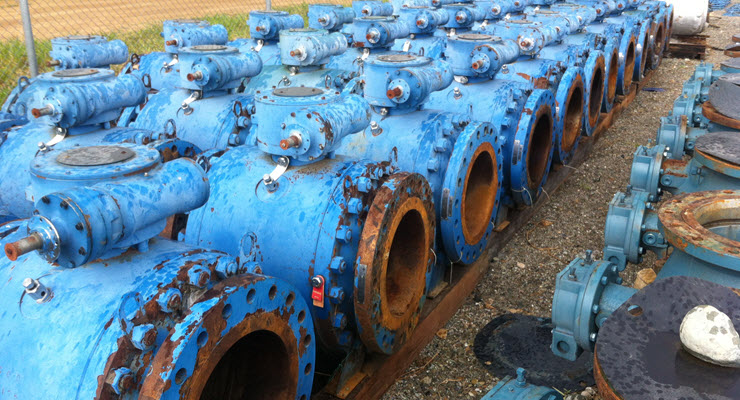
Industrial equipment represents a significant investment for businesses across sectors such as power generation, oil and gas, petrochemicals, manufacturing, and heavy engineering. During plant shutdowns, project delays, transportation, or long term storage, valuable equipment is often exposed to environmental conditions that can lead to corrosion and deterioration. Moisture, humidity, and condensation are among the most common causes of equipment damage during idle periods, making effective preservation strategies essential for maintaining asset reliability.
Professional equipment preservation services help industries protect critical assets by controlling humidity and preventing moisture related damage. These specialised services create controlled storage conditions that minimise corrosion, reduce maintenance requirements, and ensure equipment remains ready for safe and efficient operation when required. By implementing the appropriate preservation methods, organisations can extend equipment life while reducing long term operational costs.
Why Equipment Preservation Is Essential for Industrial Facilities
Industrial equipment often remains inactive during scheduled shutdowns, maintenance projects, construction delays, or storage before commissioning. Although equipment may not be operating, environmental conditions continue to affect exposed metal surfaces, electrical components, and internal systems. Without adequate protection, moisture accumulation can gradually lead to corrosion that compromises equipment performance and increases future repair costs.
Equipment preservation focuses on maintaining controlled environmental conditions throughout idle periods. By reducing humidity and limiting moisture exposure, preservation services help maintain equipment integrity until it is returned to operation.
Common risks associated with inadequate equipment preservation include:
● Surface corrosion
● Internal rust formation
● Condensation inside equipment
● Damage to electrical components
● Increased maintenance costs
● Delayed commissioning
● Reduced equipment reliability
Implementing a structured preservation programme allows facilities to protect valuable assets while supporting efficient project planning and long term operational performance.
How Moisture and Humidity Cause Equipment Corrosion
Humidity is one of the primary factors contributing to industrial equipment corrosion. When warm, moisture laden air comes into contact with cooler metal surfaces, condensation forms and creates favourable conditions for corrosion. Over time, this process may affect internal components, piping systems, rotating equipment, electrical panels, and structural assemblies.
Professional preservation services reduce humidity within enclosed spaces and maintain stable environmental conditions that significantly reduce the likelihood of corrosion developing during storage or shutdown periods.
The Risks of Leaving Idle Equipment Unprotected
Idle equipment is often exposed to changing temperatures and varying humidity levels that accelerate deterioration if preservation measures are not implemented. Equipment stored without moisture control may require extensive inspection, cleaning, and repairs before it can safely return to service.
Potential consequences of inadequate preservation include:
● Premature equipment deterioration
● Higher refurbishment costs
● Extended maintenance schedules
● Reduced operational readiness
● Increased downtime after restart
Taking preventive measures before corrosion develops is generally more effective than addressing damage after it has occurred.
What Are Equipment Preservation Services?
Equipment preservation services involve the use of specialised moisture control techniques, dehumidification systems, protective barriers, environmental monitoring, and inspection programmes to protect industrial assets during periods of inactivity. These services are customised according to equipment type, project duration, storage conditions, and environmental exposure.
Rather than relying solely on physical covers or temporary storage methods, modern preservation solutions focus on actively controlling humidity and environmental conditions around sensitive equipment. This proactive approach helps maintain equipment condition throughout extended shutdowns or storage periods.
Understanding the Equipment Preservation Process
A successful preservation programme begins with evaluating the equipment, surrounding environment, and expected storage duration. Based on this assessment, appropriate preservation methods are selected to maintain suitable humidity levels and minimise moisture exposure.
The preservation process generally includes:
● Equipment inspection
● Environmental assessment
● Moisture control planning
● Installation of preservation systems
● Continuous humidity monitoring
● Routine equipment inspections
● Preservation removal before recommissioning
Each stage contributes to maintaining equipment integrity while supporting efficient project management.
How Dehumidification and Humidity Control Protect Industrial Assets
Dehumidification plays a central role in equipment preservation by reducing the amount of moisture present in the surrounding air. Lower humidity levels significantly reduce condensation, helping protect metal components, electrical systems, and internal equipment surfaces from corrosion.
Effective humidity control offers several important benefits:
● Reduces corrosion risks
● Protects sensitive equipment
● Maintains internal cleanliness
● Supports reliable recommissioning
● Improves long term equipment condition
● Reduces future maintenance requirements
Many industrial moisture control projects use technologies similar to those employed with Dehumidifiers for Grape Drying, where precise humidity management is essential for achieving consistent drying performance. Although the applications differ, both solutions rely on controlled environmental conditions to achieve effective moisture management.
Key Preservation Techniques Used for Industrial Equipment
Different preservation methods are selected depending on equipment type and environmental conditions. Combining multiple techniques often provides the highest level of protection during long term storage or shutdowns.
Common preservation techniques include:
● Industrial dehumidification
● Humidity monitoring
● Protective wrapping systems
● Dry air circulation
● Sealed equipment storage
● Periodic equipment inspection
● Corrosion prevention treatments
Selecting the appropriate combination of techniques helps ensure that valuable equipment remains protected throughout the preservation period.
Benefits of Professional Equipment Preservation Services
Professional preservation services provide industries with a reliable method of protecting valuable assets while reducing long term maintenance costs. By maintaining controlled environmental conditions, organisations can preserve equipment performance and minimise deterioration during periods of inactivity.
Prevents Corrosion During Shutdowns
Corrosion often begins when equipment remains exposed to uncontrolled humidity for extended periods. Preservation systems maintain dry environmental conditions that significantly reduce corrosion risks while protecting internal and external equipment surfaces.
Extends Equipment Service Life
Proper preservation supports long term equipment reliability by limiting deterioration caused by moisture exposure. Maintaining equipment in good condition during shutdowns helps maximise its operational lifespan and reduces the likelihood of premature replacement.
Reduces Maintenance and Repair Costs
Equipment that is effectively preserved generally requires fewer corrective repairs before returning to operation. Preventing corrosion reduces the need for cleaning, refurbishment, replacement parts, and extensive maintenance activities.
Key financial benefits include:
● Lower maintenance expenses
● Reduced refurbishment requirements
● Improved equipment availability
● Longer inspection intervals
● Better asset utilisation
Improves Equipment Readiness for Restart
A well preserved system remains in a condition that supports efficient recommissioning once operations resume. Equipment that has been protected from moisture and corrosion typically requires less preparation before startup, helping reduce project delays.
Supports Long Term Asset Reliability
Industrial assets are expected to deliver reliable performance throughout their operational life. Professional preservation services help maintain this reliability by protecting equipment from one of its most common causes of deterioration, which is prolonged exposure to moisture.
For facilities planning extended maintenance or outage periods, plant shutdown preservation services provide an effective solution for maintaining controlled environmental conditions while protecting valuable equipment from corrosion and unnecessary deterioration.
Understanding the Importance of a Planned Preservation Strategy
Every industrial facility has different preservation requirements depending on equipment type, environmental conditions, project duration, and operational objectives. Developing a structured preservation strategy helps reduce corrosion risks, improve equipment reliability, and minimise long term maintenance costs. Selecting appropriate preservation techniques before equipment enters storage or shutdown is an important step in protecting valuable industrial assets.
In the next section, we will explore when equipment preservation should be implemented, the industries that benefit most from these services, how to choose the right preservation provider, best practices for long term protection, and why professional equipment preservation is a cost effective investment for industrial facilities.
When Should Equipment Preservation Be Used?
Equipment preservation should begin whenever industrial assets are expected to remain idle for an extended period. Waiting until corrosion or moisture related damage becomes visible can lead to higher maintenance costs and longer restoration times. Implementing preservation measures early helps maintain equipment condition and supports a smoother return to operation.
Preservation services are valuable for both planned and unexpected situations where environmental exposure may affect equipment performance. By controlling humidity and monitoring storage conditions, organisations can reduce the risk of deterioration throughout the idle period.
Planned Plant Shutdowns
Scheduled shutdowns are one of the most common situations where equipment preservation is required. During these periods, machinery, pipelines, turbines, heat exchangers, and other critical assets remain inactive while maintenance and inspections are carried out.
Equipment preservation during shutdowns helps:
● Maintain dry storage conditions
● Protect exposed metal surfaces
● Reduce corrosion risks
● Support efficient maintenance activities
● Improve restart readiness
Long Term Equipment Storage
Industrial equipment may remain in storage before installation, during project delays, or while awaiting future use. Preservation services help maintain suitable environmental conditions throughout the storage period, reducing the likelihood of deterioration caused by humidity and condensation.
Project Delays and Construction Hold Periods
Construction and expansion projects do not always progress according to schedule. Equipment delivered to site may remain unused for weeks or months before installation begins. Preservation measures protect these valuable assets until project activities resume.
Equipment Transportation and Installation
Equipment can also be exposed to changing environmental conditions during transportation and installation. Applying preservation techniques before and after transport helps minimise moisture exposure and protects equipment before it enters service.
Industries That Benefit from Equipment Preservation Services
Many industrial sectors rely on equipment preservation to maintain asset integrity during shutdowns, storage, and maintenance projects. Effective preservation supports operational continuity while reducing long term ownership costs.
Power Generation
Power plants contain turbines, generators, boilers, transformers, and auxiliary equipment that require protection during planned outages and maintenance periods. Preservation services help maintain equipment readiness while reducing corrosion risks.
Oil and Gas
Oil and gas facilities often manage large shutdown projects involving extensive equipment preservation. Moisture control supports the protection of pipelines, pressure vessels, compressors, and rotating equipment throughout maintenance activities.
Petrochemical Plants
Petrochemical facilities depend on reliable equipment performance to maintain safe and efficient operations. Preservation services reduce environmental exposure and help maintain equipment integrity during temporary shutdowns.
Chemical Processing
Chemical manufacturing plants benefit from humidity control during maintenance and storage, helping protect processing equipment and minimise deterioration before operations resume.
Marine and Offshore Facilities
Marine environments present particularly challenging conditions because of high humidity and salt laden air. Professional preservation services help reduce corrosion risks while protecting valuable offshore and marine equipment.
Heavy Manufacturing
Heavy manufacturing facilities use preservation programmes to protect production equipment during maintenance, facility upgrades, and temporary shutdowns.
Industries commonly served include:
● Power generation
● Oil and gas
● Petrochemical processing
● Chemical manufacturing
● Marine and offshore
● Heavy engineering
● Industrial manufacturing
● Infrastructure projects
How to Choose the Right Equipment Preservation Service Provider
Selecting the right preservation partner is essential for achieving reliable long term equipment protection. A qualified service provider should have the technical expertise, specialised equipment, and monitoring capabilities needed to support different industrial environments.
Assess Equipment Preservation Requirements
Every preservation project begins with understanding the equipment, environmental conditions, and storage duration.
Important considerations include:
● Equipment type
● Storage period
● Humidity levels
● Environmental exposure
● Restart schedule
A detailed assessment helps determine the most suitable preservation strategy.
Evaluate Environmental Conditions
Environmental conditions have a direct impact on preservation requirements. Temperature fluctuations, humidity, ventilation, and storage location should all be evaluated before selecting preservation methods.
Choose the Appropriate Preservation Method
Different equipment types require different preservation techniques. Some projects may rely primarily on industrial dehumidification, while others may require sealed storage, protective wrapping, corrosion inhibitors, or continuous dry air circulation.
Selecting the appropriate method improves protection while ensuring efficient use of preservation resources.
Consider Technical Expertise and Monitoring Support
Professional preservation services should include ongoing monitoring and technical support throughout the project.
A reliable provider should offer:
● Site assessment
● Preservation planning
● Equipment installation
● Continuous humidity monitoring
● Scheduled inspections
● Technical reporting
● Recommissioning support
Comprehensive technical support helps ensure preservation measures remain effective throughout the storage period.
Best Practices for Long Term Equipment Preservation
Long term preservation requires consistent monitoring and preventive maintenance to ensure equipment remains protected. Regular inspections and environmental control help identify potential issues before they affect equipment condition.
Continuous Humidity Monitoring
Monitoring humidity levels allows preservation teams to maintain suitable environmental conditions and respond quickly if changes occur.
Regular Equipment Inspection
Routine inspections verify that preservation systems continue operating effectively and that equipment remains free from corrosion or moisture accumulation.
Controlled Environmental Conditions
Maintaining stable humidity and temperature conditions is essential for protecting equipment throughout storage or shutdown periods.
Preventive Maintenance During Storage
Even preserved equipment benefits from periodic maintenance to verify system integrity and maintain operational readiness.
Recommended activities include:
● Inspecting preservation systems
● Checking humidity readings
● Examining protective barriers
● Verifying equipment condition
● Updating inspection records
● Reviewing preservation plans
Following a structured maintenance programme helps maintain equipment reliability until it is returned to service.
Why Equipment Preservation Is a Cost Effective Investment
Investing in professional equipment preservation helps organisations avoid the significantly higher costs associated with corrosion repair, equipment refurbishment, and delayed project schedules. Protecting equipment before deterioration begins is generally more economical than correcting damage after it has occurred.
Effective preservation also improves asset availability, extends equipment service life, and reduces the amount of maintenance required before recommissioning. These long term benefits contribute to lower operating costs while improving the overall return on industrial asset investments.
Conclusion
Equipment preservation services play a vital role in protecting industrial assets from corrosion, moisture, and environmental deterioration during shutdowns, storage, transportation, and project delays. By maintaining controlled humidity and implementing proven preservation techniques, organisations can extend equipment life, reduce maintenance costs, and improve operational readiness.
A well planned preservation programme helps ensure that valuable equipment remains in excellent condition until it is required for operation. Choosing the right preservation partner provides access to specialised expertise, reliable monitoring, and customised solutions that support long term asset protection.
If you need professional support to safeguard your industrial equipment during shutdowns or storage, contact Technical Drying Services to discuss your preservation requirements and identify the most suitable solution for your facility.
Frequently Asked Questions
1. What are equipment preservation services?
Equipment preservation services protect industrial assets from corrosion and moisture damage during shutdowns, storage, transportation, and project delays through humidity control, dehumidification, monitoring, and specialised preservation techniques.
2. Why is equipment preservation important during plant shutdowns?
Plant shutdowns expose equipment to humidity and condensation for extended periods. Preservation services help prevent corrosion, reduce maintenance requirements, and ensure equipment is ready for reliable recommissioning.
3. How does dehumidification prevent equipment corrosion?
Dehumidification lowers the moisture content in the surrounding air, reducing condensation on metal surfaces. Maintaining controlled humidity significantly decreases the conditions that allow corrosion to develop.
4. Which industries require equipment preservation services?
Power generation, oil and gas, petrochemical processing, chemical manufacturing, marine, heavy engineering, infrastructure, and general industrial manufacturing all benefit from equipment preservation services.
5. How do I choose the right equipment preservation solution?
Evaluate the equipment type, storage duration, environmental conditions, humidity levels, and monitoring requirements. Working with an experienced preservation service provider ensures the solution is tailored to your operational needs and long term asset protection goals.
