
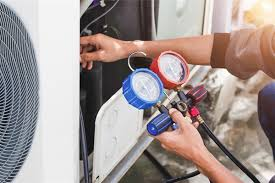
Few home comfort problems are as frustrating as an air conditioning system that suddenly stops working, especially on a hot day. One moment the space feels comfortable, and the next you are checking the thermostat, listening for unusual sounds, and wondering whether the problem is minor or something that needs immediate attention. Reading reviews of Viking Cooling & Heating can also give you a better sense of how similar air conditioning problems are typically handled and what homeowners tend to experience during the repair process.
The good news is that not every breakdown means the entire system has failed. A few simple checks can help you understand what may be happening, while knowing when to stop troubleshooting can prevent a small issue from turning into a much larger repair.
Start with a few simple checks
Before assuming the worst, take a look at the basics.
Start with the thermostat. Make sure it is set to cooling mode and that the temperature is set below the current indoor temperature. If the display is blank, the batteries may need replacing.
Next, check the electrical panel. A tripped breaker can prevent the system from running. If a breaker has tripped once, resetting it may solve the issue. If it trips again shortly afterward, however, avoid repeatedly resetting it because this can indicate an electrical problem that needs professional attention.
The air filter is another easy place to look. A heavily clogged filter can restrict airflow and make the system work harder than it should. In some situations, restricted airflow can contribute to overheating or freezing around internal components.
You can also check whether the outdoor unit appears to be running and whether air is coming from the vents. These observations can help narrow down the problem without taking anything apart.
Know the signs of a more serious problem
Some symptoms suggest that the issue goes beyond a simple thermostat setting or dirty filter.
Warm air coming from the vents even though the system is running can point to a refrigerant, compressor, electrical, or airflow problem. Loud grinding, banging, buzzing, or screeching sounds may also indicate mechanical trouble.
Water around the indoor unit deserves attention as well. Condensation is normal inside the system, but pooling water can signal a blocked drain line, frozen coil, or another issue that should be investigated.
Another warning sign is short cycling, where the system turns on and off repeatedly without completing a normal cooling cycle. This puts additional strain on components and can increase energy use while failing to cool the space properly.
If you notice a burning smell, visible smoke, repeated electrical trips, or unusual heat coming from equipment, turn the system off and arrange for professional help.
Avoid turning troubleshooting into a repair project
It can be tempting to open panels, test electrical components, or search for a quick do-it-yourself fix. That is where simple troubleshooting can become risky.
Air conditioning systems contain electrical connections, moving parts, pressurized refrigerant, and components that require specialized tools to test correctly. Attempting repairs without the right training can damage the equipment or create a safety hazard.
Stick to basic checks that do not require dismantling the system. Thermostat settings, breakers, filters, vents, and visible conditions around the equipment are reasonable places to start. Anything involving wiring, refrigerant, motors, capacitors, compressors, or internal components should usually be handled by a qualified technician.
When professional repair becomes necessary
Professional attention is usually the right next step when the system will not turn on after basic checks, produces warm air continuously, leaks, freezes, makes unusual noises, or repeatedly shuts itself down.
A technician can test the system as a whole instead of simply replacing the first component that appears faulty. That matters because one symptom can have several possible causes. Poor airflow, for example, might be connected to a filter, blower issue, duct problem, frozen coil, or another mechanical fault.
Addressing the cause early can also reduce the risk of additional damage. Continuing to operate a struggling system may place unnecessary stress on other components and make the eventual repair more complicated.
Keeping the space comfortable while the system is down
While waiting for repairs, focus on reducing heat entering the building. Close blinds or curtains on sunny windows, limit the use of ovens and other heat-producing appliances, and use fans to keep air moving. If outdoor temperatures drop in the evening, opening windows can sometimes help release accumulated indoor heat.
Larger commercial or industrial spaces may face a different challenge. Cooling may be needed not only for comfort but also for equipment, production areas, stored materials, computer rooms, or other temperature-sensitive operations. When the main cooling system cannot be restored immediately, temporary cooling equipment can help maintain essential temperature control during repairs, with options available through www.aercosystems.com when additional capacity is needed. Portable chiller rental units can provide that extra cooling while permanent equipment is being serviced, helping reduce disruption when simply waiting for the repair is not practical.
Fun Fact: Air conditioning systems do more than lower indoor temperature. During normal operation, they also remove moisture from the air as warm indoor air passes across the cold evaporator coil. That is one reason a properly operating system can make a room feel more comfortable even when the thermostat setting has not changed dramatically.
Staying calm when the cooling stops
An unexpected breakdown is inconvenient, but a methodical response makes the situation much easier to manage. Check the simple things first, pay attention to warning signs, and avoid repairs that require opening or testing internal components.
Most importantly, do not continue forcing a system to run when something clearly seems wrong. Acting early can protect the equipment, reduce unnecessary damage, and make it easier to restore comfortable temperatures as quickly as possible.
