
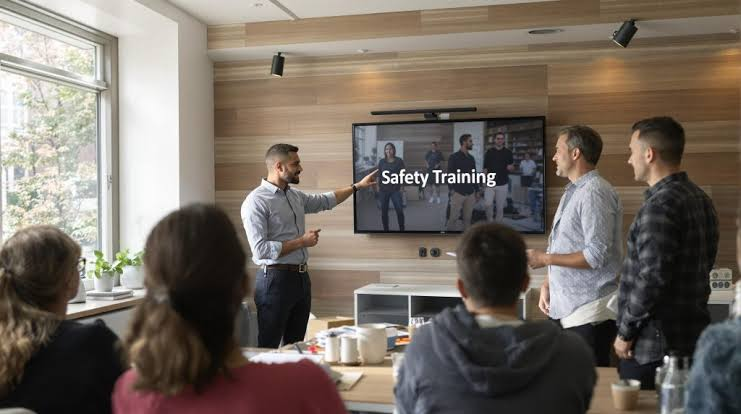
Safety is not something that can be learned once and then forgotten. Skills fade, procedures change, and even experienced people can become less sharp when they stop practicing. Whether someone is developing personal safety skills through firearm training for beginners or working in a professional security environment, ongoing training helps turn knowledge into habits that can be relied on when it matters most.
Regular training is not simply about repeating the same exercises. Good instruction continues to build judgment, awareness, confidence, and the ability to respond appropriately under pressure. The goal is not to make someone feel invincible. It is to make them more prepared, more responsible, and more aware of their own limitations.
Skills can fade without regular practice
It is easy to assume that once a person learns a skill, they will always remember exactly how to perform it. In reality, practical abilities often decline when they are not used.
This is especially important when training involves safety procedures, equipment handling, communication, or decision-making under pressure. Someone may understand the basics during an initial class, but months without practice can lead to slower reactions, forgotten procedures, or unnecessary hesitation.
Ongoing instruction gives people the opportunity to refresh what they already know while correcting small mistakes before they become habits. It also creates a structured environment where questions can be asked and techniques can be reviewed without the pressure of a real emergency.
Confidence should come from competence
Confidence is useful when it is supported by experience and preparation. Without continued practice, however, confidence can sometimes become overconfidence.
Regular training provides a more realistic understanding of personal ability. It gives individuals the chance to recognize areas where they are improving and areas that still need attention.
This is particularly valuable when working with tools or equipment that require careful handling. Supervised instruction can reinforce safe habits, responsible decision-making, and situational awareness rather than simply focusing on technical ability.
The strongest training programs encourage people to think before they act. Knowing when not to take action can be just as important as knowing what to do.
Training develops better situational awareness
Many safety situations are easier to manage when potential problems are noticed early.
Situational awareness involves paying attention to surroundings, recognizing unusual behavior, understanding possible risks, and avoiding unnecessary escalation. These skills improve through repetition because training encourages people to observe situations more deliberately.
Over time, awareness can become more natural. Instead of focusing only on how to respond after something goes wrong, trained individuals become better at recognizing warning signs beforehand.
This preventive mindset can be useful in everyday environments as well as professional settings.
Professional safety depends on preparation
The same principles become even more important when safety is part of someone’s job.
Professional security personnel may be responsible for protecting people, monitoring property, controlling access, observing suspicious activity, or responding to unexpected situations. The range of responsibilities connected with http://guardsoncall.us/ shows why effectiveness depends on much more than simply being present. Regular training helps reinforce communication standards, emergency procedures, observation skills, de-escalation techniques, reporting practices, and appropriate responses to different situations. Supervision and continued education are equally important. Procedures may change, new risks may appear, and different environments may require different approaches. A professional who regularly reviews expectations and practices realistic scenarios is generally better prepared to make calm decisions than someone relying entirely on previous experience. Continued training also creates consistency. When several people are responsible for security, everyone needs to understand the same procedures. Clear expectations make coordinated responses easier and reduce confusion during stressful situations.
Repetition helps turn knowledge into instinct
One of the biggest benefits of continued practice is familiarity.
During an emergency, people do not always have time to carefully think through every individual step. Stress can interfere with concentration, memory, and decision-making. Repeated training makes important procedures more familiar, increasing the chance that someone will remember what they have practiced.
This does not mean reactions should become automatic without thought. Effective training combines repetition with judgment so that people understand both how to respond and why a particular response may be appropriate.
Fun Fact: Research into skill development has repeatedly shown that spaced practice, where training is revisited over time instead of completed in one intensive session, can improve long-term retention. This is one reason periodic refresher training can be more valuable than relying entirely on a single course.
Safety is an ongoing responsibility
Training should be viewed as a process rather than a finish line.
Initial instruction creates a foundation, but continued learning keeps that foundation strong. Regular practice helps people maintain technical skills, improve awareness, recognize changing risks, and make better decisions when situations become unpredictable.
For individuals, that can mean greater confidence paired with greater responsibility. For professionals, it can mean more consistent performance and stronger preparation for the situations they may eventually face.
The most valuable safety skills are rarely the ones learned once and forgotten. They are the ones practiced often enough to remain clear, familiar, and dependable when they are needed most.
