
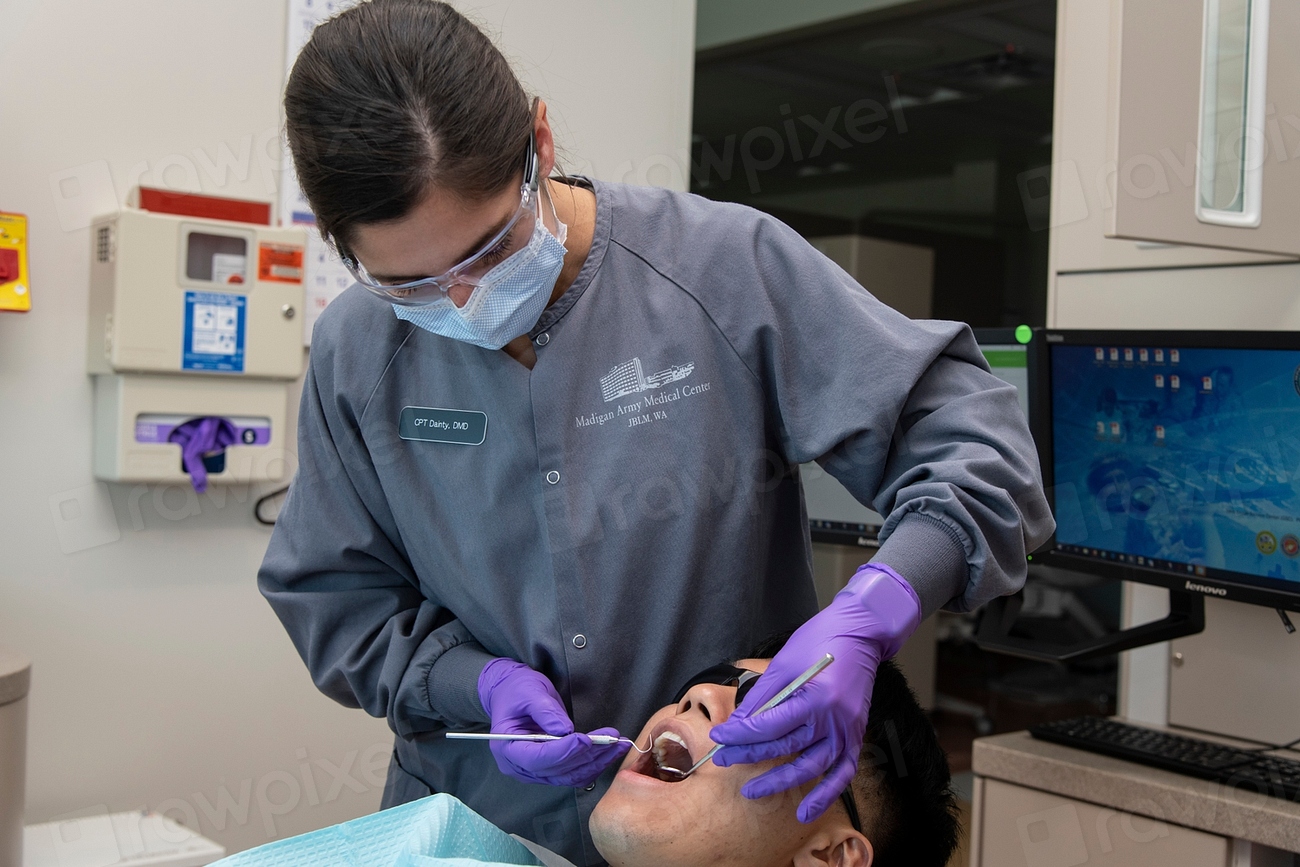
You book a family dental visit to get teeth cleaned, check for cavities, and keep everyone on schedule, serving gentle dental care for families in Greenlawn, NY. Then real life shows up. One child is rushing out the door without brushing long enough, another hates flossing, and the adults are doing their best to remember who needs a new toothbrush and who keeps skipping water for sports drinks. It adds up fast, and oral care often slips into autopilot.
That is why Why Family Dental Visits Are A Good Time To Review Daily Routines makes so much sense. A checkup is not only about what is happening in the dental chair. It is also a chance to look at what happens every morning, every night, and in all the small in between moments that shape your family’s oral health. A family dental checkup can help you spot habits that are working, habits that are not, and simple fixes that make home care easier.
Family dental visits connect daily habits to long term oral health
Most families are not dealing with one big mistake. They are dealing with a series of small routines that drift over time. Bedtimes change. School schedules get packed. Weekend routines fall apart. One missed brushing turns into a pattern, and a habit that felt harmless starts showing up as plaque, bleeding gums, bad breath, or early decay.
That is the value of seeing a family dentist. You are getting a professional view of how daily habits are affecting each person in your home. If a child has cavities in hard to reach molars, brushing technique may need work. If a teen has enamel wear, frequent sipping on acidic drinks may be part of the problem. If an adult has gum irritation, flossing might be inconsistent or rushed. The visit gives those patterns a face.
The bigger issue is that many people do not notice routine drift until there is pain, a surprise bill, or a child who suddenly needs more treatment than expected. According to the CDC’s oral health guidance, oral health is closely tied to overall health, which means home habits matter far beyond a bright smile.
Reviewing home routines during a dental appointment prevents small issues from growing
You already know the basics. Brush twice a day. Floss. Limit sugar. The hard part is making those basics work in a real household. Maybe your youngest brushes for ten seconds and insists they are done. Maybe your teen is brushing regularly but never wearing a mouthguard for sports. Maybe you are buying toothpaste without checking whether it contains fluoride.
These are not rare problems. They are normal family problems, which is why a dental visit is such a useful checkpoint. Instead of guessing, you can review what each person is actually doing. A dentist may suggest changing the time of brushing, switching to a softer brush head, helping younger kids brush until they have the hand skill to do it well, or using floss picks if string floss is causing a nightly struggle.
The same visit can also clear up confusion. The NIH overview on oral and dental health explains that daily care and regular dental visits work together. One does not replace the other. Cleanings help remove buildup, but they cannot undo months of weak routines at home.
Daily oral care routines are easier to fix when the whole family is involved
Change tends to stick when it feels shared instead of forced. If one child is told to floss while everyone else gets a pass, the habit often fades. If the whole household resets together, there is less pushback and less shame. Family dental appointments create a natural moment to do that.
A parent might realize that the child’s brushing problem is really a timing problem. Mornings are too rushed, so the better solution is a stronger bedtime routine. Another family may learn that frequent snacking is keeping teeth under constant sugar exposure, even though no one is eating much candy. A simple shift, such as offering water between meals and setting snack times, can lower that risk.
Fluoride often comes up here too. The National Institute of Dental and Craniofacial Research explains fluoride as a key tool for preventing tooth decay. During a visit, you can confirm whether your toothpaste, drinking water, or other preventive steps are giving your family enough support.
Home care and family dentist visits work best together
|
Daily Routine Area |
What Happens at Home |
What a Family Dentist Can Help Review |
|---|---|---|
|
Brushing |
Kids may rush, miss back teeth, or brush without enough fluoride toothpaste |
Technique, timing, brush type, and age appropriate supervision |
|
Flossing |
Often skipped because it feels hard or takes too long |
Better tools, easier methods, and signs of early gum irritation |
|
Diet and drinks |
Frequent juice, soda, sports drinks, or constant snacking can raise cavity risk |
Patterns linked to enamel wear, decay, and better choices that fit your routine |
|
Prevention |
Families may not know if fluoride or sealants are needed |
Personalized prevention based on age, risk, and current oral health |
This is why many parents find that reviewing routines at dental visits feels more productive than another lecture at home. The appointment gives you evidence, not guesswork, and that makes change easier to accept.
Small changes after a family dentist visit can make daily care less stressful
Track what is really happening. For one week, notice when each person brushes, how long it lasts, and where the routine breaks down. You do not need a perfect chart. You need an honest picture. That makes it easier to fix the real problem instead of the one that sounds good on paper.
Pick one routine change per person. Trying to overhaul everything at once usually fails. One child may need help brushing back molars. A teen may need to cut down on sipping sugary drinks after school. An adult may need to start flossing at a time that actually fits the day. One clear change has a better chance of sticking.
Use the next appointment as a checkpoint. A family dentist can do more than clean teeth. Bring up what has been hard at home. Ask about fluoride, brushing technique, food habits, or signs of grinding. The more specific you are, the more useful the advice becomes.
You may also like: What Families Should Know About Sharing Dental Insurance Benefits
Family routines do not need to be flawless to protect oral health. They need to be consistent enough to support the people you care about. A dental visit gives you a practical moment to pause, look closely, and reset habits before small problems turn into bigger ones. If your household has been running on autopilot, this is a good time to schedule a visit with a family dentist and use that appointment to get your daily routine back on track.
