
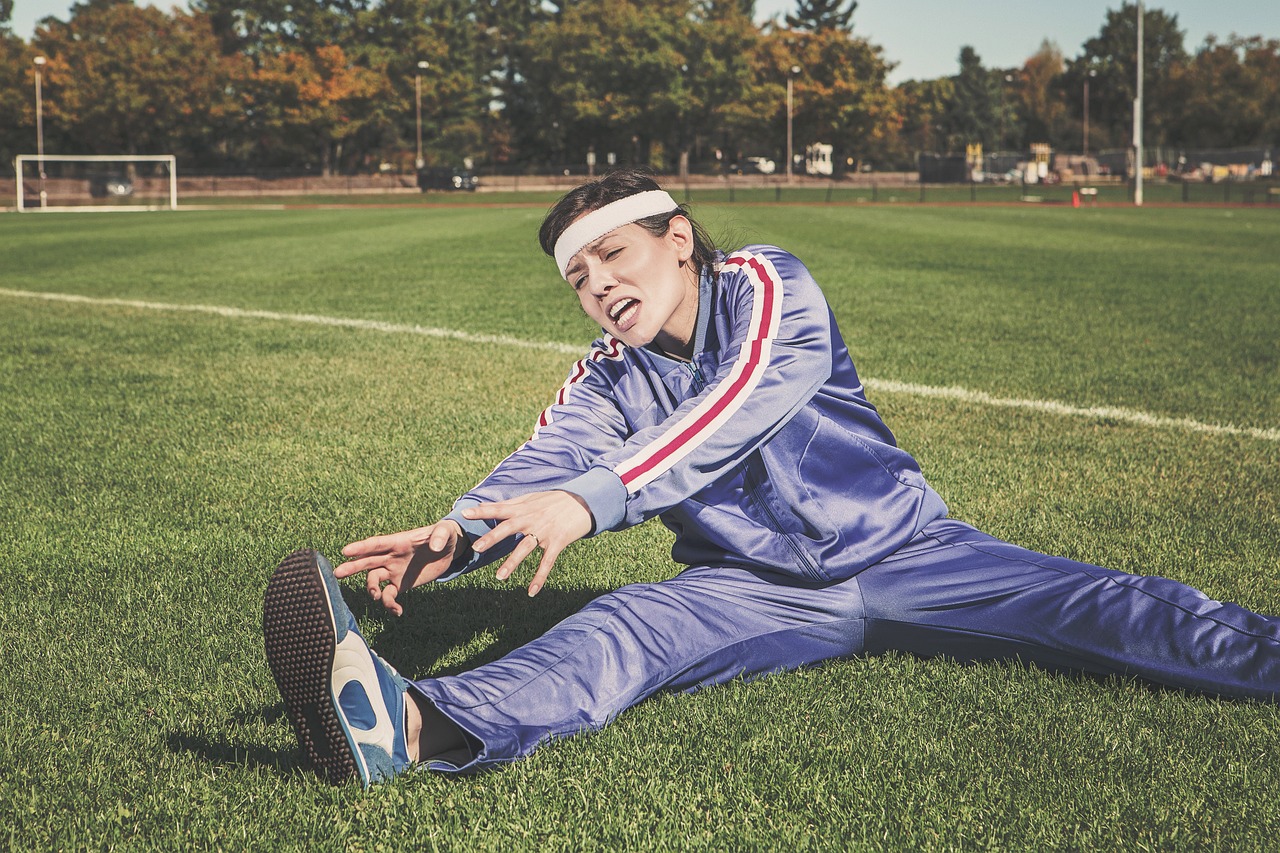
Competing in high-stakes athletics demands a harmonious balance between peak physical conditioning and unyielding mental resilience. Elite performance on the field, court, or ring is rarely the result of raw talent alone; it stems from months of disciplined preparation, structured training cycles, tactical focus, and emotional regulation. Athletes who master both their physical bodies and psychological mindsets enter competitions with supreme confidence, consistency, and tactical poise. By implementing comprehensive physical conditioning routines and proven mental performance strategies, you can elevate your athletic potential and perform at your highest level under competitive pressure.
Build Foundational Athletic Conditioning and Physical Capacity
Physical preparation for competitive sports begins with building a strong, resilient physical engine tailored to the specific biomechanical demands of your sport. Developing a well-rounded fitness base ensures your body can withstand intense game-day workloads without suffering premature fatigue or physical breakdown.
Structure your training regimen to balance cardiovascular endurance, explosive power, muscular strength, agility, and joint flexibility. Incorporating sport-specific high-intensity interval training replicates the intermittent sprint demands of competitive play, training your anaerobic energy systems to recover rapidly during brief lulls in action.
Additionally, prioritize functional strength training that emphasizes compound multi-joint movements like squats, deadlifts, and overhead presses. Strengthening core muscles and stabilizing joint structures enhances power output, improves balance control, and fortifies your body against acute athletic injuries during intense competition.
Targeting Energy Systems for Sport-Specific Stamina
Tailoring cardiovascular workouts to match the energy demands of your sport ensures you maintain speed and agility through final game periods.
Alternating high-intensity bursts with short recovery intervals conditions heart and muscle tissues for realistic competition pacing. Interval training maximizes game-day endurance.
Strengthening Core and Stabilizing Musculature
Building deep core strength provides a solid rotational axis, transferring force efficiently between lower and upper extremities during explosive movements.
Fortifying stabilizing muscles around hips, knees, and ankles protects joint integrity during sudden lateral cuts. Core stability enhances overall movement control.
Master Technical Skills and Tactical Game Execution
Physical strength and endurance are most effective when paired with refined technical skill execution and sharp tactical awareness. Repeatedly practicing fundamental skills under simulated pressure builds deep muscle memory, allowing actions to execute automatically during actual competition.
Dedicate focused training time to perfecting sport-specific mechanics, such as throwing accuracy, footwork patterns, striking technique, or ball control. Breaking complex movements down into technical drills enables precise adjustments before integrating them into high-speed game scenarios.
Furthermore, study game tactics, playbooks, and opponent strategies thoroughly. Understanding defensive schemes, spatial positioning, and tactical counters sharpens your decision-making speed, enabling you to anticipate opponent moves and react instantly under high-stress competition conditions.
Automating Technical Mechanics Through Deliberate Practice
Repetitive, high-volume practice of foundational skill drills engraves motor patterns into central nervous systems for effortless execution.
Executing technical skills under fatigue during practice simulates late-game conditions, ensuring mechanical accuracy remains high when tired. Skill automation delivers game-day consistency.
Analyzing Opponent Film and Strategic Game Plans
Reviewing opponent performance footage highlights tactical tendencies, defensive weaknesses, and predictable movement patterns you can exploit.
Visualizing strategic responses to various game scenarios prepares your mind to execute tactical adjustments seamlessly under competitive pressure. Tactical analysis sharpens competitive strategy.
Optimize Equipment Selection and Physical Protection
Entering competition with gear that fits properly and functions flawlessly eliminates unnecessary distractions and protects your body from physical trauma. Equipment preparation should be finalized well before competition day to ensure complete familiarity and comfort.
Inspect all primary equipment—including athletic shoes, uniforms, protective pads, and eyewear—to confirm proper fit, structural integrity, and compliance with league regulations. Wearing broken-in footwear prevents painful blisters, while well-adjusted padding ensures maximum shock absorption without restricting athletic movement.
In contact or collision sports, protecting oral structures is vital for maintaining physical focus and safety. Wearing a custom mouth guard offers superior impact absorption, precise jaw alignment, and comfortable breathing compared to generic over-the-counter options, shielding teeth and jaw joints against heavy physical impacts.
Ensuring Proper Footwear Break-In and Surface Traction
Wearing new athletic shoes during practice sessions beforehand molds footwear to foot contours, preventing friction blisters during game day.
Selecting cleat or shoe tread patterns optimized for specific playing surfaces ensures maximum grip during rapid directional shifts. Proper footwear optimizes ground force transfer.
Securing Custom Dental and Facial Safeguards
Professionally fabricated dental guards cushion heavy facial impacts, redistributing shock forces away from delicate tooth roots and jawbones.
Custom-molded oral protection fits tightly against dental arches, allowing athletes to speak clearly and breathe easily during intense action. Custom guards maximize physical safety.
Cultivate Mental Toughness, Focus, and Emotional Control
The difference between good athletes and championship performers often lies in psychological preparation. Developing mental toughness allows you to remain calm under intense pressure, bounce back instantly from errors, and maintain relentless focus throughout competition.
Incorporate mental skills training—such as positive self-talk, emotional regulation, and mindfulness—into your daily routine. Reframing nervous pre-game energy as excitement helps channel adrenaline into positive performance focus rather than paralyzing anxiety.
Establish a reset protocol to handle unexpected mistakes or unfavorable referee calls during competition. Taking a deep, diaphragmatic breath and focusing on the immediate next play prevents frustration from compounding into game-altering errors, keeping your mind anchored firmly in the present moment.
Practicing Diaphragmatic Breathing for Pressure Control
Executing slow, deep abdominal breaths activates parasympathetic nervous responses, lowering elevated heart rates and calming pre-competition jitters.
Controlled breathing relaxes tense shoulder and facial muscles, restoring fluid movement mechanics before key competition moments. Diaphragmatic breathing stabilizes nervous energy.
Utilizing Immediate Reset Cues After Mistakes
Developing personal physical or verbal reset triggers—such as adjusting a wristband or saying a grounding phrase—clears focus after errors.
Refocusing instantly on immediate tactical duties stops negative self-talk from ruining subsequent plays. Reset protocols preserve mental composure.
Harness Visualization and Mental Imagery Techniques
Visualization is a powerful psychological tool utilized by elite athletes worldwide to mentally rehearse successful performance outcomes. The brain activates similar neural pathways during vivid mental imagery as it does during actual physical execution, strengthening motor patterns and confidence.
Dedicating ten to fifteen minutes daily to quiet visualization exercises enhances competitive readiness. Close your eyes and vividly imagine executing flawless technical movements, responding calmly to tough game situations, and achieving your desired performance goals.
Incorporate rich sensory details into your mental imagery—feel the texture of the ball, hear the crowd noise, smell the indoor court or outdoor turf, and feel the emotional triumph of success. Detailed visualization builds deep internal familiarity with victory, reducing anxiety and priming your subconscious mind for real-world success.
Engaging All Senses for Realistic Mental Rehearsal
Including auditory, tactile, and visual elements in visualization practices makes mental imagery feel intensely realistic to neural networks.
Simulating competitive pressure mentally trains your brain to remain composed when facing real-world crowd noise or opponent aggression. Multi-sensory imagery reinforces confidence.
Rehearsing Strategic Responses to Unexpected Obstacles
Visualizing how you will overcome adverse scenarios—such as trailing on the scoreboard or feeling physical fatigue—prepares your mind for resilience.
Pre-programming calm, decisive responses to adversity eliminates panic when challenges emerge during live competition. Obstacle rehearsal guarantees mental adaptability.
Prioritize Tapering, Nutrition, and Restorative Sleep
As competition day approaches, shift your physical focus from heavy training load accumulation to active recovery and energy optimization. Continuing to train intensely right up to game day leaves muscles fatigued, and energy stores depleted when peak performance is needed most.
Implement a structured tapering phase seven to fourteen days before major competitions, reducing overall training volume while maintaining high movement intensity and sharp technical focus. Tapering allows micro-damaged muscle fibers time to repair fully, restores glycogen reserves, and refreshes the central nervous system.
Simultaneously, optimize pre-competition nutrition and sleep hygiene. Hydrate thoroughly, consume complex carbohydrates to maximize muscle glycogen storage, and prioritize eight to nine hours of high-quality sleep nightly. Deep sleep triggers essential growth hormone release, ensuring you step onto the field feeling physically explosive, mentally sharp, and fully energized.
Structuring Tapering Phases to Maximize Muscle Glycogen
Decreasing exercise volume while maintaining short, intense skill bursts allows muscle tissue to rebuild completely without losing speed.
Restoring full glycogen reserves ensures high-energy fuels are readily available for explosive athletic efforts on game day. Tapering maximizes physical energy.
Optimizing Sleep Hygiene for Peak Cognitive Function
Prioritizing consistent sleep schedules in the days leading up to competition sharpens reaction times, spatial awareness, and decision-making speed.
Uninterrupted sleep repairs nervous system fatigue, ensuring high-speed neural processing during rapid game situations. Quality sleep delivers cognitive sharpness.
Conclusion
Visit this website: 66 Lottery Platform Features and User Awareness
Preparing mentally and physically for competitive sports requires a disciplined, holistic strategy that integrates physical conditioning, technical skill mastery, proper protective gear, mental toughness, vivid visualization, and optimal recovery. By building a resilient physical body, honing technical skills, securing custom protection, mastering emotional control under pressure, and prioritizing restorative sleep and tapering, you eliminate performance guesswork. Taking a complete approach to athletic preparation builds unshakable confidence, empowers you to unleash your full potential, and positions you to achieve competitive excellence when it matters most.
