
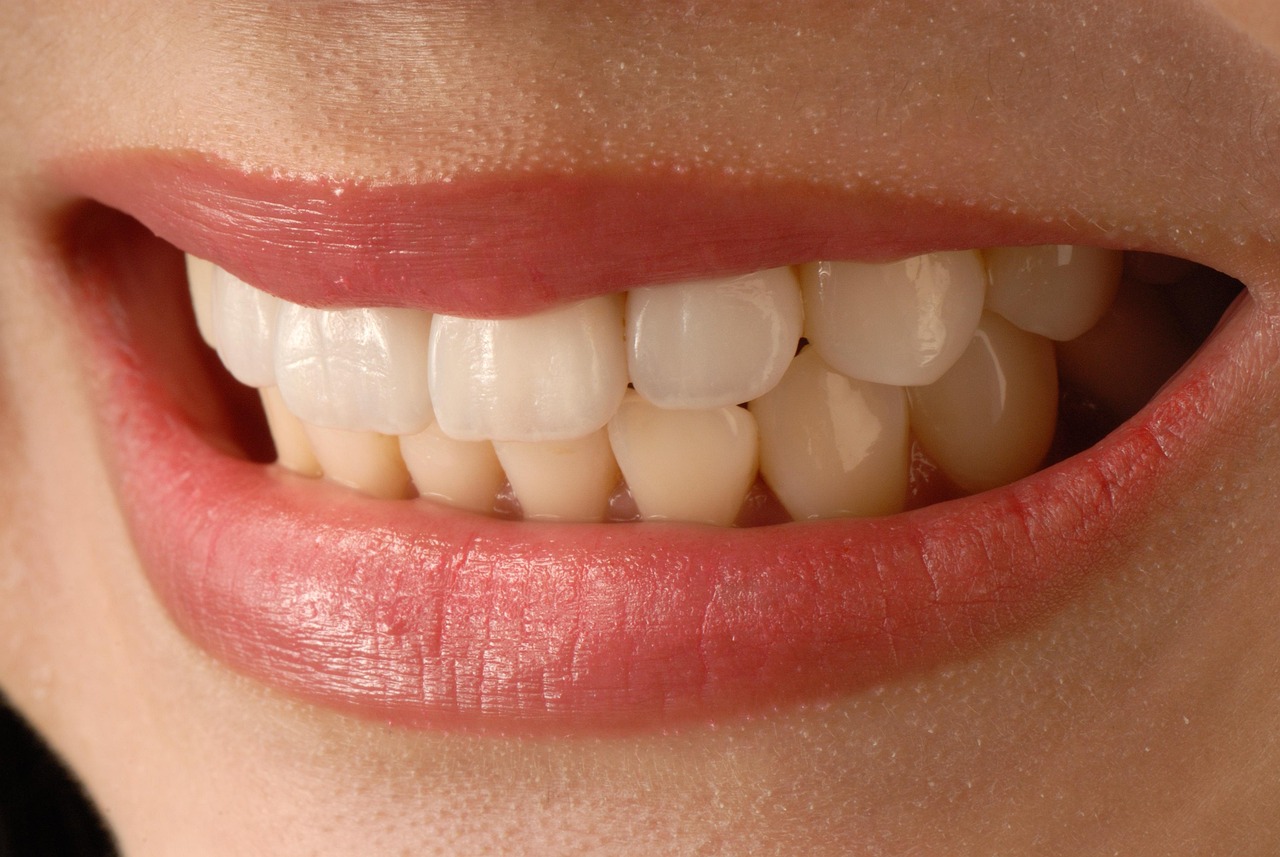
You look in the mirror a few weeks after whitening and start noticing it. The brightness is still there, but it is not as sharp as day one. That can feel frustrating, especially if you spent time and money hoping for results that would stick. You are not imagining it. Teeth whitening is not permanent, and the length of time it lasts depends on more than the treatment itself. A dentist in San Mateo can also help you understand what affects how long your results last.
The short version is simple. Your habits, the type of stains you had to begin with, your enamel, your oral care routine, and whether you chose professional treatment or an over the counter option all shape how long your smile stays lighter. If you understand those moving parts, you can make whitening results last longer and avoid the cycle of touch ups that never seem to hold.
The type of whitening treatment affects how long whitening results last
Not all whitening works the same way. Professional whitening from a general and family dentist usually lasts longer than strips or whitening toothpaste because the products are stronger and the treatment is tailored to your teeth. Over the counter products can help with mild surface stains, but they often produce subtler changes that fade faster.
This is where people get disappointed. If your teeth have deeper discoloration from age, old staining, or certain medications, a store bought product may not do much beyond a short lift. You may think whitening “did not work,” when the real issue is that the method was too limited for the kind of stain you had.
The American Dental Association’s overview of tooth whitening explains that whitening options vary in strength and supervision, which affects both safety and results. That difference matters if you want a smile that stays brighter for months instead of days.
Food and drink choices can shorten teeth whitening longevity
Coffee, tea, red wine, cola, tomato sauce, berries, and curry all leave their mark. Right after whitening, teeth can be more likely to pick up color again, so those first 24 to 48 hours matter. If you go straight back to dark drinks and richly pigmented foods, stains can return faster than you expected.
You do not need a joyless diet. You do need honesty about your routine. If you sip coffee all morning, drink iced tea in the afternoon, and finish with red wine at night, your results will fade sooner. Using a straw for cold dark drinks, rinsing with water after meals, and limiting frequent exposure can make a real difference.
This is one of the biggest reasons how long teeth whitening lasts varies so much from person to person. The treatment may be the same, but the daily stain load is not.
Smoking and tobacco use stain teeth faster after whitening
Tobacco is hard on whitening results. Cigarettes, cigars, and smokeless tobacco all contribute to stubborn staining, and the discoloration can return quickly even after a successful whitening treatment. If you smoke regularly, the issue is not just that whitening fades. It often fades unevenly, which can make teeth look dull or blotchy.
That can turn whitening into an expensive cycle. You whiten, stains return, you whiten again, and sensitivity may increase over time if you are not careful. If quitting feels out of reach right now, even cutting back and rinsing after tobacco use can help reduce the speed of restaining.
Your enamel and natural tooth color shape whitening duration
Some teeth hold a brighter look longer because the enamel is smoother and healthier. Others pick up stains more easily because enamel has worn down over time. Natural tooth color matters too. Teeth with yellow toned stains often respond better to whitening than gray or brown discoloration.
Age plays a role here as well. As enamel thins, more of the darker dentin underneath shows through. Whitening can still help, but results may not look as dramatic or last as long as they did years ago. This is one reason teeth whitening longevity is never one size fits all.
Daily oral care helps whitening results stay cleaner longer
Plaque holds onto stains. If brushing and flossing slip, discoloration usually returns sooner. Good home care does not freeze whitening results in place, but it slows down the buildup that makes teeth look darker again.
The basics still matter most. Brush twice a day with a fluoride toothpaste, floss daily, and keep up with cleanings. The ADA’s guidance on home oral care supports that routine because it helps control plaque and surface staining. Whitening toothpaste can help maintain results, but it is not a substitute for a full oral hygiene routine.
Decay and untreated dental problems can also get in the way. If your mouth is not healthy, whitening may be delayed or less predictable. The National Institute of Dental and Craniofacial Research offers helpful information about tooth decay, including why prevention matters for long term oral health and appearance.
Touch ups and dental checkups often determine how long a brighter smile lasts
Whitening is usually maintenance, not a one time event. Some people need a touch up every few months. Others can go a year or more. The difference often comes down to staining habits and whether they keep up with dental visits. Regular checkups help catch buildup, polish away surface stains, and make sure sensitivity or gum irritation is not being ignored.
|
Whitening Option |
Typical Strength |
How Long Results May Last |
Best Fit |
|---|---|---|---|
|
Professional in office whitening |
Higher |
About 6 months to 3 years with maintenance |
Deeper stains and faster results |
|
Custom take home trays from a dentist |
Moderate to high |
Several months to 2 years with maintenance |
People who want control and stronger support |
|
Whitening strips or gels |
Lower to moderate |
About 1 to 6 months |
Mild surface stains |
|
Whitening toothpaste |
Low |
Short term surface stain control |
Maintenance, not major whitening |
Three practical steps can help your whitening results last longer
1. Cut down your biggest stain source. If coffee, tea, or tobacco is part of your daily routine, start there. You do not need to eliminate everything at once. Reducing frequency often helps more than people expect.
2. Tighten up your home care. Brush twice a day, floss daily, and rinse with water after dark foods or drinks. This is the simplest way to support whitening results without adding another product to your bathroom counter.
3. Ask your dentist for a maintenance plan. A general and family dentist can tell you whether you need touch ups, a different whitening method, or treatment for issues like enamel wear or decay that may be affecting your results.
You may also like: Hearing Clinic in Merrylands: When Should You Book a Visit?
A brighter smile can last, but it lasts best when the treatment matches your teeth and your habits support it. If your whitening has faded faster than you hoped, that does not mean you failed or that the treatment was pointless. It usually means a few specific factors need attention, and those can often be adjusted with the right dental guidance.
