
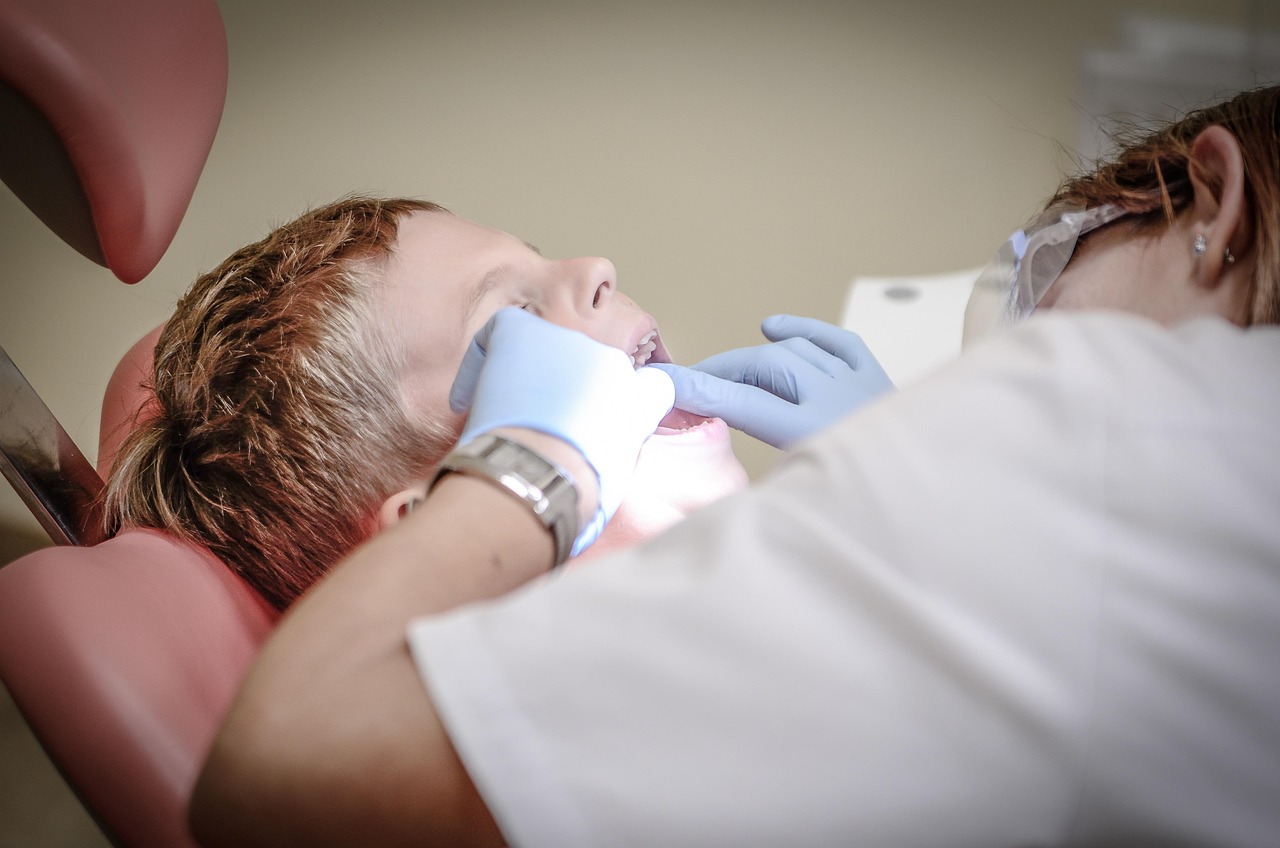
You notice the sore, wait a few days, and hope it fades. Then it comes back, or a new one shows up in the same general area. After a while, it stops feeling like a small annoyance and starts feeling unsettling. That reaction makes sense. A North York dentist can help evaluate recurring mouth sores. Recurring mouth sores can interfere with eating, talking, brushing, and sleep, and they can leave you wondering whether you are overreacting or missing something serious.
A Family Dentist’s Role In Checking Mouth Sores That Keep Returning is often simple at first. A family dentist looks at the sore itself, checks the nearby tissues, asks how often it returns, and looks for patterns that point to irritation, infection, stress, immune issues, or something that needs faster attention. Many sores are harmless and short lived, including canker sores and fever blisters. The concern is not every sore. The concern is the sore that keeps coming back, lasts too long, changes in appearance, or does not match a common pattern.
Recurring mouth sores deserve a closer look when the pattern changes
A sore inside your mouth can come from something as ordinary as biting your cheek, a rough tooth edge, braces, dry mouth, or a strong toothpaste. Some sores are linked to canker sores. Others are fever blisters caused by herpes simplex virus. The National Institute of Dental and Craniofacial Research explains the differences between fever blisters and canker sores, and that distinction matters because they do not behave the same way or appear in the same places.
Still, repeated sores should not be brushed aside just because you have had them before. A family dentist is trained to spot the details people usually miss, including whether the edges look smooth or irregular, whether the sore sits near a source of friction, whether the tissue around it looks inflamed, and whether there are swollen lymph nodes or other changes nearby. That exam can prevent weeks of guessing.
You may already know the cycle. It stings when you eat citrus or spicy food, you switch to soft foods for a few days, it improves, and then it returns a month later. Or maybe it is not painful at all, which can feel even more unsettling because painless sores are easy to ignore. That is one reason regular dental exams matter. The American Dental Association stresses that dental examinations are crucial in early oral cancer detection. A family dentist does more than check teeth. They also check the soft tissues of your mouth, tongue, lips, cheeks, and gums.
A family dentist can separate common irritation from warning signs
Most recurring sores are not cancer. That said, some persistent lesions need prompt evaluation, especially if they last more than two weeks, bleed easily, feel firm, appear white or red, or come with trouble swallowing, numbness, ear pain, or unexplained weight loss. The National Cancer Institute outlines signs and treatment information for lip and oral cavity cancer, which is why a dentist may recommend a biopsy or referral when a sore does not heal as expected.
This is where a family dentist checking recurring mouth sores becomes more than a routine visit. The goal is not to alarm you. The goal is to avoid delay. If the sore is caused by friction from a filling, crown, denture, or broken tooth, your dentist can often fix the source. If the pattern suggests canker sores, they may discuss triggers such as stress, trauma, nutritional gaps, or certain products. If the sore looks suspicious, they can move you toward the right next step instead of leaving you to monitor it alone.
Mouth sore evaluation by a dentist is also useful for children, teens, adults, and older adults because the causes can vary by age, habits, medications, and health history. A child may have recurring sores tied to accidental trauma or viral illness. An adult may have sores linked to stress, tobacco, dry mouth, or a sharp dental surface. An older adult may have medication related dryness or an appliance that rubs the same spot over and over.
Home monitoring helps, but it does not replace a dental exam
|
What You Notice at Home |
What a Family Dentist Checks |
Why It Matters |
|---|---|---|
|
Sore returns in the same area |
Sharp tooth edges, restorations, bite trauma, denture fit |
Removes a repeat source of irritation |
|
Sore lasts more than 2 weeks |
Tissue texture, border shape, color changes, need for referral |
Persistent lesions need closer evaluation |
|
Pain with eating or brushing |
Ulcer depth, inflammation, signs of infection |
Guides treatment and pain relief |
|
White, red, or mixed patches |
Pattern and spread of abnormal tissue |
Some changes are not simple sores |
|
Repeated “canker sores” |
Frequency, triggers, nutrition and health history review |
Helps identify patterns and reduce recurrence |
Photos on your phone, symptom notes, and tracking what you ate or used before a flare can help. They do not replace an exam. Sores can look different in person under proper lighting, and texture matters as much as color. That is hard to judge on your own. A dentist for mouth sores can compare what you describe with what they see clinically and decide whether the sore fits a common pattern or needs more investigation.
Three steps you can take right away
1. Track the sore like it matters. Write down when it started, where it is, whether it hurts, what seems to trigger it, and whether it heals fully between episodes. Take clear photos every few days. If it stays longer than two weeks or returns often, bring that record to your appointment.
2. Remove obvious irritants. Switch to a soft toothbrush, avoid spicy or acidic foods during a flare, and check for anything that rubs the area, including broken teeth, rough fillings, or appliances that feel off. Do not keep waiting if the sore sits next to a spot that constantly gets scraped.
3. Schedule a family dentist visit when the sore is active if possible. A live exam gives the clearest picture. If the sore comes and goes quickly, bring recent photos. Mention any tobacco use, recent illness, new medications, dry mouth, or stress because those details can change the likely cause.
Early attention brings clarity and peace of mind
When a sore keeps returning, the hardest part is often the uncertainty. You do not need to guess your way through it. A family dentist can identify common causes, correct sources of irritation, and recognize the signs that call for faster follow up. Most recurring sores turn out to be manageable. The point is to know which ones are routine and which ones should never be left to chance.
You may also like: Why Family Dental Visits Are A Good Time To Review Daily Routines
If you have a mouth sore that keeps coming back or has not healed, schedule an exam with a family dentist and get a clear answer.
