
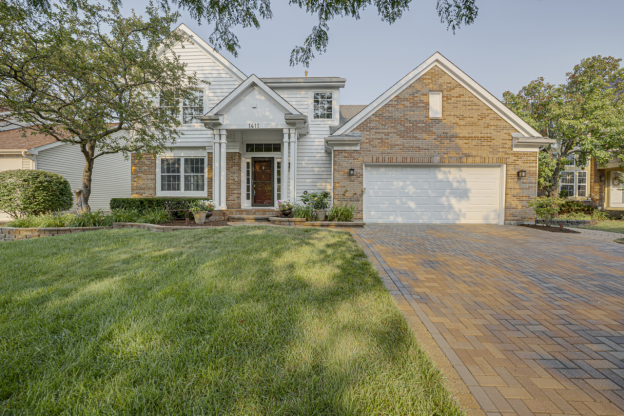
Buying a newly built home can offer a different experience from purchasing an older property. Modern layouts, newer systems, energy-conscious features, and customization options can make new construction appealing to buyers who want fewer immediate renovation concerns. At the same time, a new home purchase involves more than choosing a floor plan and signing a contract.
The builder, location, total cost, upgrade options, construction timeline, warranty, and inspection process all deserve careful attention. Buyers also need to distinguish between the advertised base price and the amount they may ultimately spend.
For buyers exploring new homes aurora il, understanding these factors can make it easier to compare properties and determine whether new construction fits their financial and lifestyle goals.
Why Are Buyers Considering New Construction in Aurora?
New construction can appeal to buyers who want a home designed around current preferences rather than adapting an older property. New developments may also provide access to contemporary community features and updated infrastructure.
Modern Layouts
New homes are often designed around current household needs. Open living areas, larger kitchens, dedicated workspaces, additional storage, and flexible rooms may be incorporated into newer floor plans.
Buyers should still examine how a particular layout works for their household. A larger floor plan is not automatically more functional. Room placement, storage, natural light, privacy, and traffic flow can all affect everyday comfort.
Energy-Efficient Features
Newer homes may include updated insulation, windows, heating and cooling equipment, lighting, appliances, and other features designed to improve energy performance.
These features can potentially contribute to more predictable operating costs, although buyers should review the actual specifications rather than assuming every new home has identical efficiency standards.
New Systems and Materials
A newly constructed property generally starts with new major systems and building materials. This can reduce concerns associated with the immediate replacement of aging equipment found in some older homes.
However, new does not mean maintenance-free. Buyers should understand what systems are installed, which manufacturers provide them, and what warranties apply.
Customization Opportunities
Depending on the stage of construction, buyers may have choices involving flooring, cabinets, countertops, fixtures, paint, appliances, and other finishes.
Customization can make a home feel more personal, but upgrades can also increase the final purchase price significantly. Buyers should establish a firm budget before selecting optional features.
What Types of New Homes Are Available in Aurora, IL?
New construction is not limited to one type of property. Buyers may find different housing formats depending on the development and location.
Single-Family Homes
Single-family homes generally provide private living space and may include garages, yards, basements, or additional storage.
Buyers should consider the complete ownership responsibility, including exterior maintenance, landscaping, utilities, and future repairs.
Townhomes
Townhomes can offer a balance between private space and shared community maintenance. Some developments may include association services covering specific exterior or common-area responsibilities.
Monthly association fees, rules, reserve funds, and maintenance responsibilities should be reviewed before purchasing.
New Subdivisions
New subdivisions can provide multiple floor plans, community amenities, and homes built within the same general development.
Buyers should examine not only the individual property but also the overall development plan. Future construction can affect traffic, nearby views, access routes, and neighborhood character.
Different Floor Plan Options
Builders may offer several layouts within the same community. Comparing them carefully can reveal differences in storage, bedroom placement, kitchen configuration, garage size, and usable living space.
A floor plan should be evaluated based on how it supports your needs rather than simply how large it appears on paper.
What Should You Know About the Cost of a New Construction Home?
The advertised price of a new home may not represent the final amount you will pay. Buyers should request a detailed breakdown of all expected expenses before making a commitment.
Base Purchase Price
The base price usually covers a defined set of features and finishes. Buyers should ask for a written specification sheet showing exactly what is included.
This prevents confusion when comparing one builder or floor plan with another.
Lot Premiums
Some lots may cost more because of their size, location, views, positioning, or other characteristics. A preferred lot can therefore increase the total purchase price beyond the advertised base amount.
Upgrades
Optional finishes can add considerably to the final price. Cabinets, flooring, appliances, bathroom fixtures, countertops, lighting, structural changes, and other selections may carry additional charges.
Review each upgrade individually and track the cumulative cost as selections are made.
Closing Expenses
Buyers should budget for closing-related costs in addition to the purchase price. Depending on the transaction, these may include lender charges, title services, recording costs, taxes, insurance, and other expenses.
Homeowners Association Costs
A new development may have homeowners association fees. These costs can cover certain community services or maintenance responsibilities.
Buyers should review current fees, association rules, included services, and available financial information before purchasing.
Which Features Should You Evaluate Before Choosing a Builder?
The builder can have a major influence on the construction experience and final quality of the home.
Construction Quality
Ask about construction standards, materials, major systems, and quality-control procedures. Buyers should understand which features are standard and which are optional.
A home should be evaluated based on documented specifications rather than marketing language alone.
Included Specifications
Request a detailed list of included appliances, fixtures, flooring, windows, doors, insulation, HVAC equipment, and other major components.
This makes it easier to compare different homes accurately.
Warranty Coverage
Understand what the builder’s warranty covers, how long coverage lasts, and how warranty claims are handled.
Ask about exclusions and the process for reporting construction-related concerns after closing.
Builder Reputation
Research the builder’s history, customer feedback, completed communities, and communication practices. Consistent construction and responsive service can make the overall purchasing experience more predictable.
Completion Timelines
Construction schedules can change because of materials, labor, inspections, weather, permitting, and other factors.
Ask how the builder handles delays and what the contract says about changes to the anticipated completion date.
What Should Buyers Know About New Construction Contracts?
New construction contracts can contain terms that differ from standard resale transactions. Buyers should read the agreement carefully and obtain appropriate professional advice before signing.
Builder-Specific Terms
Builders may use their own contracts and procedures. These documents can address construction timelines, specifications, changes, inspections, financing, closing requirements, and remedies.
Do not assume that a familiar real estate term has identical implications in every contract.
Deposits
Understand when deposits are required, whether they are refundable, and under what circumstances they may be retained.
The financial consequences of cancelling a purchase can depend on the contract.
Upgrade Agreements
Upgrades should be documented clearly, including their price and any effect on the construction schedule.
Keep records of selections, invoices, and approved changes throughout the process.
Financing Requirements
Buyers should understand the lender’s requirements and how construction progress may affect financing or final approval.
A preapproval is useful, but buyers should continue communicating with their lender as the transaction progresses.
Closing Conditions
The contract may establish conditions that must be satisfied before closing. Buyers should understand the required inspections, documentation, financing steps, title work, and other closing requirements.
How Can You Evaluate the Location of a New Development?
A newly built home may be attractive, but its location remains a major part of the purchase decision.
Transportation
Consider commuting routes, public transportation, road access, and travel times to places you regularly visit.
A home that fits your budget but creates an impractical daily commute may not provide the lifestyle benefits you expect.
Schools and Amenities
Families should research relevant school information and consider proximity to parks, recreation, healthcare, grocery stores, restaurants, and other services.
Verify current information through appropriate local sources.
Future Development
A developing area can change significantly over time. Buyers should research planned roads, commercial projects, additional housing, public facilities, and other nearby development where information is available.
Future construction may affect traffic, accessibility, and neighborhood character.
Neighborhood Connectivity
Consider sidewalks, roads, community facilities, nearby services, and how easily residents can access surrounding areas.
The usefulness of a location depends on how well it connects with your daily routines.
Should You Get an Independent Home Inspection on a New Home?
A new construction home can still benefit from an independent inspection. New materials and systems do not guarantee that every component has been installed correctly.
Why Inspection Still Matters
An independent inspector can evaluate visible elements of the property and identify concerns that may need attention before closing.
Inspection findings can also provide buyers with documentation for discussions with the builder.
Pre-Drywall Inspection
Depending on the construction stage, a pre-drywall inspection may allow an inspector to review components that will later become concealed.
This can provide an additional layer of visibility into construction before interior walls are completed.
Final Inspection
A final inspection can identify items that need correction before closing. Buyers should understand their contract and coordinate inspection timing appropriately.
Warranty Documentation
Keep inspection reports, builder communications, warranties, manuals, and repair records after closing. These documents can be useful if questions arise later.
Questions to Ask Before Buying a New Home in Aurora
Before signing a contract, buyers should have clear answers to several practical questions.
What Is Included in the Base Price?
Request a written specification list. Confirm which appliances, fixtures, finishes, landscaping elements, and structural features are included.
Which Upgrades Cost Extra?
Ask for pricing on every optional feature and keep a running total. Small individual upgrades can add up quickly.
What Is Covered by the Warranty?
Understand the duration, coverage, exclusions, and process for submitting claims.
What Happens if Construction Is Delayed?
Ask how delays are handled, whether the anticipated closing date can change, and what rights or obligations each party has under the contract.
What Are the Total Monthly Costs?
Estimate more than the mortgage payment. Include property taxes, insurance, utilities, association fees, and an allowance for maintenance.
For buyers who want to explore real estate technology and property search options, IvyGro provides a platform designed to support consumers during the real estate process.
Buyers who need additional information can also use the contact page to reach the team.
Frequently Asked Questions
1. Are new construction homes in Aurora, IL more expensive than existing homes?
Not necessarily. Pricing varies by location, size, builder, lot, specifications, upgrades, and market conditions. Buyers should compare the complete cost of ownership rather than comparing base prices alone.
2. Can I negotiate the price of a new construction home?
Negotiation depends on the builder, development, market conditions, inventory, and timing. Even when the base price is less flexible, there may be differences in available incentives, upgrades, or other terms. Buyers should review the complete offer rather than focusing only on the advertised price.
3. Should I hire an independent inspector for a new construction home?
An independent inspection can provide an additional review of the home’s condition. Buyers may also consider a pre-drywall inspection when the construction stage allows it, followed by a final inspection before closing.
4. What should I budget for besides the purchase price?
Consider the down payment, closing expenses, property taxes, homeowners insurance, association fees, utilities, upgrades, and future maintenance. Keeping a reserve for unexpected costs can also provide greater financial flexibility.
5. What should I research about a new development before buying?
Research the builder, construction specifications, contract terms, warranty, association fees, transportation, schools, nearby amenities, and planned development. Looking beyond the individual home can help you understand the broader value and practicality of the location.
