
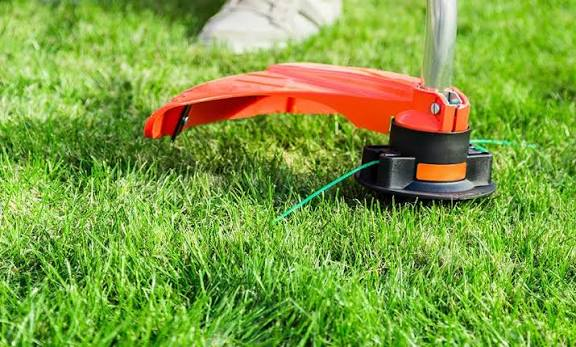
A well-maintained garden requires reliable and efficient garden tools, among which a grass trimmer plays a key role. The performance of a grass trimmer highly depends on the quality and suitability of the trimmer line used. Selecting the appropriate trimmer line can significantly improve the ease and effectiveness of trimming tasks.
Understanding Trimmer Line
Trimmer line is the cutting component of a grass trimmer, traditionally made from nylon or other polymers. It spins at high speeds to cut grass and light vegetation along the edges or difficult-to-reach areas of lawns. The diameter, shape, and material of the trimmer line affect its cutting efficiency and durability.
Types of Trimmer Line
There are several types of trimmer line available, each designed to meet different garden maintenance needs. The most common types include round, square, twisted, and serrated lines. Understanding the differences between these types helps users choose the right one for specific tasks.
Round Trimmer Line
Round trimmer line is the most popular choice due to its balance between cutting capability and durability. It is suitable for general trimming and lighter grass cutting. However, it may wear out faster when used for tougher vegetation.
Square and Serrated Lines
Square and serrated trimmer lines are designed for more aggressive cutting. Their edges are sharper and can cut through thicker weeds and tougher grasses effectively. These lines usually offer better longevity but may require a more powerful trimmer to operate efficiently.
Twisted Trimmer Line
Twisted trimmer line offers enhanced strength and impact resistance. This makes it a practical choice in gardens with dense or woody plants where the line may encounter harder obstacles.
Selecting the Diameter of Trimmer Line
The diameter of the trimmer line significantly influences its cutting power and compatibility with the trimmer. Common diameters range from 1.3 mm to 3.0 mm. Thinner lines are ideal for lighter trimming tasks and less powerful machines, while thicker lines deliver stronger cutting ability but require trimmers with higher power ratings.
Using a trimmer line that is too thick for the machine can cause damage or inefficient operation. It is important to consult the garden tool’s manual to determine the recommended line diameter.
Material Considerations
Most trimmer lines are made from nylon; however, some variants incorporate additives like aluminium oxide or are formulated with more durable plastics to increase wear resistance. Choosing a trimmer line with enhanced material properties can extend its lifespan and reduce replacement costs.
Compatibility with Garden Tools
Before purchasing trimmer line, it is essential to verify its compatibility with the specific brand and model of the grass trimmer. Some garden tools may only support specific sizes or types of line. Trimmer line suppliers often provide detailed product descriptions advising on compatibility, which assists users in making an informed decision.
Environmental and Usage Factors
Consideration should also be given to the environment in which the trimmer will be used. For instance, trimming around flower beds or delicate plants requires a line that offers precision and reduces the risk of damage. In contrast, larger open areas with coarse grass demand a more robust trimmer line.
Cost and Durability
While cost is a factor for many users, choosing the cheapest trimmer line may not always be the most economical in the long term. Lines that wear out rapidly will require frequent replacement, increasing overall expenses. Investing in a higher quality trimmer line can provide better performance and value.
Safety Considerations
Proper use of the trimmer line also contributes to safety during garden maintenance. Selecting the correct class of trimmer line recommended by the manufacturer ensures operational stability. Additionally, suitable lines reduce kickback and breakage, minimising hazards caused by flying debris.
Storage and Handling of Trimmer Line
Storing trimmer line correctly helps maintain its flexibility and strength. It should be kept in a cool, dry place, away from direct sunlight and extreme temperatures. Proper handling during installation ensures the line feeds correctly through the trimmer head and functions efficiently.
Tips for Changing and Feeding Trimmer Line
Changing trimmer line involves winding the line correctly onto the trimmer spool. Many manufacturers provide clear instructions or videos for this process. Correctly feeding the line prevents tangling and breakage, which can interrupt work and cause frustration.
Common Mistakes When Choosing Trimmer Line
One common mistake is using a trimmer line incompatible with the tool’s power or specifications. Another is underestimating the line’s durability needs based on garden conditions. Selecting unnecessarily thick or specialised line for light tasks can lead to inefficient operation and increased wear on the trimmer motor.
Where to Purchase Quality Trimmer Line
Obtaining quality trimmer line from reputable suppliers is crucial. Websites specialising in garden tools offer a wide selection and detailed guidance. For instance, trimmer line collections provide diverse options catering to various garden maintenance scenarios.
Conclusion
Choosing the best trimmer line involves evaluating the specific needs of the garden, the type of grass or vegetation, compatibility with the trimmer, and considerations of durability and cost-effectiveness. By selecting an appropriate and high-quality trimmer line, users can maximise the performance of their garden tools, ensuring neat and efficient trimming.
Regular maintenance and correct handling further extend the lifespan of both the trimmer line and the tool itself, supporting a well-kept and attractive garden.
