
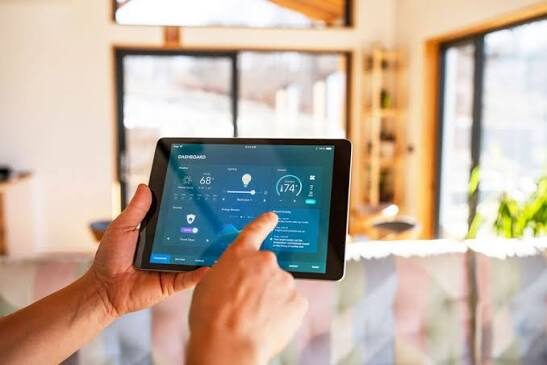
Smart homes promise convenience, energy savings, and a touch of futuristic living. But between that promise and a fully functioning setup lies a minefield of common mistakes—most of which are entirely avoidable. Whether you’re installing your first smart bulb or building out a whole-home system, getting the fundamentals right from the start saves time, money, and frustration. Sound Effects is here to walk you through the pitfalls that trip up even the most enthusiastic DIYers.
Mistake 1: Inadequate Planning
Not Assessing Compatibility
One of the most frequent missteps in smart home installation is assuming all devices work together. They don’t. Smart speakers, thermostats, lights, and locks often operate on different ecosystems—Google Home, Amazon Alexa, Apple HomeKit—and not all of them play nicely with each other. Before buying anything, map out which platform you’ll anchor your system to, then verify that every device you’re considering is compatible with it.
Overlooking Network Requirements
A smart home is only as smart as its network. Streaming video doorbells, smart thermostats, and voice assistants all compete for bandwidth. A congested or poorly configured router leads to lag, dropouts, and devices that simply go offline. Sound Effects recommends auditing your current internet speed and router placement before installation begins—not after things start failing.
Mistake 2: Ignoring Security
Weak Passwords and Default Settings
This one is surprisingly common. Many homeowners set up smart devices using default usernames and passwords straight out of the box, leaving them wide open to unauthorized access. Every connected device is a potential entry point. Use strong, unique passwords for each device and enable two-factor authentication wherever possible.
Neglecting Software Updates
Manufacturers release firmware updates for a reason—often to patch security vulnerabilities. Skipping updates might seem harmless, but outdated software is a known risk. Sound Effects strongly advises enabling automatic updates or setting a monthly reminder to check for them manually. Staying current is one of the simplest ways to protect your smart home.
Mistake 3: Poor Device Placement
Suboptimal Wi-Fi Signal
Where you place a device matters as much as which device you choose. A smart lock installed near thick concrete walls or far from your router will struggle to maintain a reliable connection. Before mounting anything permanently, test the Wi-Fi signal strength at the intended location using your phone. If the signal is weak, consider a mesh network or Wi-Fi extender first.
Sensor Interference
Motion sensors and environmental monitors are particularly sensitive to placement. A motion sensor positioned near a heating vent might trigger false alarms. A temperature sensor placed in direct sunlight will give inaccurate readings. Think carefully about what each sensor is measuring and what environmental factors might interfere with it.
Mistake 4: Overcomplicating the Setup
Too Many Devices at Once
The excitement of building a smart home can lead to overbuying. Introducing too many devices simultaneously makes troubleshooting a nightmare—if something goes wrong, you won’t know where to start. A smarter approach is to add one or two devices at a time, confirm they’re working correctly, and then expand from there.
Neglecting User-Friendliness
A smart home should make life easier for everyone in the household, not just the person who set it up. If your system requires a manual to operate, it’s too complicated. Sound Effects encourages building automations and routines that are intuitive—simple voice commands, clearly labeled scenes, and a single app to control everything where possible.
Build It Right the First Time
Smart home installation doesn’t have to be a frustrating experience. Most problems stem from skipping the planning phase, underestimating security risks, or trying to do too much too soon. By approaching the process methodically—and leaning on the expertise of Sound Effects when needed—you can build a system that’s reliable, secure, and genuinely enjoyable to use.
If you’re unsure where to start or want to future-proof your setup, professional guidance makes a significant difference. A well-installed smart home isn’t just convenient today; it’s built to grow with the technology of tomorrow.
