
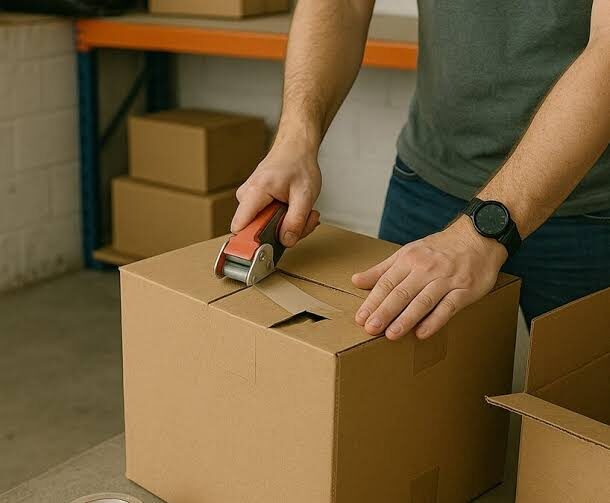
Packing for storage may seem simple, but small mistakes can lead to damaged furniture, broken valuables, or items that deteriorate over time. Whether belongings are being stored for a few months or several years, proper preparation is just as important as choosing the right storage space. A well-packed storage unit keeps possessions organized, protected, and easy to access whenever they are needed.
Using Weak or Mismatched Boxes
One of the biggest packing mistakes is relying on worn-out cardboard boxes or using boxes of different sizes. Weak boxes can collapse under pressure, while uneven stacks become unstable and increase the risk of items falling.
Instead, use sturdy boxes that are similar in size. Uniform boxes stack securely and make better use of available space. Heavy items should always go into smaller boxes, while lighter belongings can be packed in larger ones. Storage experts also recommend placing heavier boxes at the bottom and lighter ones on top to prevent crushing.
Forgetting to Protect Fragile Items
Glassware, mirrors, artwork, and decorative pieces require extra care before going into storage. Simply wrapping them in a blanket or placing them inside a box is often not enough.
To protect fragile items, each one should be wrapped in bubble wrap or packing paper and put in a sturdy box with padding. Making it clear that these boxes are fragile helps keep them safe while you load and unload.
Overpacking Boxes
Many people try to save space by filling every box to its maximum capacity. Unfortunately, overloaded boxes are more likely to split open or become too heavy to lift safely.
A better approach is to distribute weight evenly across multiple boxes. Keeping each container at a manageable weight not only protects the contents but also reduces the chance of accidents when moving them.
Ignoring Moisture Protection
Even in well-maintained facilities, belongings benefit from additional protection against dust and moisture. Wooden furniture, books, clothing, and important documents are particularly vulnerable if packed without protective coverings.
Using plastic covers for mattresses and furniture, sealing documents inside waterproof containers, and placing items on pallets instead of directly on concrete floors can significantly reduce the risk of damage.
Packing Without a Plan
Randomly placing boxes inside a storage unit often creates unnecessary problems later. Frequently used items end up buried behind heavy furniture, making retrieval difficult.
Before moving belongings into the unit, create a simple layout. Leave a narrow walkway for easy access and keep seasonal or commonly needed items near the front. Label every box on multiple sides so contents remain visible regardless of how they are stacked. Maintaining an inventory list also saves time during future visits.
Skipping Furniture Preparation
Furniture should never be placed directly into storage without preparation. Dust, scratches, and trapped moisture can affect its condition over time.
Disassemble large furniture whenever possible, wrap wooden surfaces with breathable moving blankets, and protect upholstered pieces with appropriate covers. Avoid stacking sharp or heavy objects on top of sofas or mattresses because permanent damage can occur during long-term storage.
Using the Wrong Packing Materials
Some people use newspaper to wrap delicate items because it is inexpensive and readily available. However, newspaper ink can transfer onto dishes, collectibles, and decorative items, creating stains that are difficult to remove.
High-quality packing paper, foam sheets, and bubble wrap provide much better protection without leaving unwanted marks. Investing in proper packing materials usually costs far less than replacing damaged belongings.
Choosing Convenience Over Organization
Packing quickly often leads to misplaced items and unnecessary stress later. Small accessories become separated, cables get tangled, and important documents disappear among dozens of similar boxes.
Grouping similar belongings together, labeling clearly, and storing related items in the same section of the unit creates a much more efficient storage experience. Taking a few extra minutes to pack can save you hours of time later when you’re trying to find certain things.
For additional storage preparation guidance and practical packing recommendations, visit https://scottsdale-storage.com/ before organizing your belongings. The resource includes helpful suggestions for maximizing space while protecting stored possessions.
Conclusion
A self-storage unit can keep belongings safe for months or even years, but only when items are packed correctly. Avoiding common mistakes such as using weak boxes, overpacking containers, neglecting moisture protection, and failing to organize the unit greatly reduces the risk of damage. Careful planning, quality packing materials, and thoughtful organization help ensure that valuable possessions remain in excellent condition until they are needed again.
