
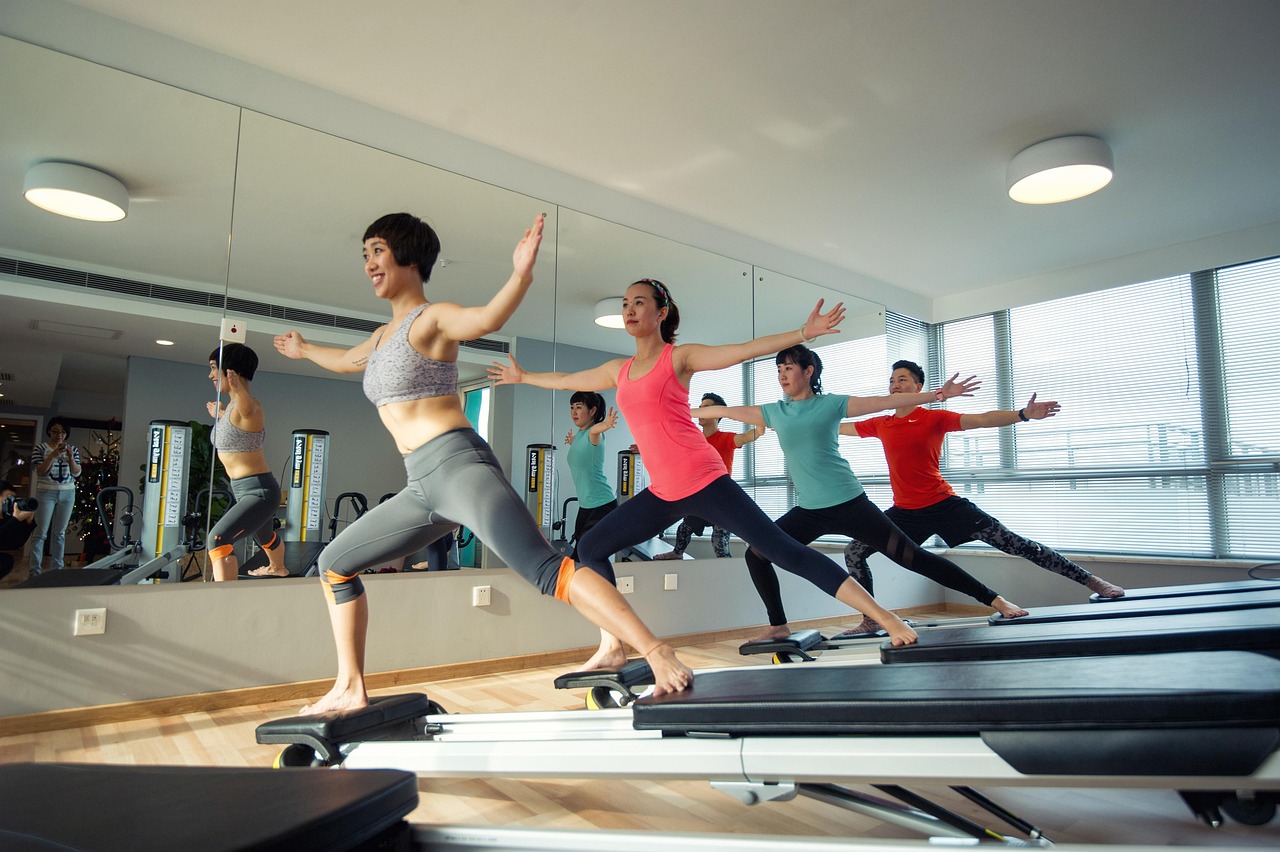
Pilates has become a popular form of exercise known for its focus on improving strength, flexibility, posture, and overall body awareness. Among the various Pilates techniques and equipment, the pilates reformer stands out as a versatile tool that can enhance the effectiveness of workouts. This article explores the numerous benefits of a Pilates reformer workout and why it may be a valuable addition to different fitness routines.
What Is a Pilates Reformer?
A Pilates reformer is a specialised piece of exercise equipment designed to facilitate Pilates movements with added resistance and support. It consists of a flat platform, called a carriage, that moves back and forth on wheels within a frame. Springs beneath the carriage provide adjustable resistance, and straps, pulleys, and bars allow for a wide variety of movements targeting all muscle groups.
Enhancing Core Strength
One of the primary objectives of Pilates is to develop a strong core. The pilates reformer is particularly effective at improving core strength because it provides support while requiring controlled and precise movements. The reformer’s resistance system helps engage deep abdominal muscles and the stabilising muscles around the spine, leading to improved posture and reduced risk of injury.
Improved Flexibility and Range of Motion
A key benefit of reformer exercises is the improvement in flexibility and increased range of motion. The springs and straps assist with gentle stretching while promoting proper alignment during movement. This can be particularly beneficial for individuals recovering from injury or those with tight muscles who may find traditional stretching challenging.
Low-Impact Exercise Suitable for Everyone
The low-impact nature of Pilates reformer workouts makes them suitable for people of various ages and fitness levels. The equipment allows precise control of resistance and movement, minimising joint strain. As a result, it is often recommended in rehabilitation settings or for individuals with arthritis or other joint-related issues. Additionally, the reformer can be adapted to increase intensity and challenge more advanced practitioners.
Balanced Muscle Development
Traditional strength training can sometimes lead to muscle imbalances due to overuse of certain groups. Pilates reformer workouts promote balanced muscle development by emphasising symmetrical movement patterns and full-body engagement. This helps improve muscular balance and coordination, which are essential for optimal physical performance and injury prevention.
Enhanced Posture and Body Alignment
Regular reformer training encourages awareness of body positioning and alignment. The controlled environment of the reformer enhances proprioception, which is the body’s ability to sense its position in space. As a result, many participants note significant improvements in their posture, reduced muscular tension, and decreased incidence of back and neck pain.
Building Functional Strength
The Pilates reformer focuses on functional movements that mimic real-life activities. This training develops strength and flexibility that transfer effectively to everyday tasks, sports, and other physical activities. Rather than isolating muscles, reformer exercises emphasize coordinated muscle engagement for efficient and fluid movements.
Customisable Resistance and Intensity
One of the strengths of the pilates reformer is its ability to provide variable resistance through adjustable springs. Pilates instructors can tailor workouts to individual needs, abilities, and rehabilitation goals. This customisability ensures that both beginners and advanced users can benefit from reformer training in a safe and effective manner.
Promotes Mind-Body Connection
Pilates emphasises mindful movement and breath control, both of which are enhanced when using the reformer due to the precise and deliberate nature of the exercises. This focus helps improve concentration, reduce stress, and cultivate a greater sense of body awareness, contributing to enhanced mental wellbeing alongside physical fitness.
Supports Injury Rehabilitation
Given its low-impact approach and emphasis on controlled, balanced movement, reformer Pilates is often used in physical therapy and rehabilitation settings. Specific exercises can be adapted to support recovery from injuries, particularly those involving the back, shoulders, hips, and knees. The reformer’s adjustable resistance and support features enable gradual progression under professional guidance.
Boosts Athletic Performance
Many athletes incorporate Pilates reformer workouts as part of their training regimens. The focus on core strength, flexibility, balance, and posture complements more intensive sport-specific training, helping to improve overall athletic performance and reduce the likelihood of injury. The reformer’s comprehensive approach to body conditioning supports endurance, power, and control.
Encourages Weight Management
While Pilates in general is not a high-calorie-burning exercise like running or cycling, reformer workouts can help support weight management by building lean muscle mass and improving metabolism. Additionally, the enhanced muscle tone and posture contribute to a more efficient energy expenditure throughout daily activities.
Accessible to a Diverse Range of Users
Whether an individual is a senior seeking gentle exercise, a postpartum woman regaining strength, or a young athlete enhancing performance, the pilates reformer offers adaptations appropriate for various populations. This accessibility makes it a valuable tool in many fitness and health contexts.
Working with Professional Instructors
Due to the complexity of reformer equipment and exercises, working with trained Pilates instructors ensures correct technique and maximises the benefits while reducing risk of injury. Professional guidance is especially important for beginners or individuals with specific health conditions.
Conclusion
Also read: 91 Club: Discovering New Marketing Paths in the Digital Gaming World
The Pilates reformer provides a comprehensive and adaptable workout option that addresses strength, flexibility, posture, balance, and mental focus. Its unique design allows it to serve a broad spectrum of users, from those in rehabilitation to high-performance athletes. Through consistent training on the reformer, individuals can experience notable improvements in physical function, wellbeing, and quality of life. Considering these benefits, the Pilates reformer remains a highly effective tool within the Pilates method and general fitness landscape.
