
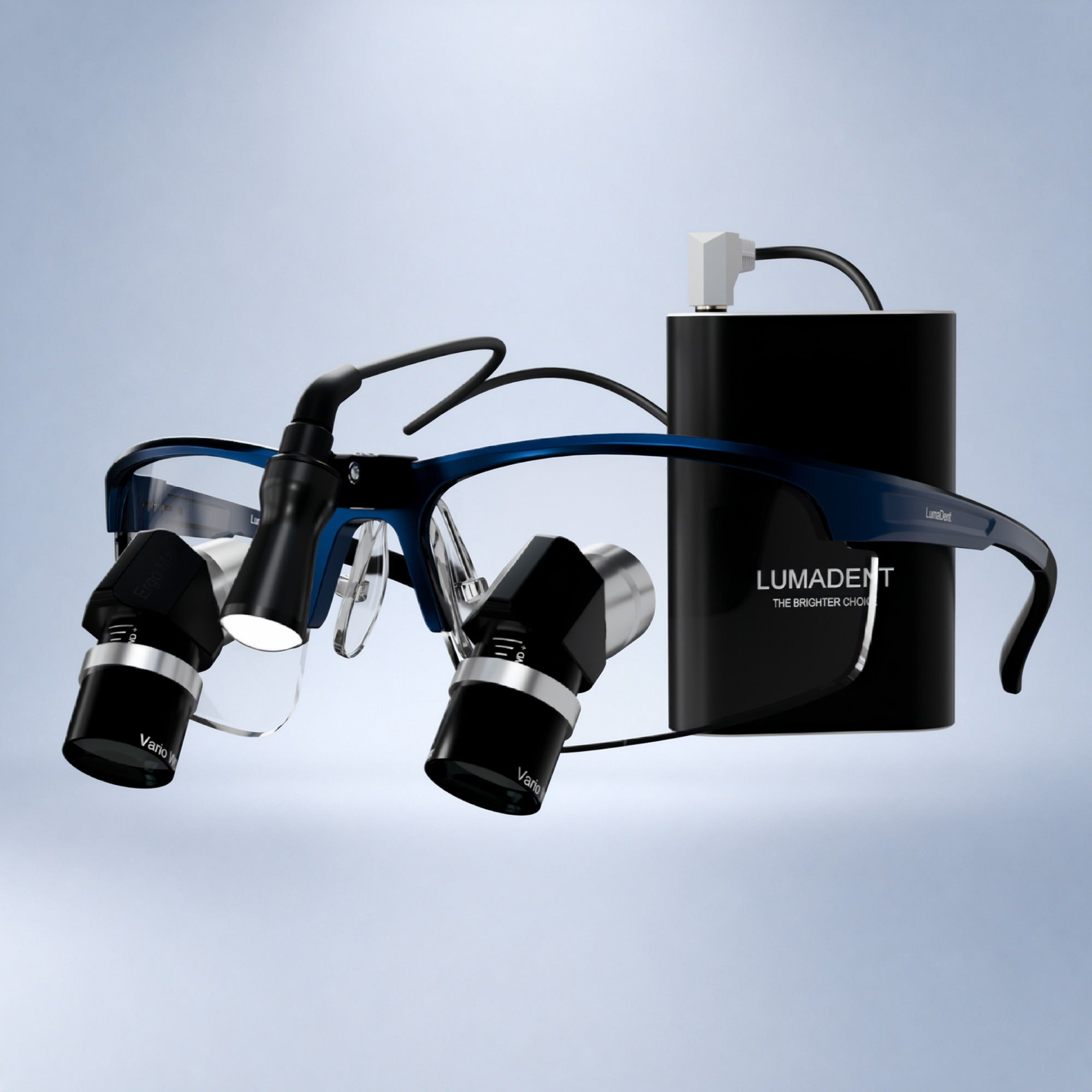
In the field of surgery and various medical disciplines, precision is paramount. The ability to see fine details clearly can significantly impact the quality of patient care and surgical outcomes. One of the primary tools that contribute to enhanced visual accuracy during medical procedures is surgical loupes. These specialised magnifying devices provide surgeons and healthcare professionals with improveda clarity and detailed vision, enabling them to perform intricate tasks with greater confidence and accuracy.
What Are Surgical Loupes?
Surgical loupes are magnification instruments designed to enhance the visual acuity of medical practitioners during procedures. Essentially, they are binocular magnifiers worn like spectacles, which allow for a closer and more detailed view of the operating site. The magnification power of these loupes typically ranges between 2x and 8x, depending on the specific needs of the procedure and user preferences.
The Importance of Enhanced Magnification in Surgery
The ability to magnify the surgical field assists in meticulous manipulation of tissues and instruments. This magnification reduces the risk of errors by allowing surgeons to identify minute anatomical structures and subtle pathology that might otherwise be missed. Improved visibility has a direct effect on reducing complications, shortening operation times, and improving overall patient safety.
Types of Surgical Loupes
Surgical loupes come in a variety of designs, each suited to different surgical and medical applications. The main types include simple loupes, Galilean loupes, and prismatic or Keplerian loupes. Simple loupes are usually low magnification and are often used in dental procedures. Galilean loupes utilise lenses and prisms for enhanced magnification and are popular among general surgeons. Prismatic loupes offer the highest magnification and optical clarity, making them ideal for microsurgery and specialised surgical fields.
Simple and Galilean Loupes
The simpler versions of surgical loupes offer magnifications typically between 2x and 3x. They are generally lightweight and easier to integrate into dental and minor surgical work where moderate magnification is sufficient. Galilean loupes, with their prism systems, offer improved ergonomics and magnification, striking a balance between visual enhancement and comfort.
Prismatic Loupes for Specialised Surgery
Prismatic loupes deliver superior magnification capabilities, often reaching up to 6x or 8x. These are beneficial during microsurgery or procedures demanding the sharpest detail and impeccable accuracy. However, prismatic loupes are usually heavier and require more adjustment to ensure proper alignment with the eyes.
Ergonomics and Surgeon Comfort
One critical consideration when selecting surgical loupes is ergonomics. Extended use of loupes can lead to strain on the neck, shoulders, and eyes if not correctly fitted. High-quality loupes are designed to promote an upright posture by optimising the working distance and declination angle. This design minimises musculoskeletal injuries among medical professionals, enhancing their comfort and endurance during long procedures.
Focal Length and Working Distance
Each surgeon has an ideal working distance— the space between their eyes and the surgical field. Surgical loupes are customisable to match this distance, ensuring that magnification remains accurate without forcing the surgeon into awkward postures. Selecting the correct focal length is vital to maintain clear vision and reduce fatigue. Manufacturers often provide measurements and consultation services to assess these needs prior to purchase.
Illumination Systems Integrated with Loupes
In many surgical procedures, ambient lighting is insufficient to produce optimal visibility. To address this, modern surgical loupes frequently incorporate LED illumination systems mounted directly on the loupe frames. This feature directs bright, focused light precisely where needed, illuminating the surgical site without shadows or glare. Improved lighting combined with magnification significantly elevates surgical precision.
Adjustability and Customisation
Surgical loupes can be tailored to the specific demands of each practitioner. Adjustable interpupillary distance ensures both lenses align perfectly with the user’s eyes for maximum comfort and clarity. Furthermore, different mounting options are available including flip-up models, through-the-lens systems, and specialised clip-ons. Customisation extends to the frame style, magnification power, and illumination capabilities, allowing surgeons and dentists to select a set perfectly suited to their specialty.
Applications Across Medical Specialties
While surgical loupes are widely recognised for their use in general surgery and dentistry, their benefits extend across many medical fields. For example, ophthalmologists, plastic surgeons, and ENT specialists utilize loupes to perform microsurgical interventions. Veterinary surgeons also benefit from the enhanced vision to carry out precise operations on small animals. The adaptability and precision offered by surgical loupes make them indispensable in numerous clinical contexts.
Maintenance and Care of Surgical Loupes
Proper maintenance of surgical loupes is essential to preserve optical clarity and device longevity. Lenses should be cleaned regularly with appropriate solutions and microfiber cloths to avoid scratches. The frames and illumination units require routine inspection to ensure secure fittings and functionality. Investing in high-quality carrying cases and protective covers also extends the lifespan of these valuable tools.
The Impact on Training and Education
In addition to their use in clinical practice, surgical loupes have a vital role in medical education. Medical students and trainees benefit from the enhanced visual feedback provided by loupes, enabling better understanding of anatomy and surgical techniques. By fostering improved hand-eye coordination and attention to detail early in training, loupes contribute to developing higher standards of future practitioners.
Advancements and Technological Innovation
Emerging technologies continue to improve the functionality of surgical loupes. Integration with digital imaging, heads-up displays, and augmented reality headsets exemplify future trends in this field. Nevertheless, the core purpose of surgical loupes — providing clear, magnified vision in a compact, wearable format — remains unchanged. Innovations aim to maximise this concept with better ergonomics, lighter materials, and enhanced optical systems.
Cost Considerations
The investment in surgical loupes can vary significantly based on magnification strength, optical quality, build, and additional features such as illumination. While budget models provide basic functionality, higher-end loupes offer superior vision clarity, comfort, and durability. Organisations and individual practitioners must consider the balance between cost and performance when making selections to ensure optimum value for long-term use.
Choosing the Right Surgical Loupes
Selecting appropriate surgical loupes depends on multiple factors including the specific surgical discipline, desired magnification, working distance, and personal ergonomic preferences. Professional advice and trials are often recommended to ensure the best fit. Ensuring compatibility with other surgical equipment and personal protective devices is also important.
Conclusion
Precision is critical in surgical and medical practice, and surgical loupes play a vital role in enhancing the visual capabilities of healthcare professionals. By providing magnified, clarified views of the surgical site, these devices help improve accuracy, reduce complications, and promote better patient outcomes. Whether for general surgery, dentistry, or specialised microsurgery, selecting the right loupes with attention to ergonomics, magnification, and illumination is indispensable. As technology evolves, surgical loupes will continue to advance, driving improved standards in medical practice.
