
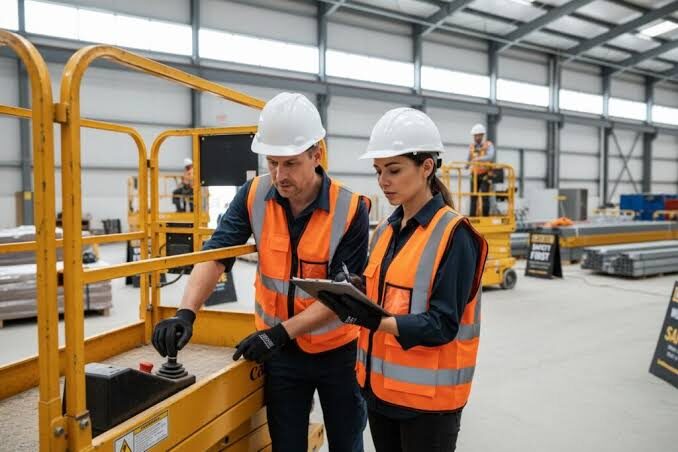
Working at height has always carried risks, but modern scissor lifts have made many tasks safer and more efficient than relying on ladders or scaffolding. Whether you’re painting a ceiling, installing electrical systems, maintaining warehouse equipment, or carrying out construction work, a scissor lift provides a stable platform that allows workers to perform their jobs with greater confidence.
That said, a scissor lift is only as safe as the person operating it. Even the most advanced equipment can become hazardous if basic safety practices are ignored. Most workplace incidents involving elevated work platforms are preventable, and they often happen because someone skipped an inspection, overloaded the platform, or underestimated environmental conditions.
Understanding a few essential safety principles can significantly reduce risks while improving productivity on the job site.
Understand the Equipment Before You Begin
Every scissor lift has its own operating characteristics. Controls may vary slightly between manufacturers, and each model has specific limitations regarding weight capacity, working height, and terrain.
Before using any machine, take time to review the operator’s manual and familiarize yourself with its controls. Even experienced operators should avoid assuming that every lift works exactly the same way.
Knowing how to safely raise, lower, stop, and maneuver the platform before beginning work helps prevent confusion when operating at height.
If you need additional equipment information or technical guidance, read more to explore detailed specifications and operating recommendations before selecting the right machine for your project.
Receive Proper Training
One of the biggest safety mistakes employers make is allowing workers to operate lifting equipment without formal instruction.
Training should include:
- Understanding machine controls
- Recognizing workplace hazards
- Emergency lowering procedures
- Safe driving techniques
- Platform positioning
- Load management
- Daily inspections
Even experienced construction workers should receive equipment-specific training whenever they use a different type of scissor lift.
Confidence should never replace proper knowledge.
Perform a Thorough Pre-Operation Inspection
Every shift should begin with a complete equipment inspection.
Operators should check:
- Hydraulic hoses for leaks
- Tires or wheels for damage
- Guardrails
- Entry gate
- Battery charge or fuel level
- Emergency stop buttons
- Control functions
- Braking system
- Platform floor
- Warning labels
Small mechanical problems often become major safety hazards when the lift is fully elevated.
If anything appears damaged or unusual, remove the equipment from service until it has been inspected and repaired.
Skipping a five-minute inspection is never worth the risk.
Inspect the Work Area
Safe equipment cannot compensate for an unsafe environment.
Walk through the job site before operating the lift.
Look for:
- Uneven surfaces
- Soft ground
- Slopes
- Floor openings
- Debris
- Potholes
- Overhead obstacles
- Low ceilings
- Electrical wires
- Pedestrian traffic
Indoor facilities should also be checked for slippery floors, loading docks, and congested aisles.
Planning your travel path before raising the platform reduces unnecessary movement while elevated.
Never Exceed the Load Capacity
Every scissor lift has a maximum platform capacity that includes:
- Workers
- Tools
- Equipment
- Building materials
Many accidents happen because operators believe “a little extra weight won’t matter.”
Unfortunately, overloading changes the lift’s center of gravity and places excessive stress on hydraulic components.
Always calculate the combined weight before entering the platform.
If additional materials are needed, make multiple trips instead of exceeding the rated capacity.
Wear Appropriate Personal Protective Equipment
Personal protective equipment provides another layer of protection during elevated work.
Depending on the job, PPE may include:
- Hard hats
- Safety boots
- High-visibility clothing
- Protective gloves
- Eye protection
- Hearing protection
Some work environments also require fall protection systems when recommended by regulations or the equipment manufacturer.
PPE should never replace safe operating practices, but it greatly reduces injury severity if an incident occurs.
Keep Both Feet on the Platform Floor
Workers sometimes attempt to gain a little extra reach by standing on buckets, ladders, boxes, or guardrails.
This is one of the most dangerous mistakes an operator can make.
Scissor lifts are engineered with stability based on workers standing directly on the platform floor.
Changing your standing position shifts the center of gravity and dramatically increases the chance of falling.
If the work area cannot be safely reached, lower the platform and reposition the lift instead.
Be Aware of Weather Conditions
Outdoor work introduces additional hazards that may not exist indoors.
Strong winds can affect platform stability, particularly when working near the lift’s maximum height.
Rain creates slippery platform surfaces.
Snow and ice reduce tire traction.
Lightning presents an obvious danger whenever workers are elevated.
Manufacturers specify maximum wind speeds for safe operation.
If weather conditions exceed those limits, postpone the work until conditions improve.
Safety should always take priority over project deadlines.
Stay Clear of Power Lines
Electricity remains one of the leading causes of serious injuries involving aerial work platforms.
Operators should always identify nearby electrical hazards before raising the lift.
Maintain safe clearance distances from energized power lines according to local regulations.
Never assume electrical lines are insulated or inactive.
If there is any uncertainty, treat every overhead line as energized.
Proper planning helps eliminate unnecessary risks before work begins.
Operate Smoothly
Abrupt movements make elevated platforms less stable.
Avoid:
- Sudden starts
- Hard braking
- Sharp turns
- Rapid elevation changes
Operate the controls slowly and deliberately.
Smooth operation not only improves safety but also makes work easier for everyone on the platform.
Rushing rarely saves meaningful time and often increases the likelihood of mistakes.
Keep the Platform Organized
Loose tools become tripping hazards.
Materials scattered across the platform can interfere with controls or create unstable footing.
Store tools neatly and secure larger equipment whenever possible.
Good housekeeping is often overlooked, yet it plays an important role in preventing falls and improving efficiency.
A clean platform allows workers to move confidently without unnecessary distractions.
Never Use a Scissor Lift as a Crane
Scissor lifts are designed to lift people and approved materials—not suspended loads.
Do not attach ropes, chains, winches, or lifting devices to the guardrails.
Attempting to lift external loads can destabilize the machine and damage its structural components.
If heavy lifting is required, use equipment specifically designed for that purpose.
Choosing the right machine is always safer than improvising.
Communicate Clearly with Everyone on Site
Construction sites are busy environments where multiple teams often work simultaneously.
Operators should communicate with nearby workers before moving or raising the platform.
Use agreed-upon hand signals or radios when visibility is limited.
Everyone working nearby should understand where the lift will travel and when overhead work is taking place.
Good communication helps prevent collisions and unexpected hazards.
Report Problems Immediately
Some operators continue using equipment after noticing unusual noises, hydraulic leaks, warning lights, or sluggish controls.
Ignoring these warning signs rarely ends well.
Report mechanical issues immediately.
Taking defective equipment out of service protects not only the operator but everyone working nearby.
Preventive maintenance is far less expensive than dealing with workplace injuries or major equipment failures.
Build a Safety-First Culture
Safe scissor lift operation is not simply about following regulations. It is about developing habits that become second nature.
Experienced operators know that every job site presents different challenges. Weather changes, ground conditions shift, and unexpected obstacles appear throughout the workday. Remaining alert, following established procedures, and resisting shortcuts make all the difference.
Employers also play an important role by providing proper training, maintaining equipment, and encouraging workers to report hazards without hesitation. When safety becomes part of the workplace culture rather than a checklist, accidents become far less common.
At the end of the day, completing a project on schedule is important, but everyone returning home safely is the real measure of success. By inspecting equipment, respecting load limits, using the correct protective gear, and operating every scissor lift with care, workers can greatly reduce risks while maintaining efficiency. Safe habits may take only a few extra minutes, but they can prevent injuries that last a lifetime.
