
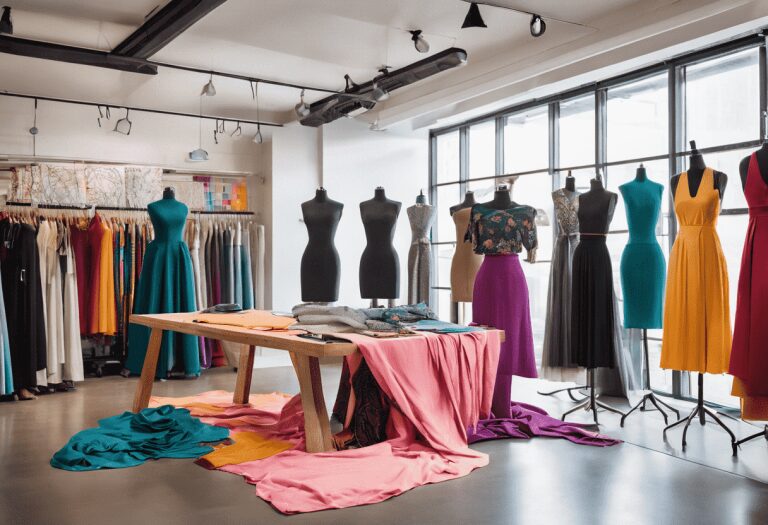
The allure of designer clothes has captivated fashion enthusiasts for decades. These garments represent not only a commitment to style but also a reflection of craftsmanship, quality, and exclusivity. Understanding the world of designer clothes requires examining the factors that distinguish them from regular fashion items, including materials, design innovation, brand reputation, and cultural impact.
The Definition of Designer Clothes
Designer clothes are apparel created by renowned fashion houses or individual designers known for their creative vision and high-quality production. Unlike mass-produced clothing, these pieces often embody unique designs, exceptional materials, and meticulous construction. The label associated with designer clothes contributes significantly to their perceived value, often commanding premium prices in the marketplace.
Materials and Fabric Quality
One of the most distinguishing features of designer clothes is the superior quality of fabrics used. Luxury designers prioritise sourcing rare or high-grade materials such as fine silks, cashmere, and organic cotton. These fabrics not only enhance the comfort and durability of the garments but also elevate their aesthetic appeal through texture and finish, setting designer pieces apart from standard offerings.
Innovation in Design
Designers work to push the boundaries of creativity within the fashion industry. Frequently, new trends emerge from designer collections before permeating mainstream fashion. Innovation manifests in innovative cuts, creative prints, intricate embroidery, and experimental silhouettes. Such design risk-taking forms the foundation of the ever-evolving fashion landscape and underscores the significant role designer clothes play within it.
Craftsmanship and Detailing
The attention to detail in designer clothes is another factor contributing to their esteemed status. Expert tailoring, hand-finished elements, and intricate embellishments attest to the craftsmanship invested in each piece. This level of skill often requires extensive training and experience, and it guarantees a garment that fits well and maintains its shape and structure over time.
The Role of Brand Reputation
Brand reputation is integral to the appeal of designer clothes. Established fashion houses, such as Chanel, Gucci, and Dior, have built their names around a strong heritage of quality and innovation. Consumers are often drawn to these brands due to their history, the consistency of their collections, and the cultural significance attached to their logos and designs. Brand loyalty often influences purchasing decisions in the designer clothing market.
Exclusivity and Limited Editions
Exclusivity remains a key attraction for designer clothes. Limited edition releases, seasonal collections, and customised pieces ensure that certain garments remain rare and desirable. This scarcity not only increases the perceived value but also allows wearers to express individuality through fashion choices that are not widely accessible.
Price Considerations
The cost of designer clothes is typically higher than that of non-designer alternatives. The premium price reflects the cumulative effect of quality materials, skilled labour, brand prestige, and design innovation. While expensive, investing in designer clothes can be justified by the longevity and unique appeal of these items. Consumers often consider such purchases as long-term investments in their wardrobes.
Impact of Designer Clothes on Fashion Trends
Designer clothes exert a considerable influence on fashion trends globally. Runway shows, fashion weeks, and designer campaigns frequently set the tone for upcoming styles across seasons. Designers’ choices regarding colour palettes, patterns, and silhouettes often herald the trends that retailers and consumers will adopt subsequently, shaping the visual culture of fashion at large.
The Sustainability Perspective
Increasing attention has been given to sustainability within the fashion industry, including designer clothes. Some brands have embraced ethical production methods, sustainable fabric sourcing, and reduced waste initiatives. Despite the luxury market historically being associated with excess, there is growing awareness and effort towards ensuring designer garments can be part of a more sustainable fashion future.
Designer Clothes for Different Demographics
Designer clothes are not confined to any specific age group or gender. Collections are increasingly diverse, catering to men, women, and non-binary individuals. Modern designers offer a range of styles from formal wear to streetwear, ensuring broader accessibility. Younger audiences are also targeted through collaborations and limited-edition lines, reflecting changing consumer demands and market expansion.
Shopping for Designer Clothes
Purchasing designer clothes can occur via various channels. Flagship stores, luxury department stores, and authorised online retailers provide authentic options. Additionally, platforms like designer clothes boutiques offer carefully curated selections. It is essential for buyers to verify authenticity to avoid counterfeit products, which are prevalent in the high-end fashion sector.
The Role of Technology in Designer Clothes
Technological advances have revolutionised the production and marketing of designer clothes. Digital design tools aid in crafting precise patterns and visualising collections before physical creation. Online platforms enable brands to reach global audiences directly. Moreover, technologies like 3D printing and sustainable fabric innovations are beginning to influence how designer clothes are produced.
Designer Clothes and Cultural Identity
Fashion is a significant medium through which cultural identity is expressed. Designer clothes often incorporate elements inspired by various cultures, histories, and artistic movements. This interplay merges global perspectives with local identities, enabling fashion to serve as both a cultural artifact and a contemporary statement.
Investment Value of Designer Clothes
Some designer garments appreciate in value over time, particularly limited editions or iconic pieces. Collectors and fashion aficionados may purchase specific items not only for wear but also as investments. The secondary market for designer clothes, including resale websites and auctions, has grown substantially, offering opportunities to acquire rare and coveted pieces.
The Future of Designer Clothes
The future of designer clothes will likely be shaped by continued innovation, sustainability, and changing consumer behaviours. Technologies such as artificial intelligence may influence design trends and personalisation. Moreover, there is an increasing demand for transparency in production processes and ethical considerations, which designers must address to maintain relevance in the evolving fashion landscape.
Conclusion
The world of designer clothes represents a complex intersection of artistry, craftsmanship, culture, and commerce. These garments embody fashion innovation and exclusivity, appealing to those who seek high-quality apparel with distinctive style and heritage. Understanding the significance of designer clothes enables consumers to appreciate the value they offer beyond mere clothing, recognising them as integral components of global fashion and identity.
