
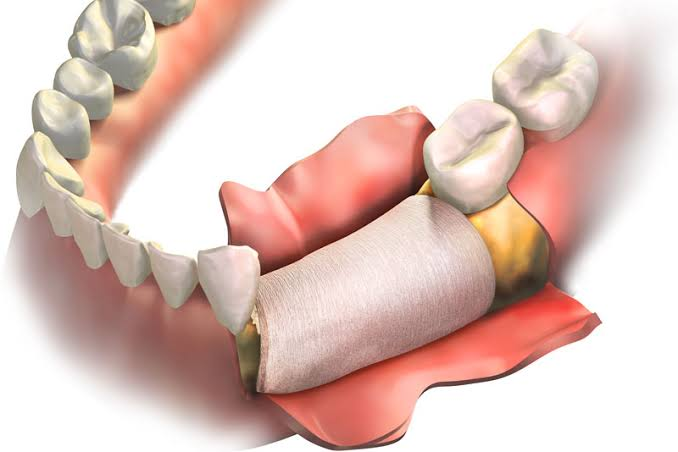
Losing a tooth can affect much more than the way your smile looks. Over time, the bone that once supported that tooth may begin to shrink. This can sometimes make people worry that dental implants are no longer an option. Fortunately, bone loss does not always mean you have to give up on dental implants. Working with dedicated dental implant specialists in Grotton, MA can help determine whether bone grafting may rebuild areas where bone has become too thin or weak. Once the area has healed, it may provide the strong foundation needed to support an implant. For many people, bone grafting is an important first step toward restoring missing teeth with a solution that looks, feels, and works much like a natural tooth.
Why does bone disappear after a tooth is lost
Your jawbone stays strong partly because of the pressure created when you chew. The roots of your teeth transfer this pressure into the bone, which helps keep it active and healthy.
When a tooth is removed or lost, that stimulation disappears. The body may slowly begin to break down some of the bone in that area because it is no longer supporting a tooth.
Bone loss does not happen at exactly the same speed for everyone. However, the longer a space is left without a tooth, the greater the chance that some bone may be lost.
Other factors can also affect the amount of bone around the teeth. Gum disease, injuries, infections, and long-term dental problems may all play a part.
This matters when considering dental implants because an implant needs enough strong bone around it to stay secure.
Fun Fact: Your jawbone is constantly changing throughout your life as old bone is removed and new bone is formed.
Why strong bone matters for dental implants
A dental implant is placed into the jawbone, where it acts as an artificial tooth root. After placement, the bone gradually heals around the implant.
This connection helps give dental implants their impressive strength and stability.
If there is not enough bone, however, there may be less support available for the implant. Rather than automatically ruling out treatment, a dentist may recommend bone grafting to improve the area first.
Think of it a little like building a house. A strong structure needs a dependable foundation. Bone grafting can help create that foundation before the implant is placed.
Modern dental implant procedures have made it possible for many people with missing teeth to restore both their smile and their ability to chew comfortably. Bone grafting can increase the number of people who may be able to benefit from this type of treatment.
What exactly is a dental bone graft
A bone graft is a procedure used to add material to an area of the jaw where bone has been lost. The goal is to encourage the body to build stronger bone around that area.
The graft material acts as a framework that supports the body’s natural healing process. Over time, new bone can grow into the area and strengthen the jaw.
There are different types of graft materials. Some may come from another area of the patient’s body, while others may come from specially prepared human, animal, or synthetic sources. The type used depends on the person’s needs and the dentist’s treatment plan.
Bone grafting may sound complicated, but it is a well-known procedure in modern dentistry. It is often used as part of the preparation for dental implant treatment.
In some cases, the graft may be completed at the same time a tooth is removed. In other situations, it may be performed months or even years after the tooth was lost.
How bone grafting prepares the jaw for an implant
The purpose of bone grafting is not simply to fill an empty space. It gives the body a chance to create stronger bone where more support is needed. A personalized treatment plan from https://temeculaoralsurgery.com can help determine how much support the jaw may need before moving forward with an implant. After the graft is placed, the area needs time to heal. During this period, the body gradually builds new bone around and through the graft material. Healing times can vary depending on the size and location of the graft. A smaller graft may require less time than a larger area that needs significant rebuilding. Once enough strong bone has developed, the dentist can decide whether the jaw is ready for implant placement. The dental implant can then be carefully positioned inside the rebuilt area. As healing continues, the bone can form a close connection around the implant. This process helps create the solid support needed for the replacement tooth.
The final result can be a tooth replacement that feels stable when talking, smiling, and eating.
Fun Fact: Dental implants are different from traditional bridges because they replace the missing tooth root as well as the visible part of the tooth.
Bone grafting may help protect your future smile
Bone grafting can offer benefits beyond simply preparing for an implant. Rebuilding lost bone may also help support the natural shape of the jaw.
When significant bone disappears, the shape of the gums and jaw can gradually change. Restoring bone may help maintain better support in the area.
This can be especially important when replacing teeth near the front of the mouth, where the shape of the gums can affect the appearance of the final smile.
By creating better support for an implant, bone grafting can also give the dentist more flexibility when planning the position of the replacement tooth.
Good implant placement is important for comfort, appearance, and long-term function.
Does everyone need bone grafting before getting implants
Not everyone who receives a dental implant needs a bone graft. Some people still have plenty of healthy bone in the area where the implant will be placed.
A dentist will usually examine the mouth and take detailed images to see how much bone is available. These images can help show the height, width, and shape of the jawbone.
If there is enough bone, implant placement may be possible without grafting.
If there is not enough support, a bone graft may be recommended before the implant procedure.
The treatment plan depends on each person’s mouth, health, bone level, and the location of the missing tooth. This is why a professional dental evaluation is so important.
Bone loss does not always mean implants are out of reach
Finding out that you have lost jawbone can be disappointing, especially if you were hoping to replace a missing tooth with a dental implant. The good news is that bone loss does not automatically remove dental implants from your list of options.
Bone grafting gives dentists a way to rebuild areas that may otherwise be too weak to support an implant.
Although the process can add extra healing time to treatment, it may help create a much stronger foundation for the future replacement tooth.
Dental implants are designed to provide a stable, natural-looking way to replace missing teeth. With modern techniques, careful planning, and procedures such as bone grafting, more people may be able to enjoy the benefits of implant treatment even after bone loss.
A dental professional can examine the jaw, explain whether grafting is needed, and create a treatment plan based on the condition of the bone. For someone who has been told that their jaw has lost bone, that conversation may be the first step toward getting a strong, confident smile back.
