
Introduction to How Laws Protect Consumers and Businesses
Understanding how laws protect consumers and businesses is essential in today’s marketplace. Legal frameworks ensure that consumers get fair treatment, safe products, and accurate information. At the same time, they protect businesses from unfair competition and fraud.
Without laws, markets would be chaotic. Regulations provide balance, encouraging trust between buyers and sellers. Knowing how laws protect consumers and businesses helps everyone navigate transactions safely and confidently.
Consumer Protection Laws
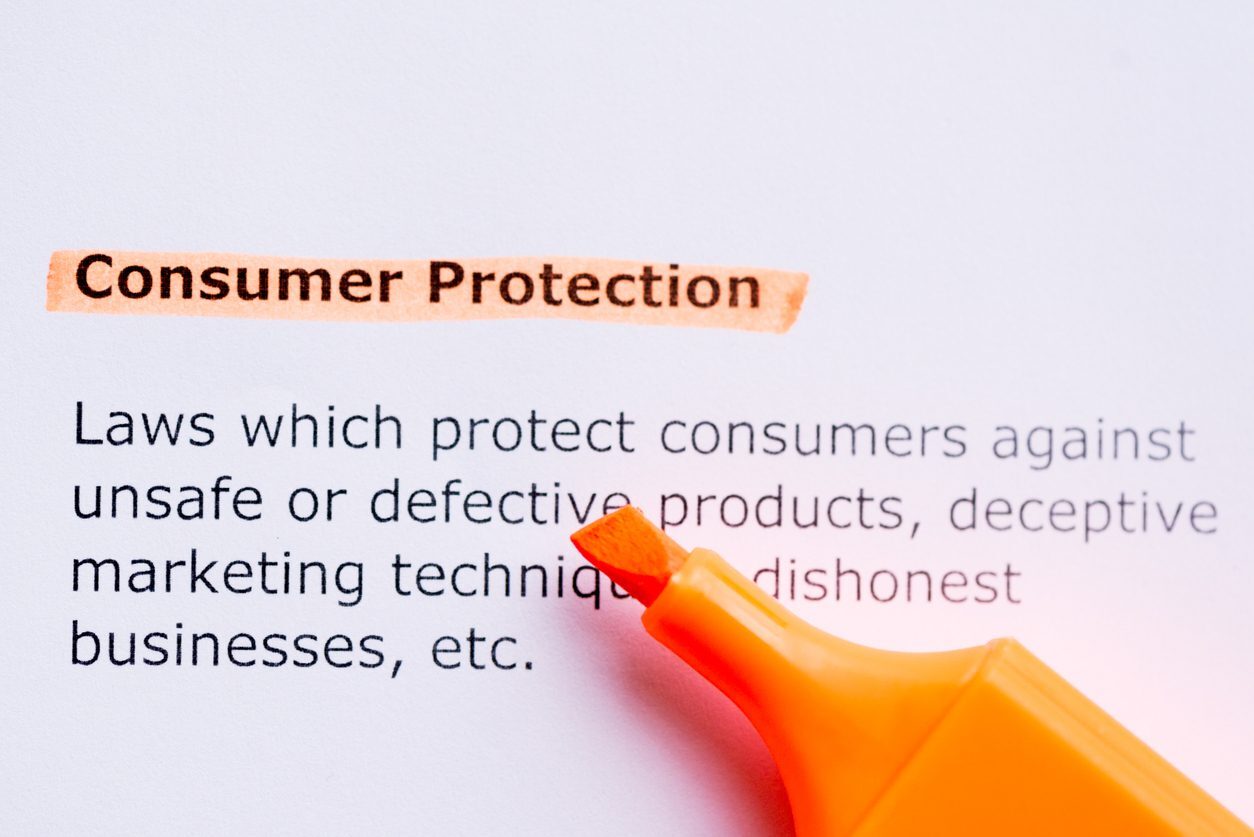
Consumer protection laws are designed to safeguard the rights of buyers. These laws prevent businesses from misleading or exploiting customers.
Key protections include:
- Product Safety – Ensuring goods meet safety standards to prevent harm.
- Truthful Advertising – Preventing false claims in marketing.
- Refunds and Returns – Guaranteeing consumers can return faulty or unsuitable products.
- Privacy Protection – Ensuring personal data is handled responsibly.
By enforcing these rules, governments ensure that consumers can trust products and services.
Business Protection Laws
Businesses also need legal protection to operate fairly and efficiently. Laws protect companies from unfair competition, intellectual property theft, and fraud.
Important protections include:
- Contract Enforcement – Ensuring agreements between businesses and clients are legally binding.
- Trademark and Copyright Protection – Protecting unique products, brands, and creative work.
- Anti-Trust Regulations – Preventing monopolies and unfair competition.
- Employee Laws – Protecting businesses from disputes and ensuring fair labor practices.
These protections encourage innovation and create a stable business environment.
How Consumer Laws Benefit Businesses
Surprisingly, consumer protection laws also benefit businesses. When consumers feel safe and confident, they are more likely to purchase products and services.
Clear rules prevent disputes and lawsuits, saving businesses money and maintaining their reputation. Businesses that follow the law often gain customer loyalty and long-term success.
Examples of Consumer and Business Protection
- Product Recalls – If a product is dangerous, companies must recall it, protecting both consumers and the company’s reputation.
- Online Transaction Security – Laws ensure that online payments are secure, protecting buyers and sellers from fraud.
- Fair Competition – Anti-trust laws prevent large companies from unfairly pushing out smaller competitors.
These examples highlight how laws protect consumers and businesses in real-world scenarios.
The Role of Regulatory Agencies
Government agencies enforce laws to protect both consumers and businesses. Examples include:
- Consumer Protection Agencies – Monitor product safety, advertising, and fair trade.
- Business Regulatory Authorities – Ensure companies follow labor, tax, and trade laws.
- Financial Regulators – Protect investors, lenders, and borrowers.
These agencies act as watchdogs, ensuring fair and transparent market practices.
Challenges in Consumer and Business Protection
While laws provide safeguards, challenges remain:
- Rapid Technological Changes – Online shopping, digital products, and cryptocurrency create new legal issues.
- Global Trade – International transactions involve multiple legal systems, making enforcement complex.
- Consumer Awareness – Not all consumers know their rights, leading to exploitation.
Addressing these challenges requires updated regulations, public awareness, and global cooperation.
Future Trends in Consumer and Business Protection
The future of protection laws is evolving with technology and globalization:
- Digital Consumer Protection – Stronger rules for online privacy and e-commerce.
- Sustainability Laws – Regulations ensuring businesses adopt eco-friendly practices.
- Artificial Intelligence in Law Enforcement – AI tools to detect fraud, monitor compliance, and assist in dispute resolution.
These trends will ensure that how laws protect consumers and businesses continues to adapt to modern needs.
read more : How Content Creators are Changing the Entertainment World
Conclusion
In today’s economy, understanding how laws protect consumers and businesses is crucial for everyone. Legal protections ensure fairness, safety, and trust in the market.
By following consumer protection and business regulations, both buyers and sellers benefit. Laws create a balanced environment where businesses can grow, and consumers can shop confidently.
Ultimately, how laws protect consumers and businesses strengthens the economy and promotes ethical, safe, and sustainable business practices.
