
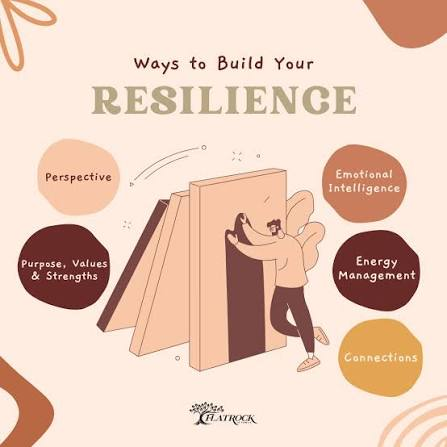
Feeling stronger, more energetic, and better equipped to handle everyday demands rarely comes from one dramatic change. More often, it is the result of several small habits working together over time. Sleep, nutrition, stress management, recovery, and physical activity all influence how the body feels and performs.
That is why sustainable progress usually begins with understanding what the body needs rather than simply pushing harder. When energy is low, the answer is not always more caffeine or a tougher workout. Likewise, improving strength is not only about lifting heavier weights. Building lasting resilience means creating a foundation that supports both activity and recovery.
Start by Understanding Your Energy
Energy levels naturally rise and fall, but persistent tiredness can be more complicated than simply needing an earlier bedtime. Sleep quality, hydration, nutrition, stress, activity levels, and other individual factors can all play a role. Looking at these influences together can support a root-cause approach to fatigue rather than focusing only on short-term ways to push through low energy.
Paying attention to patterns can be useful. Someone may notice that their energy drops after several nights of poor sleep, during particularly stressful weeks, or when meals become inconsistent. Others may feel tired even when their routine seems relatively healthy, which can be a reason to look more closely at what may be contributing to the problem.
Instead of treating fatigue as something that must simply be ignored, it can be more productive to view it as information. Understanding what affects energy makes it easier to decide which habits need attention and when additional professional guidance may be appropriate.
Build the Foundation Before Increasing Intensity
It is tempting to make major changes when trying to feel healthier. People may suddenly begin exercising every day, dramatically change their diet, or fill their schedule with new wellness routines. The problem is that an already tired body may struggle to adapt to too much change at once.
A stronger foundation usually comes from basics that are easy to overlook. Consistent sleep, balanced meals, regular hydration, manageable activity, and periods of genuine rest can make more demanding fitness goals easier to pursue later.
This does not mean waiting until everything is perfect before becoming active. Gentle movement can often be part of building that foundation. Walking, mobility work, light resistance exercises, and other manageable forms of activity can help someone establish consistency without turning every session into a test of endurance.
Build Strength With Purpose
Once a solid routine is in place, structured resistance training can help develop strength, coordination, and physical confidence. The key word is structured. Random workouts may feel challenging, but challenge alone does not guarantee progress.
A thoughtful program considers current ability, technique, goals, and recovery. Being able to train with a group at your level can also make the experience more manageable and motivating while still allowing room for individual progress. Exercises can then become gradually more demanding as the body adapts. This concept, often called progressive overload, does not always mean adding more weight. Progress can also involve improving technique, completing additional repetitions, increasing range of motion, or performing the same movement with greater control.
Guidance can also make a difference, particularly for people who are unfamiliar with strength training. Having a clear plan reduces guesswork and makes it easier to recognize progress that might otherwise go unnoticed.
Recovery Is Part of the Training Process
One of the most common mistakes in fitness is treating recovery as the absence of progress. In reality, the body needs time between demanding sessions to repair tissues and adapt to the stress of exercise.
Sleep plays an especially important role. Rest days, adequate nutrition, hydration, and lower-intensity movement can also support recovery. When these pieces are consistently neglected, people may experience declining motivation, persistent soreness, reduced performance, or a general feeling of exhaustion.
Fun fact: Muscles do not become stronger during the workout itself. Exercise provides the stimulus, while many of the physical adaptations associated with increased strength take place during the recovery period afterward.
This is one reason why more exercise is not automatically better exercise. Training that can be repeated consistently while allowing adequate recovery is usually more useful than occasional extreme efforts followed by long periods of fatigue.
Think in Months, Not Days
Energy, strength, and resilience develop gradually. Daily fluctuations can make progress difficult to notice, which is why judging a routine based on one particularly good or bad day can be misleading.
Over several months, however, meaningful changes may become clear. Everyday tasks can feel easier. Workouts may become more controlled. Energy may feel more predictable. Recovery may improve, and activities that once seemed demanding may become part of a normal routine.
The goal is not to eliminate every tired day or constantly perform at maximum capacity. A more realistic goal is to build a body and routine that can handle activity, respond to stress, recover effectively, and continue moving forward.
Sustainable health rarely depends on doing everything perfectly. It comes from understanding what supports your energy, building strength at an appropriate pace, and giving recovery the same attention as effort. When those pieces work together, resilience becomes something that develops naturally over time.
