
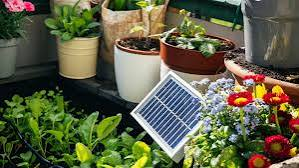
A garden doesn’t have to be large or expensive to feel inviting. Sometimes, the simple sound of moving water is enough to transform an ordinary outdoor space into a peaceful retreat. That’s one reason solar fountain pumps have become so popular. When paired with a pond filter system, they help keep the water cleaner while creating a healthier environment for aquatic life. They don’t require complicated wiring, they consume no electricity from your home, and they’re surprisingly easy to install.
Still, not every solar fountain pump is the same. Some are designed for small bird baths, while others can circulate water through larger ponds or decorative waterfalls. Choosing the wrong model can lead to weak water flow, inconsistent performance, or unnecessary maintenance.
If you’re planning to add a water feature to your outdoor space, here’s what you should know before making a decision.
Start by Thinking About Your Garden
Before comparing products, take a closer look at your outdoor area. The right pump depends less on the product itself and more on where it will be used.
Ask yourself a few questions:
- Are you adding a fountain to a bird bath?
- Is it for a decorative pond?
- Do you want a gentle bubbling effect or a taller spray?
- How much direct sunlight does the location receive each day?
A small courtyard with a bird bath needs something very different from a large backyard pond. Understanding your space first makes the shopping process much easier.
Understand the Different Types of Solar Fountain Pumps
Solar fountain pumps generally fall into a few common categories.
Floating Pumps
Floating models combine the solar panel and pump into one unit. They sit directly on the water’s surface and begin operating whenever sunlight reaches the panel.
These are ideal for:
- Bird baths
- Small decorative ponds
- Temporary garden displays
Their biggest advantage is convenience, although performance naturally changes with cloud cover.
Separate Solar Panel Systems
A solar panel pump fountain uses a pump placed in the water while the solar panel is positioned separately in the sun. This design offers much more flexibility because you can place the panel where it receives maximum sunlight, even if the fountain itself sits in partial shade.
For medium-sized ponds and permanent water features, this type often provides more reliable performance throughout the day.
Battery Backup Models
Some systems include rechargeable batteries that store solar energy.
These models continue running even when clouds pass overhead or after sunset for a limited time. Although they usually cost more, they provide a steadier water flow and greater convenience.
Consider Water Flow and Lift Height
One of the most important specifications is the flow rate.
Flow rate tells you how much water the pump moves each hour. A stronger flow creates higher fountain sprays and better circulation.
Lift height is equally important. It measures how high the pump can push water vertically.
For example:
- Small bird baths usually need only a modest lift.
- Decorative fountains require moderate pressure.
- Waterfalls or taller displays demand higher lift capacity.
Buying a pump with too little power often results in disappointing performance, while an oversized model may waste energy or create excessive splashing.
Make Sure Your Garden Gets Enough Sunlight
Solar-powered pumps depend entirely—or mostly—on sunlight.
Observe your garden throughout the day.
A location receiving six or more hours of direct sunlight generally produces the best results. Trees, walls, fences, and nearby buildings can reduce solar efficiency significantly.
If your preferred fountain location remains shaded for much of the day, choosing a system with a separate solar panel or battery backup can make a noticeable difference.
Look at the Available Nozzle Options
Many people overlook nozzle attachments, yet they dramatically change the appearance of a fountain.
Different nozzles can produce:
- Tall vertical streams
- Umbrella-shaped sprays
- Multiple small jets
- Gentle bubbling effects
If you enjoy changing the appearance of your garden throughout the seasons, selecting a model with interchangeable nozzles adds flexibility without increasing maintenance.
Choose Durable Materials
Outdoor equipment must withstand changing weather conditions.
Look for pumps made with durable plastic or corrosion-resistant materials. High-quality solar panels usually maintain their performance longer and resist damage from prolonged exposure to sunlight.
Waterproof construction is equally important since the pump will remain submerged for extended periods.
Although lower-priced models may seem attractive, better construction often leads to fewer replacements and lower long-term costs.
Think About Maintenance Before You Buy
Even the best solar fountain pump needs occasional care.
Leaves, algae, dirt, and small debris can clog the intake over time.
Fortunately, maintenance is simple.
A few good habits include:
- Cleaning the pump every few weeks
- Removing leaves from the water
- Wiping the solar panel clean
- Checking the nozzles for blockages
- Storing the pump safely during freezing weather if recommended
Regular cleaning helps maintain water flow and extends the life of the entire system.
Match the Pump to Your Water Feature
Different garden features require different pump capacities.
Bird Baths
Small floating pumps usually provide enough circulation while helping attract birds with moving water.
Decorative Fountains
Choose adjustable pumps that let you customize spray height without excessive splashing.
Garden Ponds
Ponds benefit from stronger circulation to keep water moving and support healthier conditions.
Waterfalls
Waterfalls require pumps with greater lift height since water must travel upward before flowing back down naturally.
Matching the pump to its intended purpose produces better performance and reduces unnecessary strain on the equipment.
Common Mistakes to Avoid
Many first-time buyers make similar mistakes.
One of the biggest is choosing a pump based solely on price. An inexpensive model may struggle to deliver the water effect you expect.
Another common mistake is ignoring sunlight conditions. Even an excellent pump cannot perform well if its solar panel spends most of the day in shade.
Some buyers also forget to calculate the size of their pond or fountain. A pump that’s too small may barely circulate water, while one that’s too powerful can create unwanted splashing and water loss.
Finally, don’t overlook maintenance. Selecting a pump that’s easy to disassemble and clean will save time throughout the year.
A Long-Term Investment for Your Garden
Solar fountain pumps combine beauty with practicality. They operate using renewable energy, require minimal installation, and can enhance almost any outdoor setting.
The best choice isn’t necessarily the most powerful or the most expensive. It’s the one that matches your garden’s size, sunlight conditions, and the type of water feature you want to create.
Taking a little time to compare flow rate, lift height, panel placement, durability, and maintenance requirements will help you find a system that performs reliably season after season.
With the right solar fountain pump, your garden can become a quieter, more relaxing place where the gentle sound of flowing water adds life and character without increasing your energy bill.
