
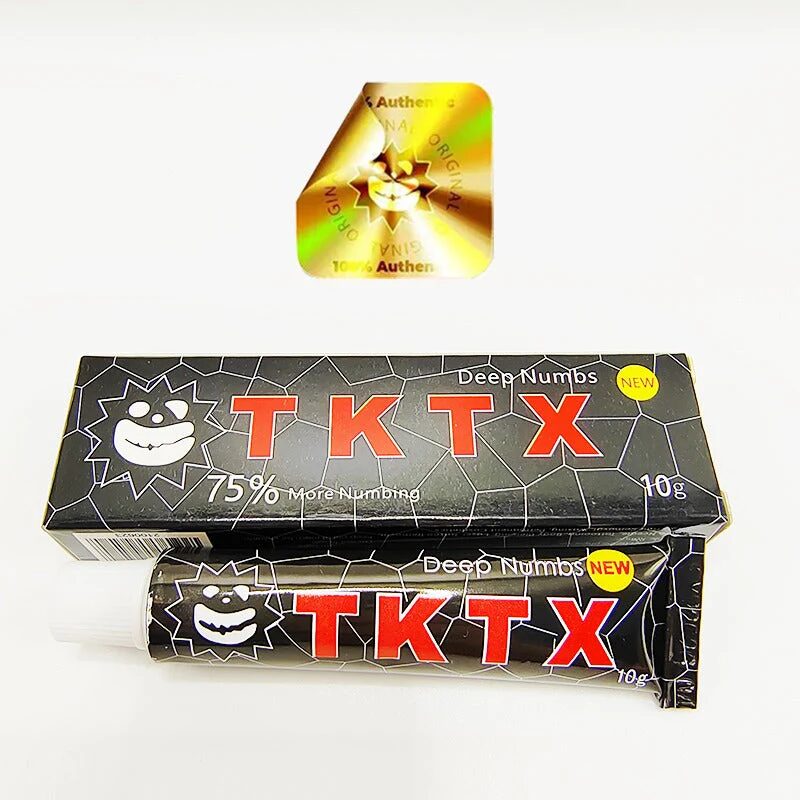
Getting a tattoo inked is a big decision. The design, the placement, the artist. And then there’s the associated pain. That part tends to get glossed over until you’re actually in the chair getting inked. A tattoo numbing cream has become a popular way to manage that discomfort. You apply it before the session, and the idea is that the needle feels less intense. Simple enough, right? Well, perhaps. But there are some things worth knowing before you reach for a tube.
How Does It Work?
Most tattoo numbing creams rely on lidocaine as the active ingredient. Lidocaine is a local anesthetic that blocks nerve signals in the skin temporarily. It doesn’t numb the area completely, but it can reduce the sensation enough to make long sessions more bearable.
Some products also contain prilocaine or benzocaine. These work in a similar way but have different absorption rates and varying levels of skin tolerance across different people. Not every cream suits every skin type.
The effect typically lasts between one and three hours, depending on the formulation and how the cream was applied. After that, the numbness fades, and the nerves start firing again normally.
Is It Actually Safe?
For most people, yes. When used correctly and in appropriate amounts, topical anesthetics are considered safe for healthy adults.
The key phrase there is “used correctly.”
Problems usually come from misuse. Applying too much cream, covering a large area, or leaving it on longer than directed can cause the active ingredient to absorb into the bloodstream at higher levels than intended. That’s where side effects start to appear. The Therapeutic Goods Administration (TGA) in Australia regulates topical anesthetics and sets limits on the concentration of active ingredients sold over the counter.
Products that meet these standards carry a listed or registered status on the Australian Register of Therapeutic Goods (ARTG). Checking for that status before buying is worth your time.
What Are the Risks?
Some people are allergic to amide-type anesthetics like lidocaine. Reactions can range from mild redness and itching to more severe responses in rare cases. That’s why a patch test on a small area of skin before full application is a reasonable step, especially if you have sensitive skin or a history of product reactions.
People with certain medical conditions, including liver problems or heart conditions, should be cautious. Lidocaine is metabolised by the liver, and impaired liver function can affect how the body processes it. If there’s any doubt, checking with a GP beforehand makes sense.
Applying numbing cream to broken or irritated skin is also something to avoid. The skin barrier controls how much active ingredient gets absorbed. Damaged skin absorbs more, which can push absorption beyond safe levels.
Tips for Using Tattoo Numbing Cream Safely
Here is a straightforward guide to getting the most from numbing cream without putting your skin at risk.
- Check the label for TGA approval or ARTG listing before purchasing.
- Do a patch test at least 24 hours before your tattoo appointment.
- Apply only the recommended amount. More is not better here.
- Cover the area with cling wrap after applying to help absorption, but only for the time stated on the packaging.
- Remove the cream fully before tattooing begins. Your artist may wipe it off themselves.
- Avoid applying to areas with broken skin, open wounds, or active rashes.
- Tell your tattoo artist you have used numbing cream. It can affect how the skin takes ink.
Does Numbing Cream Affect the Tattoo?
This comes up a lot. The short answer is that it can, depending on the product and the artist.
Some numbing creams cause the skin to swell slightly or change in texture temporarily. This can make it harder to work with, especially for fine-line or detailed work. Experienced artists tend to have strong opinions about this, so raise it before your session rather than surprising them on the day.
The numbing effect also means you may not notice if something feels off mid-session. Pain sometimes acts as feedback. Without it, you rely more heavily on your artist to monitor how the skin is responding.
Who Should Avoid It?
Numbing cream isn’t suitable for everyone.
Pregnant or breastfeeding individuals should speak with a healthcare professional before using any topical anesthetic. Children should not use these products unless under medical supervision. If you take medications that affect heart rhythm or liver function, get medical advice first.
Using tattoo numbing cream safely comes down to reading the label, buying a TGA-compliant product, and applying it as directed. It works well for a lot of people. It just isn’t a one-size-fits-all solution, and treating it carelessly is where things tend to go wrong.
Consult a healthcare professional before use, especially if you have any underlying health conditions or known skin sensitivities.
