
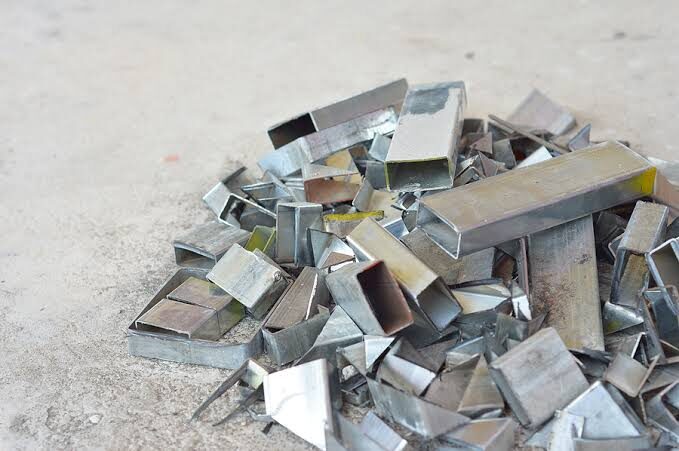
Scrap metal recycling has become an essential aspect of sustainable waste management and resource conservation. Beyond its environmental benefits, scrap metal also represents a valuable commodity that can generate significant income if managed effectively. This article explores practical strategies for maximising cash for scrap metal, enabling individuals and businesses to optimise their returns while contributing to recycling efforts.
Understanding the Scrap Metal Market
The market for scrap metal is influenced by a variety of factors, including global commodity prices, demand for raw materials, and regional recycling practices. Prices for metals such as copper, aluminium, steel, and brass can fluctuate significantly, often depending on supply chain disruptions, manufacturing demands, and economic trends. Awareness of these market conditions can help sellers determine the best times to sell their scrap metal for the highest returns.
Types of Scrap Metal and Their Value
Scrap metal is generally categorised into ferrous and non-ferrous metals. Ferrous metals contain iron and are magnetic, examples being steel and cast iron. Non-ferrous metals like copper, aluminium, lead, and zinc do not contain iron and usually command higher prices due to their applications in electronics, electrical wiring, and construction.
Understanding the value of specific metals is crucial when aiming to maximise cash for scrap metal. Copper, for instance, typically yields greater returns than iron-based metals. Separating metals accurately before selling can result in better pricing from scrap dealers.
Effective Sorting and Preparation
Proper sorting and preparation of scrap metal can significantly improve its market value. Scrap yards usually prefer clean, sorted material as it reduces processing time and contamination risks. This means removing non-metal attachments such as plastic, rubber, wiring insulation, and other debris prior to sale.
Sorting scrap into categories such as clean copper wire, aluminium cans, and steel beams allows the scrap dealer to assess and price the material more precisely. Furthermore, separating metals by type and grade can unlock premium pricing tiers.
Cleaning and Cutting
Where feasible, cleaning scrap metal increases its value. Removing paint, rust, and coatings ensures the metal is more appealing to recyclers. Additionally, cutting large pieces into manageable sizes makes transportation and handling easier, potentially attracting better offers from scrap yards.
Choosing the Right Scrap Yard
Selecting a reputable scrap yard is critical in obtaining the best possible prices. Different yards have varying pricing policies, payout structures, and accepted materials. Researching local and regional scrap yards, and comparing rates online can provide insights into the best options available.
Many scrap yards offer cash for scrap metal, providing immediate payment upon transaction completion. It is important to verify the credibility of these facilities by checking customer reviews, certifications, and compliance with environmental regulations.
Negotiating Prices
While scrap yards generally set prices based on weight and metal type, there may be room for negotiation, especially with larger quantities or high-quality materials. Establishing a good relationship with scrap yard managers can also open opportunities for better deals in the future.
Timing Your Sales
Timing plays an important role in maximising cash for scrap metal. Monitoring market trends and selling during periods of higher demand can increase profits. For example, copper prices often rise when manufacturing activity intensifies globally. Regularly checking commodity price indices helps sellers decide when to sell.
Additionally, some scrap yards offer promotional rates or special deals at particular times of year. Staying informed about these offers through newsletters or scrap metal forums can provide additional earning opportunities.
Maximising Weight and Labour Efficiency
Maximising the weight of scrap metal collected before selling can improve overall returns, but requires balancing with labour and transportation costs. Accumulating scrap over time permits selling in bulk rather than frequent small transactions. This reduces repeated handling and delivery expenses.
Efficient collection practices include connecting with construction sites, demolition projects, manufacturing plants, and other sources where scrap metal is abundant. Establishing reliable supply channels ensures a steady inflow of material, enhancing profitability.
Legal Considerations and Compliance
Before selling scrap metal, it is vital to be aware of legal requirements and local regulations. Many jurisdictions impose record-keeping mandates or require identification when selling scrap to prevent theft and illegal activities. Compliance with these rules prevents potential legal issues and supports responsible recycling practices.
The Environmental and Economic Benefits
Participating in scrap metal recycling aligns with environmental sustainability goals by reducing landfill waste, conserving natural resources, and minimising energy consumption associated with virgin metal production. The economic advantages extend beyond individual profit, contributing to local economies through job creation in recycling sectors.
By focusing on maximising cash for scrap metal, sellers not only improve their financial outcomes but also play a part in promoting circular economies and resource efficiency.
Leveraging Technology and Resources
Modern technologies have facilitated better management of scrap metal sales. Mobile apps and online platforms provide updated price info, location of scrap yards, and allow scheduling of pickups. Using these tools streamlines the selling process and helps identify the best opportunities quickly.
Educational resources such as industry publications, webinars, and forums offer valuable insights into market trends, sorting techniques, and regulatory updates. Engaging with these materials enhances seller knowledge and decision-making capabilities.
Summary: Best Practices for Maximising Cash for Scrap Metal
In conclusion, maximising cash for scrap metal involves a combination of market awareness, effective sorting and preparation, strategic timing, and choosing reputable scrap yards. Incorporating these methods can significantly increase returns while supporting environmental and economic objectives.
Transaction optimisation begins with understanding the types and grades of metals and extends through compliance and relationship building with scrap dealers. Utilising available technology and staying informed about market changes completes a comprehensive approach to achieving the best possible outcomes.
For those looking to convert scrap metal into revenue effectively, exploring reliable platforms offering cash for scrap metal is a practical starting point. Through careful planning and execution, scrap metal recycling can become a profitable and sustainable endeavour.
