
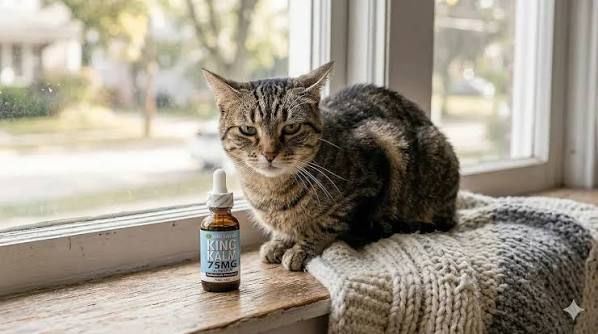
Cats depend on familiar scents, predictable routines, and secure resting spaces to feel comfortable. A house move, veterinary appointment, storm, visitor, or new animal can disrupt that sense of safety and trigger noticeable distress. Hiding, excessive vocalization, reduced appetite, restless sleep, and defensive behavior may signal that a cat needs extra support.
A veterinarian should assess sudden or persistent behavioral changes because pain and illness can resemble anxiety. Once medical concerns have been addressed, environmental improvements can help restore security and emotional balance. A carefully chosen supplement may complement those measures during stressful situations. For more, go through this discourse.
Support During Travel and Loud Events
Car journeys, thunderstorms, fireworks, construction noise, and grooming visits can overwhelm a sensitive feline. The calming CBD for cats may support a more settled response during these predictable events when used under veterinary guidance. A trial on a quiet day can help pet parents observe the cat’s reaction before an important trip or appointment.
Situations That May Call for Added Support
- Carrier travel may cause panting, crying, trembling, or attempts to escape.
- Unfamiliar sounds can send a nervous cat beneath furniture for extended periods.
- Boarding stays may disrupt feeding, sleep, litter habits, and social confidence.
- Household gatherings can create stress through noise, movement, and unfamiliar scents.
A Calmer Response to Household Changes
Cats may struggle when routines shift without warning. A new home, altered feeding schedule, visiting relative, baby, or additional pet can make established spaces feel less secure. Supplemental support may help the animal remain more comfortable while gradual introductions and dependable routines encourage adjustment.
Quiet rooms, elevated perches, familiar bedding, and separate food stations can reduce competition and tension. Positive play sessions may also help redirect nervous energy without forcing unwanted contact. Each cat should receive enough time and distance to adapt at an individual pace.
Flexible Administration for Selective Cats
Taste and texture matter because cats can reject unfamiliar additions to meals. Some feline CBD oils can be placed along the gums for direct administration or mixed into a small serving of food. A marked dropper supports consistent measurement and reduces the risk of accidental guesswork.
Start with a small veterinarian-approved amount and watch the cat’s comfort, energy, appetite, and behavior. Gradual adjustments can help identify the lowest useful quantity. Calming CBD for cats should never replace prescribed treatment or professional assessment.
Details Worth Tracking
- Record the amount given and the time of administration.
- Note appetite, sleep, grooming, litter-box use, and social behavior.
- Document stressful events that occurred during the observation period.
- Share unusual reactions or major behavioral changes with a veterinarian.
Better Results Within a Complete Care Routine
A supplement should form one part of a broader stress-management plan. Clean litter boxes, regular meals, daily play, scratching surfaces, hiding places, and calm handling can strengthen a cat’s sense of control. Forced interaction may increase fear, so body language should guide each encounter.
A peer-reviewed survey involving 889 cat owners reported that 88.7 percent perceived their cats as stressed during veterinary consultations. The finding highlights the frequency of situational feline stress, although it does not establish CBD as a treatment. Careful observation and veterinary advice remain essential whenever anxiety affects daily behavior.
Calming supplements may provide useful support during travel, noise, household changes, and other stressful experiences. Careful administration and behavioral records can promote safer use. A secure environment and veterinary guidance should remain central to every feline wellness plan.
