
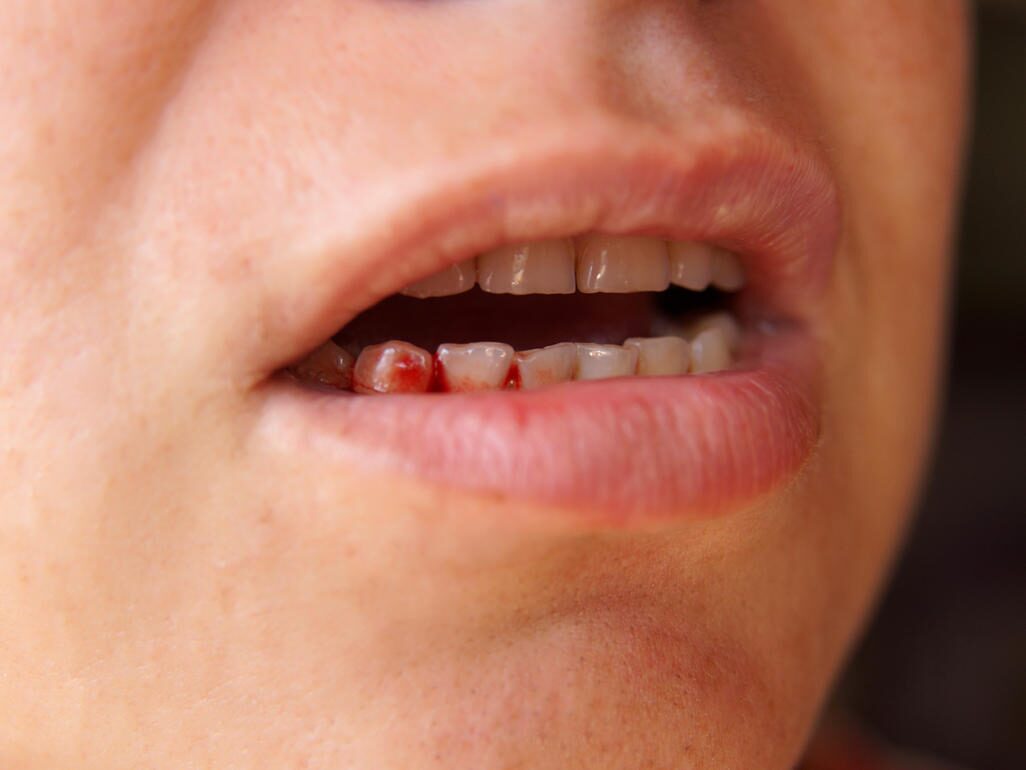
Understanding the Complexity of Pregnancy Gingivitis
Bleeding gums are a common issue during pregnancy, affecting many expectant mothers due to a combination of hormonal and immune system changes. Increased hormone levels can make the gums more sensitive to plaque and bacteria, leading to inflammation, swelling, and bleeding, particularly when brushing or flossing.
However, pregnancy-related gum problems should not be ignored, as untreated inflammation may progress into more serious oral health concerns. Visiting a dentist in Berkhamsted during pregnancy can help identify early signs of gum disease and ensure both oral health and overall wellbeing are properly supported throughout this important stage of life.
The Hidden Dangers of Untreated Pregnancy Gingivitis
When bleeding gums during pregnancy are attributed solely to hormonal changes, there is a tendency to adopt a passive approach, assuming the condition will resolve naturally after delivery. However, research into pregnancy-related oral health complications reveals that untreated gingivitis can progress to more serious periodontal disease, which has been associated with adverse pregnancy outcomes. The bacteria responsible for gum disease can enter the bloodstream, potentially triggering inflammatory responses that may affect foetal development and pregnancy duration.
Systemic Connections That Cannot Be Ignored
The mouth serves as a gateway to the body, and the bacteria that proliferate in inflamed gum tissue do not respect anatomical boundaries. Studies have established correlations between severe periodontal disease during pregnancy and increased risks of preterm birth, low birth weight, and pre-eclampsia. Whilst correlation does not necessarily imply causation, the potential consequences are significant enough to warrant preventative action rather than passive observation.
Professional Assessment Makes the Difference
Consulting a dentist in Berkhamsted or one’s local area during pregnancy is not merely advisable—it is essential for comprehensive prenatal care. Professional dental examinations can differentiate between pregnancy-induced gingivitis and more serious conditions such as periodontitis or pregnancy tumours, which are benign growths that can develop on inflamed gum tissue. These pyogenic granulomas, whilst non-cancerous, can cause considerable discomfort and bleeding, yet they are often mistaken for simple hormonal gum inflammation.
Proactive Dental Care During Pregnancy
The second trimester is generally considered the optimal time for dental procedures, though routine examinations and cleanings are safe throughout pregnancy. Professional cleanings remove the calcified plaque that cannot be eliminated through home care alone, reducing the bacterial load that triggers gingival inflammation. Guidance on maintaining dental health throughout pregnancy emphasises that preventative care is far preferable to addressing advanced periodontal disease after it has developed.
Home Care Strategies That Complement Professional Treatment
Between dental visits, expectant mothers can implement several strategies to manage bleeding gums effectively. These include:
- Brushing twice daily with a soft-bristled toothbrush and fluoride toothpaste
- Flossing gently but thoroughly once daily to remove interdental plaque
- Rinsing with an antimicrobial mouthwash approved for pregnancy use
- Maintaining a balanced diet rich in vitamins C and D to support gum health
- Staying well-hydrated to support saliva production and natural oral defences
According to expert advice on pregnancy and oral health, informing dental professionals about one’s pregnancy status ensures that appropriate precautions are taken regarding treatments and radiographs.
Prioritising Oral Health for Two
Bleeding gums during pregnancy represent more than a temporary inconvenience attributable to hormonal changes. They serve as an important indicator of oral health status that requires professional evaluation and appropriate intervention. By seeking timely care from a dentist in Berkhamsted or elsewhere, expectant mothers protect not only their own oral health but potentially safeguard their pregnancy outcomes as well. The integration of professional dental care into prenatal health routines reflects a comprehensive approach to maternal and foetal wellbeing that extends beyond traditional obstetric care.
