
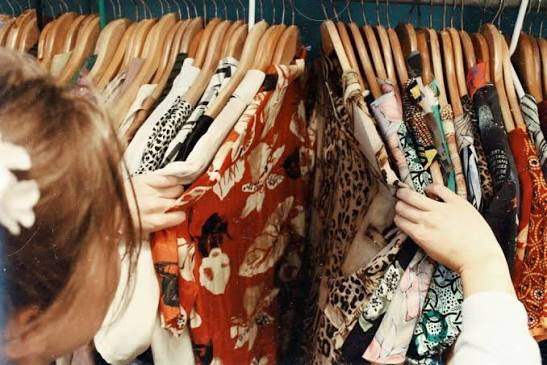
Fashion is often described through broad ideas such as trends, colors, silhouettes, and seasonal collections. Yet when people actually decide whether an outfit looks refined, expensive, balanced, or memorable, their judgment is frequently influenced by much smaller details.
The texture of a jacket, the shape of a collar, the weight of a zipper, the proportions of a handbag, or even the way a sleeve falls at the wrist can completely change how an outfit feels.
This is one reason personal style is difficult to create simply by following trends. Two people can wear similar outfits and produce completely different impressions because styling is ultimately determined by a combination of proportion, material, coordination, and detail.
Understanding those elements can help consumers become more thoughtful shoppers and build wardrobes that reflect their individual style rather than constantly chasing whatever happens to be popular.
Personal Style Begins With Understanding Proportion
One of the most overlooked elements of fashion is proportion.
People often focus on whether an item is technically the correct size, but fit involves much more than the number printed on a label.
Consider an oversized jacket. Its appearance can change dramatically depending on shoulder width, sleeve length, chest volume, and overall length. A jacket that is only a few centimeters longer can create an entirely different silhouette.
The same principle applies to trousers. Waist size is important, but rise, thigh width, leg opening, and total length determine how the trousers interact with shoes and the upper body.
This explains why experienced shoppers frequently compare actual garment measurements instead of relying exclusively on standard size labels.
A medium from one manufacturer may fit like a small from another. Even products from the same brand can fit differently when they come from different collections or use different patterns.
Understanding your preferred proportions makes online shopping considerably easier because you can compare measurements with garments you already own and enjoy wearing.
Fabric Changes More Than Comfort
Material selection has an enormous influence on how clothing looks.
A photograph may show the general design of a garment, but it cannot always communicate how the fabric behaves when worn.
Heavy wool creates structure. Lightweight wool can create movement. Thick cotton may hold its shape, while softer cotton produces a more relaxed silhouette. Leather changes depending on thickness, tanning, surface treatment, and construction.
Even two garments made from materials with the same general name can look completely different.
This is why fabric composition should be considered together with texture, weight, and intended use.
For example, a winter coat needs more than an attractive design. The material must support the silhouette while providing appropriate warmth and durability. A summer shirt requires different properties, such as breathability and softness.
The most successful wardrobes usually contain pieces whose materials make sense for both their design and their intended purpose.
Construction Creates the Difference Between Ordinary and Refined
Consumers naturally notice the overall design of a fashion item first. After wearing it, however, construction details become increasingly important.
Stitching consistency, seam placement, lining, button attachment, zipper operation, edge finishing, pocket construction, and reinforcement can influence both appearance and longevity.
These details are particularly important for pieces that are worn frequently.
A jacket may have a beautiful silhouette, but poorly finished seams can reduce its lifespan. A handbag may have attractive leather, but weak edge finishing or inconsistent stitching can affect how it ages.
Quality therefore should not be judged through a single feature.
It is usually the combination of many small decisions that determines whether an item feels carefully made.
Accessories Can Define an Entire Outfit
Accessories are often treated as secondary elements, but they can become the visual center of an outfit.
A simple combination of trousers, knitwear, and a coat can feel completely different depending on the bag, watch, shoes, jewelry, or belt used with it.
This is particularly useful for people who prefer relatively minimal wardrobes.
Instead of owning dozens of highly distinctive garments, they can build a foundation of versatile clothing and change the character of an outfit through accessories.
A structured bag can make relaxed clothing appear more polished. Minimal jewelry can add refinement without overwhelming an outfit. Shoes can move the same trousers from casual to formal.
The advantage of this approach is flexibility.
A carefully selected accessory can work across multiple seasons and combinations, making it more useful than an item purchased only because it matches a temporary trend.
Hardware Is Part of Fashion Design
Hardware is another detail that receives surprisingly little attention.
Zippers, buckles, clasps, buttons, chains, snaps, and metal logos are functional components, but they are also visual design elements.
Their size, finish, weight, and placement can influence the character of a product.
Bright polished hardware can create a more decorative appearance, while brushed or darker metal can feel understated. Oversized zippers may create an industrial impression, while smaller hardware can produce a cleaner silhouette.
For bags and leather goods, hardware also influences the physical experience of using the product.
A clasp that looks attractive but is difficult to operate becomes frustrating over time. A zipper that does not move smoothly can make an otherwise well-designed item feel less refined.
Consumers should therefore consider functionality and appearance together.
Color Is More Complicated Than It Appears Online
Online fashion shopping has made color selection surprisingly challenging.
The same garment can appear different depending on studio lighting, camera settings, display calibration, image processing, and the environment in which the photograph was taken.
Dark gray may appear almost black in one photograph and considerably lighter in another. Cream can appear white under bright lighting. Leather colors may change depending on whether photographs are taken indoors or in natural daylight.
This is particularly relevant when matching an item to an existing wardrobe.
Rather than judging color from one photograph, consumers can look at several images taken under different lighting conditions whenever possible.
Understanding undertones is also useful.
Two brown bags, for example, may have completely different undertones. One may lean toward red, another toward yellow, and another toward gray. Those differences influence how easily each piece coordinates with shoes, coats, and other accessories.
Building a Wardrobe Around Compatibility
One of the simplest ways to improve personal style is to think about compatibility before purchasing something new.
Instead of asking only, “Do I like this item?” ask, “How many things I already own can I wear with it?”
An attractive garment that works with only one outfit may receive very little use.
A versatile garment that works with five or ten existing pieces can become part of a regular rotation.
This does not mean every purchase must be neutral or basic. Statement pieces can be valuable precisely because they add personality.
The key is understanding their role.
A wardrobe can contain foundational pieces that provide flexibility and distinctive pieces that create character. When those two groups work together, getting dressed becomes easier without making personal style boring.
Research Has Become Part of Modern Fashion Shopping
Fashion discovery no longer happens exclusively in physical stores.
Consumers now move between social media, fashion magazines, online communities, search engines, marketplaces, image-search tools, and specialist shopping platforms before making a decision.
Someone might first notice a jacket in a street-style photograph, research the silhouette on social media, compare measurements on several stores, and then search for similar alternatives.
This research process is particularly important when consumers explore unfamiliar sellers or international markets.
For Korean consumers, resources covering 레플리카 사이트 options and other specialist fashion-shopping channels can become one part of a broader research process alongside product specifications, community discussions, photographs, and seller information.
The important point is not to depend on a single source.
Modern shoppers have access to more information than any previous generation. Using several sources makes it easier to understand products before spending money.
Trend Awareness Is Useful, but Trend Dependence Is Expensive
Fashion trends can be enjoyable because they introduce new ideas.
Problems arise when every purchase is driven by what is currently popular.
Rapid trend cycles can encourage consumers to buy pieces that feel exciting for a few weeks but become difficult to wear once attention moves elsewhere.
A more sustainable personal approach is to separate inspiration from purchasing decisions.
A trend can introduce an interesting color, proportion, fabric, or styling idea without requiring an entirely new wardrobe.
For example, if oversized outerwear becomes popular, someone might experiment with a slightly more relaxed coat rather than buying several extreme silhouettes.
If metallic accessories become fashionable, one carefully chosen accessory may be enough to incorporate the idea.
This allows fashion to remain enjoyable without making a wardrobe dependent on constant replacement.
The Importance of Seeing an Item in Context
Products are usually photographed to make them look as attractive as possible.
That is understandable, but consumers should remember that professional styling influences perception.
A handbag photographed with carefully coordinated clothing may appear more versatile than it actually is. A jacket worn by a model with particular proportions may fit differently on another person.
Whenever possible, shoppers should look for several kinds of visual information.
Studio photographs are useful for seeing details. Model photographs show scale and proportion. Close-ups reveal materials and construction. Customer photographs can show how an item appears in everyday environments.
Together, these different perspectives provide a more complete understanding than any single image.
Expensive Does Not Automatically Mean Stylish
Price and style are related far less closely than many people assume.
Expensive materials and craftsmanship can contribute to quality, but spending more money does not automatically create a better outfit.
Styling depends on proportion, coordination, context, and confidence.
A relatively inexpensive pair of trousers with excellent fit may contribute more to an outfit than an expensive pair with poor proportions. Likewise, a simple bag that works naturally with someone’s wardrobe may be more useful than a highly recognizable piece that rarely leaves the closet.
This is why developing personal preferences is valuable.
Once consumers understand which silhouettes, colors, materials, and proportions work for them, purchasing decisions become less dependent on price tags or external validation.
Clothing Should Work in Real Life
Fashion inspiration often focuses on appearance, but everyday clothing also has to function.
A beautiful coat that is too heavy may remain unworn. A bag with insufficient storage may become inconvenient. Shoes that cannot be worn comfortably for more than an hour have limited practical value.
Before purchasing, consumers should consider the situations in which they expect to use an item.
Will it be used for commuting? Travel? Formal occasions? Weekends? Work? Everyday errands?
The answer can change which features matter most.
For frequent travel, weight and durability may matter more than decorative details. For business clothing, versatility and fit may be priorities. For special occasions, visual impact may be more important than everyday practicality.
Good style does not require sacrificing function. In many cases, the pieces people love most are precisely those that combine appearance with usability.
Why Details Become More Important Over Time
A dramatic design can create an immediate impression, but details often determine whether an item remains satisfying after months or years of ownership.
Consumers gradually notice how smoothly a zipper operates, whether leather develops an attractive patina, whether fabric maintains its shape, whether stitching remains consistent, and whether the proportions continue to work with their wardrobe.
This is why careful purchasing can be more rewarding than frequent purchasing.
Taking time to examine materials, measurements, construction, compatibility, and function may seem less exciting than making an impulse purchase, but it often leads to items that receive much more use.
Final Thoughts
Personal style is not created by one brand, one trend, or one expensive purchase.
It develops gradually through an understanding of proportion, material, construction, color, accessories, and lifestyle.
The smallest details often have the greatest influence because they determine how clothing looks, feels, functions, and coordinates with everything else a person owns.
For modern consumers, the abundance of online fashion information can be either overwhelming or empowering. The difference depends on how that information is used.
Rather than relying exclusively on trends, promotional photographs, or price, thoughtful shoppers can examine products from several perspectives and consider how each piece fits into their existing wardrobe and daily life.
Fashion becomes much easier to navigate when the objective changes from simply buying more products to choosing pieces that genuinely contribute to a personal style.
