
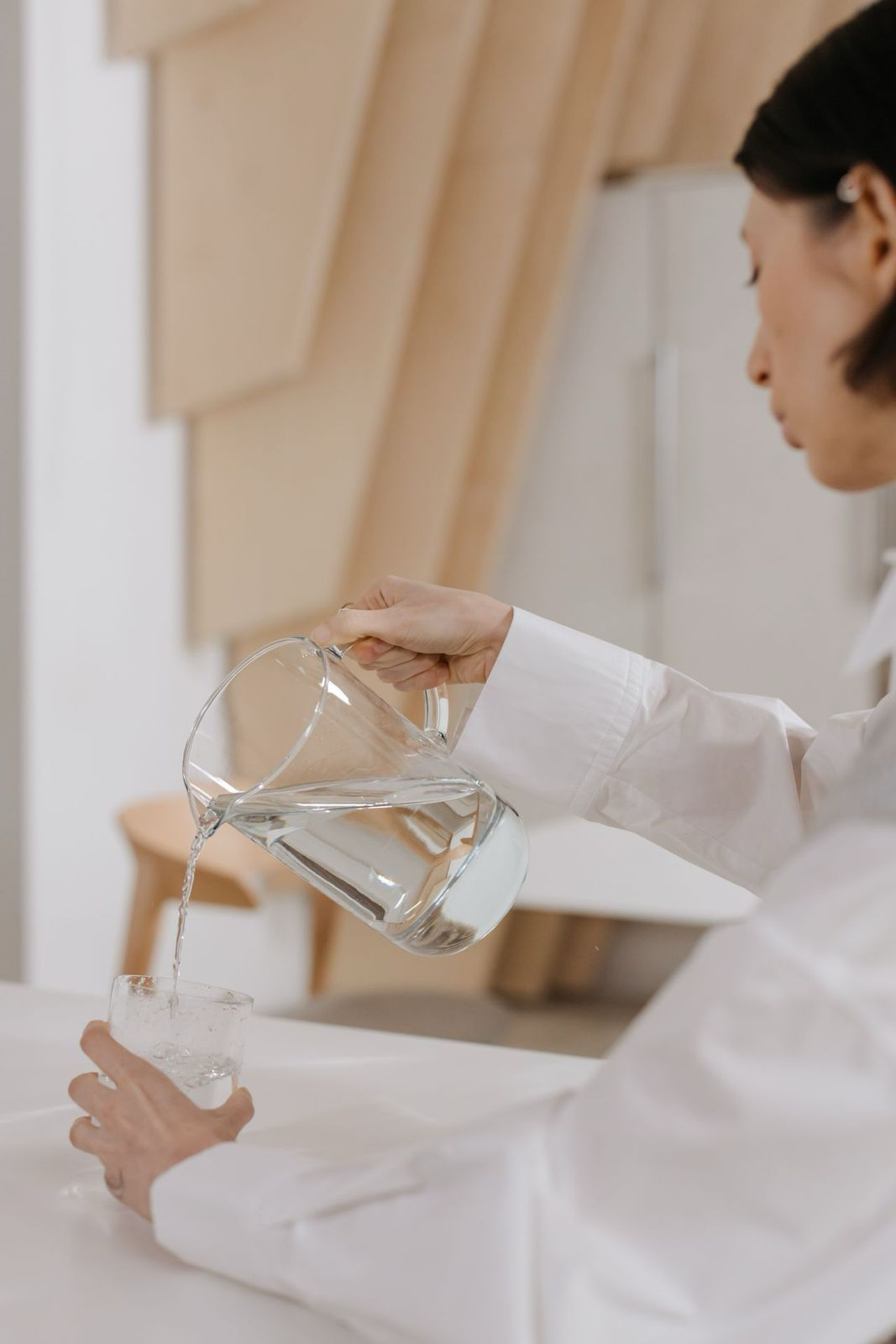
Clean and reliable drinking water is essential for every household and business. While many people focus on water filtration and purification, water hardness is another important factor that can affect water quality and the performance of a plumbing system. Hard water contains elevated levels of minerals such as calcium and magnesium, which can create a variety of problems over time. Water softeners are designed to remove these minerals and help improve both water quality and system efficiency. Investing in a water softening system can provide numerous benefits ranging from better-tasting water to longer-lasting appliances. Understanding the value of water softeners can help property owners make informed decisions about their water systems.
What Hard Water Is
Hard water contains naturally occurring minerals that enter the water supply as groundwater moves through soil and rock formations. While these minerals are generally not harmful to consume, they can create challenges within homes and businesses. Over time, calcium and magnesium can accumulate inside pipes, water heaters, and appliances. This buildup, often called scale, can reduce efficiency and lead to costly repairs. Understanding the impact of hard water is the first step toward addressing it effectively. Many property owners are unaware of how significantly hard water can affect their daily lives.
Protecting Plumbing Systems
One of the primary benefits of a water softener is protecting plumbing infrastructure. Mineral deposits can build up inside pipes and restrict water flow. As scale accumulates, plumbing systems may become less efficient and more prone to maintenance issues. Water softeners help reduce this buildup by removing hardness-causing minerals before they enter the system. Protecting plumbing components can help reduce repair costs and extend the lifespan of pipes. Preventative measures often save money in the long run. A healthy plumbing system supports the overall performance of the property’s water supply.
Improving Appliance Efficiency
Hard water can significantly impact appliances that rely on water for operation. Water heaters, dishwashers, washing machines, and other equipment may experience reduced efficiency when mineral deposits accumulate. Scale buildup forces these appliances to work harder, which can increase energy consumption and operating costs. By softening the water, property owners help protect their equipment and improve performance. Well-maintained appliances often last longer and require fewer repairs. Improved efficiency can also contribute to lower utility expenses over time.
Making Cleaning Easier
Many people notice the effects of hard water during everyday cleaning tasks. Hard water often leaves spots on dishes, residue on fixtures, and buildup on glass surfaces. Soap may not lather as effectively, making cleaning more difficult. Soft water helps reduce these issues by allowing soaps and detergents to work more efficiently. This can lead to cleaner dishes, brighter laundry, and less time spent scrubbing mineral deposits from surfaces. Improved cleaning performance is one of the most noticeable benefits of a water softening system.
Supporting Better Water System Maintenance
Regular maintenance is important for any drinking water system. Many property owners who utilize water softener salt delivery services find it easier to keep their systems operating consistently throughout the year. Maintaining adequate salt levels allows softeners to function properly and continue removing hardness minerals effectively. Reliable maintenance routines help prevent interruptions in system performance. Consistent upkeep contributes to better long-term results and system reliability. Proper maintenance is an essential part of maximizing the value of a water softener.
Reducing Scale Buildup
Scale buildup is one of the most common consequences of hard water. It can appear on faucets, showerheads, sinks, and other fixtures throughout a property. Over time, scale becomes increasingly difficult to remove and may impact both appearance and functionality. Water softeners help minimize scale formation by reducing the mineral content of incoming water. This helps keep fixtures cleaner and reduces the need for aggressive cleaning products. Less scale buildup also contributes to easier maintenance overall.
Enhancing Water Quality
Many users report improvements in water quality after installing a softening system. Soft water often feels smoother and may improve the effectiveness of soaps and shampoos during bathing. Some individuals also prefer the overall drinking experience provided by a properly maintained water system. While water softeners primarily address hardness minerals, they can complement broader water treatment strategies. Improved water quality contributes to a more pleasant daily experience. Comfort and convenience are important considerations for many property owners.
Lowering Long-Term Costs
Although installing a water softener involves an upfront investment, many property owners find that the system helps reduce expenses over time. Fewer plumbing issues, improved appliance performance, reduced cleaning supply usage, and lower maintenance costs can all contribute to long-term savings. Preventing problems before they occur is often more economical than repairing damage later. Water softeners are frequently viewed as a proactive investment in the overall health of a property’s water infrastructure. Long-term savings are a major reason many people choose to install these systems.
Supporting Consistent Water Performance
Water systems perform best when they are free from excessive mineral accumulation. Softened water helps maintain steady water flow, supports appliance efficiency, and reduces maintenance concerns throughout the property. Consistent performance can improve reliability and reduce unexpected disruptions. Property owners often appreciate the peace of mind that comes from knowing their water system is operating efficiently. Reliable water quality and performance contribute to everyday comfort and convenience.
Conclusion
Water softeners play an important role in protecting plumbing systems, improving appliance efficiency, reducing scale buildup, and enhancing overall water quality. By addressing the challenges caused by hard water, these systems help property owners maintain more reliable and efficient drinking water systems. With proper maintenance and consistent operation, a water softener can provide lasting benefits that improve both convenience and long-term property value.
