
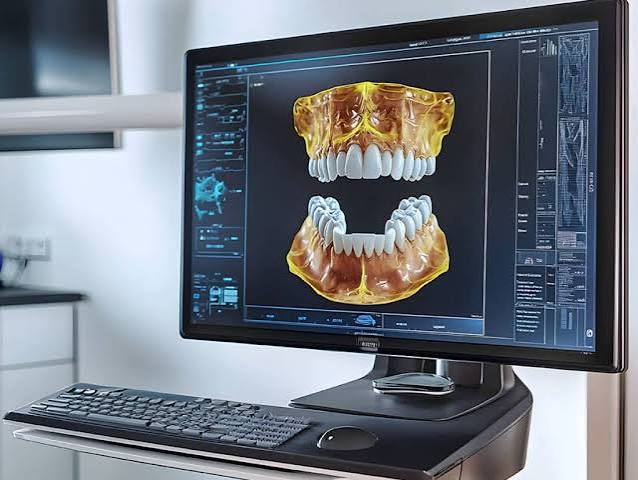
It’s not always obvious what’s causing your toothache. A person may feel discomfort in one location, but the problem could really be deep within the tooth or in the bone surrounding it. This is why appropriate assessment is one of the most critical aspects of endodontic treatment. An endodontist has to know precisely where the issue is and how serious it is before commencing any kind of therapy, so they can propose the best strategy to correct it.
Now, dental professionals employ imaging technology that has transformed the way they see tooth issues. More detailed imaging provides a fuller image of the tooth, the tissues around it and the root structure, rather than the flat X-ray images. These improvements mean a more accurate diagnosis, and patients may obtain more targeted and effective therapy.
Why A Proper Diagnosis Is Important
Many different oral disorders might have the same symptoms. Pain, sensitivity or swelling in teeth might be caused by a fractured tooth, extensive decay, an infection or previous work. If the reason is not completely recognised, treatment may not be effective.
A correct diagnosis allows the endodontist to know where the infection is located, to assess the condition of the root canals, and to determine whether the tooth may be salvaged. This meticulous assessment helps prevent individuals from undergoing unnecessary procedures and increases the likelihood of treatment success.
Benefits Of Modern Imaging
Today’s imaging devices provide high-quality photographs that reveal aspects not necessarily seen on old-fashioned X-rays. Dentists may see the tooth from many perspectives using three-dimensional scans, which makes it simpler to identify issues that might not otherwise be visible.
With contemporary imaging, we can see:
- Tiny fractures within the tooth
- Hidden or unusually shaped root canals
- Bone loss caused by infection
- Previously missed areas requiring treatment
- The relationship between the tooth and nearby anatomical structures
Endodontists with this level of detail may develop treatment strategies based on precise clinical information rather than guessing.
More Cautious Planning Before Therapy
The insides of the teeth are different. certain teeth have predictable root canal patterns, but certain teeth may have additional canals or hard-to-comprehend anatomy, which require special care.
Advanced imaging helps specialists map out the interior structure before therapy begins. This preparation makes things less unknown, so the surgery may be done with greater confidence and quickness.
Specialists may also assist patients in comprehending their condition better by reviewing the photographs with them and discussing why a certain treatment plan is ideal. Schedule a consultation with an endodontist if you experience tooth discomfort. This professional has the equipment to properly diagnose your symptoms and to find out what is wrong.
Early Problem Detection
One of the wonderful things about imaging technology is that it has allowed us to discover issues early. Small infections or cracks that are not particularly obvious may not always show up on routine checkups.
Identifying an issue early means it may be addressed before it worsens. Catching abnormalities early may help save more of the normal tooth and reduce the chances of complications that might lead to extraction.
Early identification may help reduce the time necessary for therapy since the harm has not travelled as far.
Improving The Treatment Process
Successful endodontic therapy is based on the identification and treatment of all affected portions of the root canal system. If you don’t clean even a little tube, bacteria may live in it and have a higher chance of the illness coming back.
When specialists have comprehensive photos, they may be more certain that all locations have been detected before therapy can begin. This means more precise therapies and better long-term consequences.
Advanced imaging is also useful in evaluating teeth with previous root canal operations. It may help you determine if you need retreatment and why your symptoms are recurring.
Conclusion
Technological advancements in dentistry have made the diagnosis and treatment of increasingly complex endodontic disorders considerably simpler. Modern imaging allows dentists to get a good view of the tooth, the bone surrounding it and the root canal system. This enables them to identify issues earlier, to develop more accurate therapy strategies and to get a better overall treatment success.
Advanced imaging helps physicians make better choices and provide better care for their patients, whether they are treating a new infection, investigating pain that won’t go away or planning a second operation. If you feel constant tooth pain, swelling or sensitivity, it is crucial to schedule a consultation with an endodontist to acquire a precise diagnosis and discuss the best strategies to treat the condition.
