
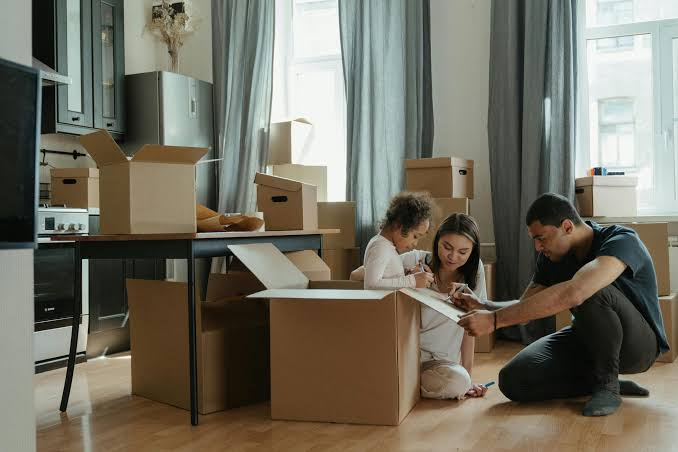
Moving to a new home is exciting, but the process of getting there often feels like a test of patience. Between packing boxes, sorting belongings, coordinating schedules, and making sure nothing gets left behind, even a relatively simple move quickly becomes overwhelming. Experienced movers such as super moving bros. bring structure to the process and reduce much of the pressure surrounding moving day. With the right preparation and a clear plan, the entire experience feels more manageable, leaving more time and energy to focus on settling into your new space.
Start planning earlier than you think
One of the easiest ways to reduce moving stress is to start preparing well before moving day.
Begin by creating a basic timeline. List the major tasks that need to be completed, then work backward from your moving date. This can include sorting belongings, gathering packing supplies, changing your address, organizing important documents, and deciding what should be packed first.
Starting early also gives you time to deal with unexpected problems. If you discover that a large piece of furniture will not fit through a doorway, for example, it is much easier to solve the problem a week in advance than on moving morning.
Declutter before you pack
Moving everything you own simply because you already own it can create unnecessary work.
Go through each room and decide what you genuinely want to bring with you. Items that are broken, unused, outdated, or no longer needed can be donated, sold, recycled, or discarded.
This makes packing faster and reduces the number of boxes that need to be transported. It can also make unpacking feel much more satisfying because you are bringing fewer unnecessary belongings into your new home.
Pack with unpacking in mind
Packing is not just about getting items into boxes. Good packing should also make the other end of the move easier.
Label every box clearly with both its contents and the room where it belongs. Instead of simply writing “kitchen,” add a little more information, such as “kitchen utensils” or “kitchen pantry.” Small details can save a surprising amount of time later.
It also helps to pack a separate essentials box with anything you may need during the first day or night. Toiletries, chargers, medications, basic cookware, important documents, clean clothes, and a few snacks can all be useful.
That way, you will not find yourself opening ten boxes just to locate your toothbrush.
Protect furniture and fragile belongings
A rushed move can easily result in scratches, broken items, or damaged furniture.
Wrap fragile belongings carefully and avoid leaving empty space inside boxes where objects can shift during transportation. Heavier items should generally be placed at the bottom, with lighter items above them.
Furniture may also need extra protection around corners, legs, glass surfaces, and delicate finishes. Taking a few extra minutes during preparation can prevent damage that is far more frustrating to deal with afterward.
Keep moving day organized
Moving day works best when everyone knows what needs to happen and in what order.
Keep pathways clear so furniture and boxes can be carried safely. Make sure important items are separated from everything being loaded, especially keys, documents, wallets, phones, and anything else you need immediate access to.
If possible, have a simple room plan for the new home. Knowing where larger furniture belongs can reduce unnecessary lifting and prevent items from being moved several times.
Do not overlook cleaning
Cleaning is one of the most commonly underestimated parts of moving. Once furniture, rugs, storage bins, and boxes are removed, areas that were previously difficult to reach suddenly become visible. Dust often collects behind large furniture, inside cabinets, along baseboards, and in corners that rarely receive attention during normal cleaning. Leaving the old home thoroughly cleaned makes the final handover easier, while cleaning the new home before unpacking creates a much better starting point. If the job feels too large to handle alongside everything else, contact Oasis Natural Cleaning and keep the rest of the move focused on packing, transport, and settling in. An empty space is also considerably easier to clean because there are fewer obstacles in the way. Planning this step in advance prevents cleaning from becoming one more exhausting task at the end of an already busy day.
Give yourself time to settle in
Try not to treat unpacking as a race.
Start with the rooms and belongings you need most, then work through the rest gradually. Setting up sleeping areas, basic kitchen items, and everyday essentials first can make the home functional while you continue organizing.
A move can feel unfinished while boxes are still sitting around, but trying to unpack everything immediately often creates more stress than necessary.
Fun Fact: People often underestimate how much they own because belongings are spread across drawers, cabinets, closets, storage areas, and different rooms. Packing everything into boxes makes the true volume much more noticeable, which is one reason decluttering before a move can make such a dramatic difference.
Make the move work for you
A smoother move usually comes down to preparation rather than speed. Starting early, packing thoughtfully, protecting your belongings, keeping moving day organized, and planning for cleaning can remove much of the pressure from the process.
Instead of viewing the move as one enormous task, break it into smaller stages. Each completed step brings you closer to a fresh start, without turning moving day into unnecessary chaos.
