
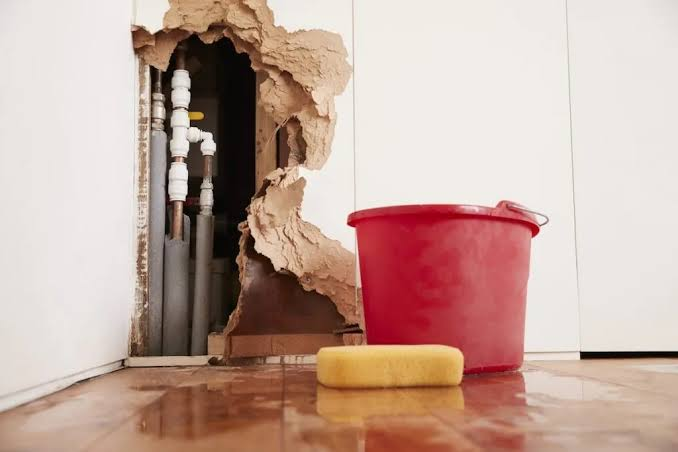
Water damage is not always as obvious as a soaked carpet or a puddle spreading across the floor. In many cases, the water you can see is only a small part of the problem. A leak may be cleaned up quickly, a stain may begin to fade, and the room may even feel dry again. Meanwhile, moisture can remain trapped inside walls, beneath flooring, around cabinetry, or within insulation. That hidden moisture can continue causing problems long after the original leak appears to be resolved. Understanding where water travels, what it can affect, and when professional water damage restoration may be necessary can help homeowners recognize when a simple cleanup may not be enough.
Water can travel farther than expected
Water rarely stays exactly where it enters a home. Once it reaches porous materials, it can spread outward and downward.
Drywall can absorb moisture beyond the visible stain. Wood can draw water into surrounding sections. Flooring may allow moisture to reach the subfloor beneath it. Even a relatively small plumbing leak can affect an area much larger than homeowners initially expect.
This is one reason the size of the visible wet spot does not necessarily reflect the true extent of the damage.
Water can also move through small gaps around pipes, joints, baseboards, and wall cavities. By the time discoloration or other visible signs appear, moisture may already have reached materials that are difficult to inspect without specialized equipment.
A surface can feel dry while moisture remains underneath
One of the most misleading parts of water damage is that surfaces can dry faster than the materials behind them.
A wall may no longer feel damp to the touch, yet moisture can remain inside the drywall or insulation. Flooring may look completely normal while the subfloor underneath is still holding water.
Professional moisture meters and thermal imaging equipment can help identify areas where moisture remains even when there are few visible signs.
Finding these areas early matters because repair work performed over damp materials can trap moisture inside the structure. Painting a wall, replacing trim, or installing new flooring may improve the appearance of the room without addressing the original problem.
Hidden moisture can slowly damage building materials
Many materials inside a home react poorly to prolonged moisture exposure.
Wood may swell, warp, or lose its shape. Drywall can soften and begin deteriorating. Paint may bubble or peel. Flooring can separate, buckle, or develop uneven areas.
Sometimes these changes happen quickly. In other situations, the damage becomes noticeable weeks later.
A homeowner might hear creaking under a section of flooring, notice a persistent odor, or discover that a cabinet door no longer closes properly. These small changes can be signs that moisture affected materials beneath the surface.
The longer those materials stay wet, the more difficult it may become to restore them.
Standing water creates an even greater risk
Larger leaks, overflowing fixtures, broken pipes, and flooding can allow water to reach several parts of a room within a short period. Removing visible water is an important first step, but extraction alone does not necessarily mean the affected area is dry. The Quick-Dry Flood Services of San Diego website highlights how water can continue affecting wall cavities, flooring systems, structural wood, and other absorbent materials even after the visible water is gone. Controlled drying helps remove that remaining moisture, while air movement, dehumidification, and moisture monitoring may all play a role in determining whether affected areas are actually drying as expected. This is especially important after significant water exposure because large amounts of moisture can migrate into areas far beyond the original source. What begins as a wet floor can quickly become a much broader drying and restoration project.
Moisture can create conditions for mold growth
Persistent moisture can also create an environment where mold may develop.
The first warning is not always visible growth. A musty smell, recurring discoloration, or a room that constantly feels damp can sometimes indicate that moisture remains somewhere nearby.
Simply cleaning the visible surface may not solve the underlying issue if moisture is still present behind a wall or underneath flooring.
Addressing the source of the water and making sure affected materials are properly dried is an important part of reducing the chance of recurring moisture problems.
Repairs should come after the moisture problem is solved
It is tempting to focus on making a damaged room look normal again as quickly as possible.
Fresh paint can cover a stain. New baseboards can hide damaged trim. Replacement flooring can make the space appear finished.
But cosmetic repairs should not come before proper drying.
If damp materials are covered too soon, moisture can remain trapped behind the new surface. That can lead to additional deterioration and may eventually require the repair work to be done again.
A more complete approach is to identify where the water traveled, remove excess moisture, monitor the drying process, and then repair materials that could not be restored.
Fun Fact: Water can move through many building materials by capillary action, meaning moisture can travel through tiny spaces without flowing in the way we normally imagine. That is one reason a leak in one area can sometimes create moisture problems several feet away.
Do not judge water damage by what you can see
A dry-looking room does not always mean the problem is over.
After water enters a home, the most important questions are often about what cannot be seen. Where did the moisture travel? Which materials absorbed it? Is anything still damp behind the surface?
Taking those questions seriously can help prevent a manageable leak from turning into a much larger repair later. When water damage occurs, looking beyond the visible mess is often the key to protecting the home properly.
