
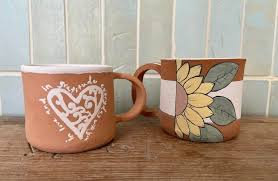
A mug may seem like a simple everyday item, but there can be a big difference between mass-produced drinkware and individual handmade pieces. Both types can hold your morning coffee or tea, yet the way they are made, how they feel, and how much choice they offer can be very different.
This becomes especially important when choosing custom ceramic mugs for a business, event, gift, or personal collection. Understanding how handmade and mass-produced mugs differ can help you choose something that fits your needs and feels right in your hands.
The Making Process Sets Them Apart
The biggest difference starts with how each mug is created. Handmade ceramic mugs are shaped and finished by a potter or ceramic artist. Some are formed on a pottery wheel, while others are made using molds or hand-building methods. The maker may shape the handle, smooth the surface, apply glaze, and inspect each mug before it goes into the kiln.
Mass-produced mugs are made with machines and molds designed to create large numbers of nearly identical pieces. This makes production faster and helps keep the price lower, especially when thousands of mugs are needed.
Neither method is automatically better. The right choice depends on whether you value speed and consistency or individual character and craftsmanship.
Fun fact: Pottery is one of the oldest crafts in human history, with ceramic objects dating back thousands of years.
Handmade Mugs Have More Individual Character
One of the main reasons people enjoy handmade ceramics is that no two pieces are completely identical. A small difference in shape, glaze, handle size, or color can make each mug feel unique.
These small variations are often part of the appeal. Instead of looking like an object that came straight from a factory line, a handmade mug can show signs of the person who created it.
This can be especially useful for personalized mugs and custom designs. A maker may be able to adjust colors, shapes, textures, names, messages, or other details to create something that feels much more personal.
For gifting, this can make a simple mug feel more thoughtful. A custom pottery mug made for a birthday, wedding, employee gift, or special event can become something the person keeps for years.
Materials Can Change How a Mug Feels
Ceramic mugs can be made from different types of clay, and the material affects their weight, look, strength, and texture. Stoneware is a popular choice because it is strong, durable, and well suited for everyday drinkware.
Handmade stoneware mugs often feel heavier and more solid than thin factory-made cups. The walls may also have small differences in thickness because of the way the mug was shaped.
Mass-produced ceramic mugs are usually designed to be very consistent. One mug should feel almost exactly like the next. That can be helpful for restaurants, offices, stores, or companies ordering large amounts of branded drinkware.
Fun fact: The color and final look of a ceramic glaze can change during firing because of heat, minerals, and the conditions inside the kiln.
Custom Designs Offer Different Possibilities
Customization is one area where both handmade and mass-produced mugs can be useful.
For smaller orders, handmade pottery can give buyers more creative freedom. A ceramic artist may be able to experiment with glaze colors, carved patterns, unusual shapes, custom handles, names, or decorative details.
For larger orders, mass production may make more sense. Logo mugs, promotional drinkware, company gifts, and event merchandise often require dozens or hundreds of matching pieces. In these cases, using the same design across every mug can help create a clean and professional look.
Businesses can also explore custom ceramic mugs that combine the character of pottery with consistent branding. A simple logo, company name, message, or custom color can turn an everyday object into something people actually use instead of another promotional item that gets forgotten.
Price Depends on More Than the Mug Itself
Handmade mugs are usually more expensive because more time and labor go into each piece. The price may cover designing, shaping, trimming, glazing, firing, checking, and sometimes decorating every mug individually.
Mass-produced mugs can usually be sold for less because machines and large production runs reduce the cost per item.
For a person buying one special gift, paying more for handmade craftsmanship may be worth it. For a business ordering wholesale ceramic mugs, cost per piece may matter much more.
There is also a middle ground. Some ceramic producers offer custom or semi-custom designs in larger quantities, allowing businesses to get a more distinctive product without paying the price of fully handmade individual pieces.
So, Which Type of Mug Should You Choose?
The answer depends on what you want from the mug.
Handmade ceramic mugs are a strong choice when individuality, pottery craftsmanship, texture, and personal details matter most. They work especially well as meaningful gifts, small collections, or custom pieces designed to feel special.
Mass-produced mugs make sense when price, speed, consistency, and large quantities are more important. They can be ideal for offices, events, retail products, promotional campaigns, and branded drinkware.
Custom ceramic mugs can sit somewhere between these two worlds. They can offer a clear design or brand identity while still giving buyers choices in shape, color, finish, material, and decoration.
In the end, a mug is more than a container for coffee or tea. It is something people may pick up every morning, leave on their desk all day, or keep in their kitchen for years. Whether it comes from a pottery studio or a larger production line, the best mug is one that looks good, feels comfortable, and suits the reason it was made.
