
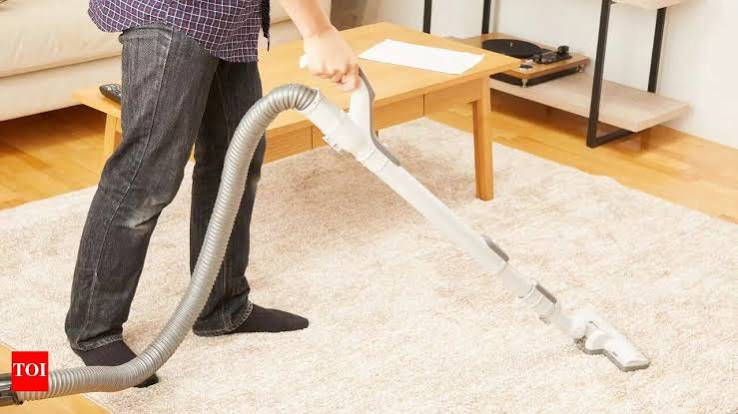
Most people clean the obvious parts of their homes on a regular basis. Floors get vacuumed, kitchen counters get wiped, bathrooms get scrubbed, and furniture gets dusted. Still, dirt has a way of finding places that are easy to miss. Paying attention to these hidden spots can go a long way toward making everyday upkeep easier. Some of the dirtiest areas in a home may be just a few inches away from the places you clean every week.
Knowing where dust, grease, crumbs, and germs tend to collect can make everyday cleaning much more effective. It can also explain why a room sometimes still feels dusty even after you have cleaned it.
The Space Under Large Appliances
The floor under the refrigerator, stove, washer, and dryer can collect an impressive amount of dirt. Crumbs, pet hair, dust, small pieces of food, and even lost objects often end up underneath these appliances.
Because these areas are difficult to reach, they may go months or even years without a proper cleaning. In the kitchen, food that falls beneath an appliance can also attract insects.
Moving large appliances safely is not always easy, so this is one area where professional home cleaning services can be especially useful. Experienced cleaners know how to reach difficult spaces and give areas that are normally ignored a more complete cleaning.
Fun fact: A refrigerator can release heat around its coils, which means dust collecting around them may make the appliance work harder than necessary.
Behind and Under Furniture
Sofas, beds, bookcases, and heavy chairs create perfect hiding places for dust. Even when you vacuum around furniture, small particles can slowly build up underneath them. Regular deep cleaning, whether handled on your own or with support from https://zenhomecleaning.com, can help keep these overlooked areas from becoming major dust traps.
The area behind a sofa may contain dust, hair, crumbs, and small items that have fallen between the cushions. Under the bed, dust can collect quickly because it is rarely disturbed.
If possible, move lighter furniture every few weeks and vacuum underneath it. Larger pieces may only need to be moved during a deeper cleaning.
Fun fact: Much of the dust found inside a home is made from tiny pieces of fabric, soil, pollen, hair, and other particles carried indoors.
Door Frames, Baseboards, and Wall Edges
People often focus on floors while forgetting about the surfaces directly above them. Baseboards are especially good at collecting dust because particles settle along their flat edges.
Door frames can have the same problem. The top of a door frame may look clean from below while holding a thick layer of dust that has been sitting there for months.
A damp microfiber cloth usually works well for these areas. Cleaning them from time to time can make an entire room feel fresher, even though these surfaces are not usually the first things people notice.
Light Switches and Door Handles
Some of the most frequently touched surfaces in a home are also some of the easiest to forget during regular cleaning. Light switches, cabinet handles, refrigerator handles, and door knobs may be touched many times each day.
Hands can leave behind oils, dirt, and germs. Since several people may touch the same surface, these spots are worth wiping regularly.
Use a suitable cleaner and a soft cloth, taking extra care around electrical switches. A few minutes spent on these small areas can make a big difference.
Fun fact: A light switch may be touched dozens of times in a busy household during a single day, yet it is often cleaned far less often than the floor.
The Tops of Cabinets and Tall Furniture
If you cannot easily see a surface, there is a good chance you are not cleaning it very often. The tops of kitchen cabinets, wardrobes, refrigerators, and tall shelves can develop thick layers of dust.
Kitchen cabinets may be even harder to clean because airborne cooking grease can mix with dust and create a sticky coating.
Using a step stool and a damp cloth can help, but safety should always come first. If an area is too high or difficult to reach, it is better to leave it to someone with the right tools.
Curtains, Blinds, and Window Tracks
Windows themselves often get attention, but the areas around them may not. Blinds can hold dust on every slat, while curtains can trap particles from the air.
Window tracks are another common trouble spot. Dust, dead insects, small leaves, and moisture can settle inside the narrow grooves.
Vacuuming the tracks first can remove loose dirt. A small brush and damp cloth can then handle what remains. Curtains should also be washed or vacuumed according to their care instructions.
Small Details Can Make a Cleaner Home
A home does not have to look dirty for hidden dirt to be building up. Many problem areas are simply outside our normal line of sight.
Adding a few forgotten spots to your regular cleaning routine can make the whole house feel cleaner. An occasional deep clean can help even more. Professional home cleaning services can be a valuable option for busy households or anyone who wants help reaching the areas that everyday cleaning often misses.
The goal is not to clean every hidden corner every day. Instead, pay attention to the places that are easy to forget and give them some care from time to time. Those small efforts can make a surprisingly big difference.
