
Workers’ compensation cases are meant to help employees who are hurt while doing their jobs. Benefits may cover medical care, part of the worker’s lost income, and other costs linked to the injury. However, disagreements can sometimes arise over how serious an injury is or how much it limits a person’s daily life, making accurate documentation especially important when preparing evidence for a formal hearing.
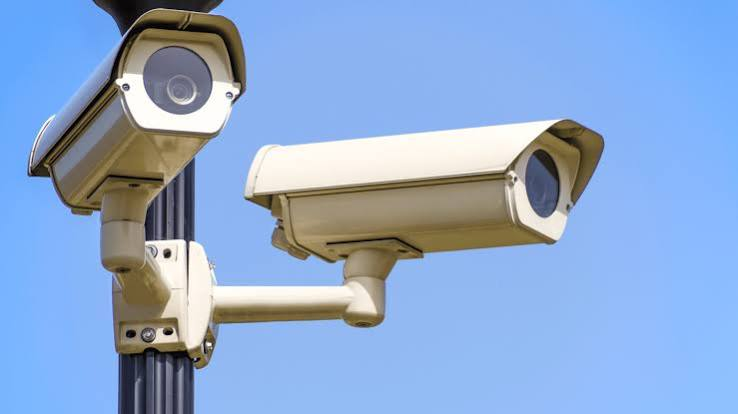
In some cases, insurance companies may use surveillance to gather more information about an injured worker. This can include photos, videos, social media activity, and other forms of observation. Surveillance does not automatically prove that someone is being dishonest. It is simply one type of evidence that may become part of a larger workers’ compensation case.
Why Insurance Companies May Use Surveillance
Insurance companies often use surveillance when they want to compare a worker’s reported limits with what that person appears able to do in daily life. Investigators may watch activities that take place in public areas, such as outside a home, in a parking lot, or near a store.
For example, imagine that an injured worker says a back injury makes it difficult to lift heavy objects. If an investigator records that person carrying a large piece of furniture, the insurance company might try to use the video as evidence that the injury is less serious than claimed.
However, a short video does not always tell the full story. Someone may be able to lift something once but experience serious pain afterward. A person may also have good days and bad days while recovering from an injury.
This is one reason context is so important in workers’ compensation cases.
What Investigators May Look For
Surveillance usually focuses on activities that could relate to the worker’s reported injury. Investigators may watch how a person walks, drives, shops, exercises, works around the house, or takes part in hobbies.
They may also pay attention to whether the worker appears to use medical equipment such as braces, canes, or crutches.
Insurance investigators are generally limited to observing activities that can legally be seen from public areas. The exact rules can vary depending on state law and the circumstances of the case.
Social media can also become a source of information. Photos, videos, comments, and public posts may be reviewed by an insurance company. A picture of someone hiking, playing sports, traveling, or doing physical work could raise questions if the activity seems very different from what was reported during the claim.
Still, a social media post rarely explains how someone felt before or after the activity.
Surveillance Can Be Misleading
Video evidence may look convincing at first, but it can be easy to misunderstand. A few minutes of activity do not necessarily show what a person can safely do for an entire day.
For example, someone recovering from a knee injury might be recorded walking normally from a car to a store. What the video may not show is that the person spent the rest of the afternoon resting because the walk caused swelling and pain.
The same issue can happen with lifting, bending, exercising, or doing household chores. Injured workers may still perform normal activities from time to time. Having an injury does not always mean a person is unable to do anything at all.
Fun fact: Surveillance videos used in legal cases may contain hours of footage even when only a few seconds or minutes are eventually considered important.
This is why lawyers often review not only the activity shown in a recording but also the timing, length, and full circumstances surrounding it.
How Workers’ Compensation Lawyers Can Help
Workers’ compensation lawyers can play an important role when surveillance becomes part of a claim. They can review the footage, compare it with medical records, and help explain whether the video truly conflicts with what the injured worker has reported.
A skilled lawyer at California Workers’ Compensation Lawyers, APC looks closely at how the surveillance was collected and whether it fairly represents the worker’s condition. The review often focuses on where the investigator was located, how long the observation lasted, whether any footage is missing, and whether the recording gives an accurate picture of the person’s everyday limitations.
Medical evidence is also important. Doctors, treatment records, test results, and physical therapy notes may provide much more information about an injury than a short recording.
Workers’ compensation lawyers can help connect these pieces of evidence and present the full story rather than allowing one video clip to define the entire case.
They can also advise injured workers about statements, medical appointments, social media use, and other issues that might affect a claim. Having someone who understands workers’ compensation rules can make the process much easier to manage.
Honesty Is the Best Protection
One of the simplest ways for injured workers to protect themselves is to be accurate about their symptoms and limits. There is no need to exaggerate an injury, but workers should not minimize real pain or difficulties either.
If a doctor says a person can lift up to a certain amount of weight, the worker should try to follow those instructions. If certain activities make symptoms worse, that information should be shared with medical providers.
Workers should also remember that public social media posts can sometimes be reviewed during a claim. A photograph only captures one moment and may not show pain or recovery time, but it can still create questions.
Fun fact: A cheerful vacation photo does not prove that someone is pain-free. People often smile for pictures even when they are dealing with injuries or other problems.
Being consistent and truthful helps medical records, personal statements, and daily activities tell the same overall story.
Surveillance Is Only One Piece of the Puzzle
Surveillance can affect a workers’ compensation case, but it should rarely be viewed by itself. A video may provide useful information, yet it cannot always show pain, weakness, swelling, medication side effects, or what happens after an activity ends.
Strong workers’ compensation cases usually depend on many forms of evidence, including medical records, doctor opinions, workplace reports, witness statements, and information about how the injury affects the employee’s ability to work.
When surveillance becomes part of a claim, workers’ compensation lawyers can help make sure the evidence is viewed in the proper context. Their knowledge can be especially valuable when an insurance company tries to use a short moment of activity to challenge a much larger medical history.
For injured workers, the best approach is usually simple: follow medical advice, give accurate information, understand that public activities may be observed, and seek qualified legal guidance when questions or disputes arise.
