
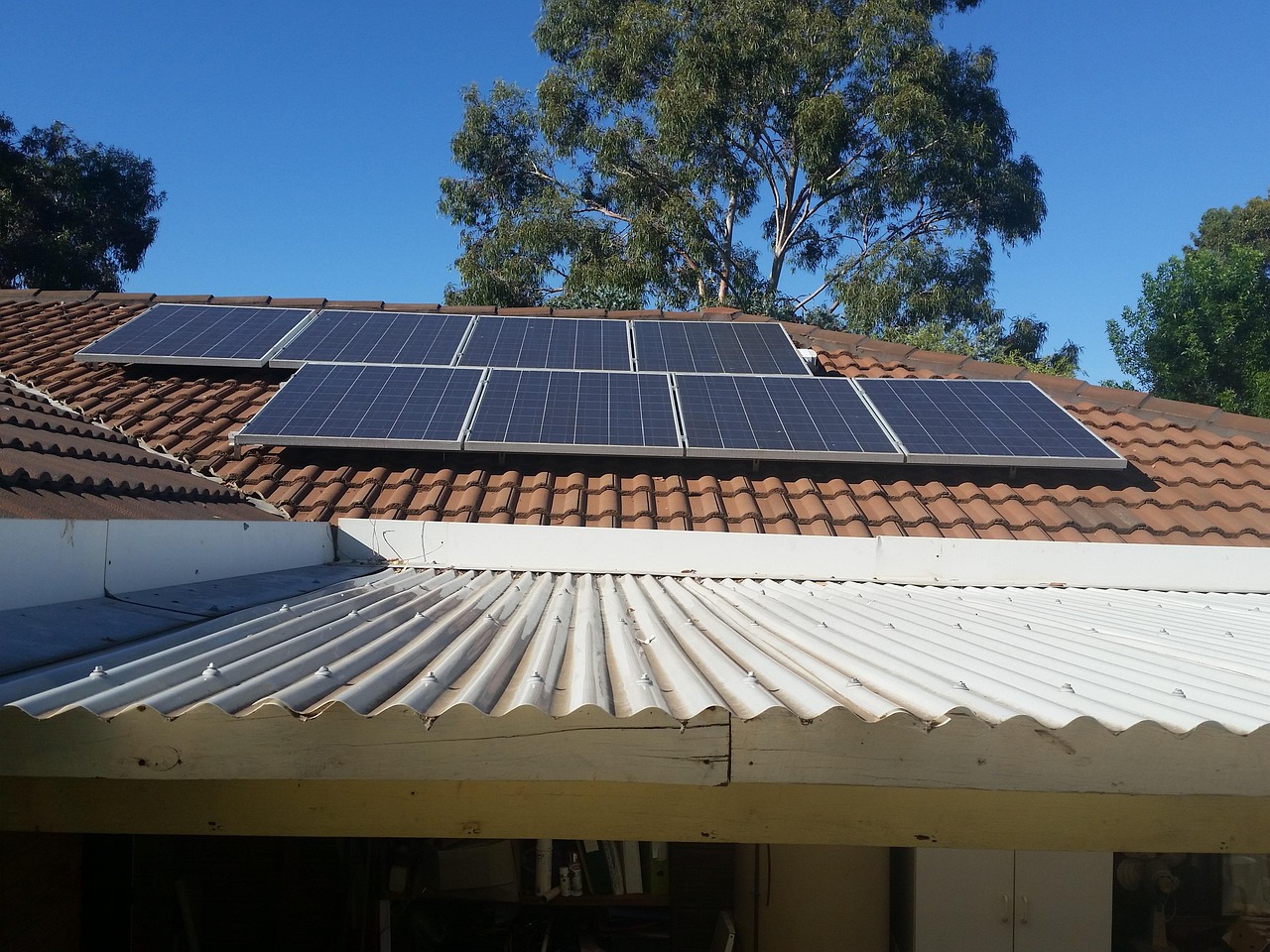
Residential solar installation is an increasingly popular choice for homeowners seeking to reduce energy costs and lower environmental impact. This comprehensive guide covers the essential aspects of installing solar systems in a residential setting, including benefits, planning, technology, and maintenance. Understanding these factors can assist homeowners in making informed decisions about adopting solar power.
Introduction to Residential Solar Systems
Solar energy systems convert sunlight into electricity, providing an alternative to traditional grid power. Residential solar installations primarily use photovoltaic (PV) panels mounted on roofs or other suitable locations. These panels capture sunlight and convert it into direct current (DC) electricity, which is then transformed into alternating current (AC) for home use.
Adopting residential solar systems offers several advantages, including significant reductions in electricity bills, increased property value, and positive environmental contributions by reducing carbon emissions. Homeowners are encouraged to investigate residential solar installation options to identify systems tailored to their energy requirements.
Benefits of Residential Solar Installation
The primary benefit of installing solar panels at home is the potential for considerable savings on energy bills. By generating electricity onsite, households become less dependent on grid power, leading to lower monthly expenses. Additionally, many regions offer incentives, rebates, and tax credits to encourage adoption of solar technology.
Environmental benefits are also significant. Solar power is a renewable energy source that emits no greenhouse gases during operation, contributing to reduction in a household’s carbon footprint. This aligns with global efforts to combat climate change by transitioning to sustainable energy sources.
Another advantage is energy independence. With solar panels, homes gain some resilience against rising electricity prices and potential power outages, particularly when coupled with battery storage systems.
Planning a Residential Solar Installation
Before proceeding with installation, careful planning is essential. This process begins with assessing the household’s energy consumption patterns and determining the appropriate system size. A solar installer typically conducts a site evaluation, considering factors like roof orientation, shading, and available space.
Financial considerations also play a critical role in the planning stage. Homeowners should calculate upfront costs, potential savings over time, and available government incentives. Many installation providers offer financing options, including loans and leasing, to ease initial investment barriers.
Choosing the Right Solar Components
The choice of solar panels is crucial to system performance. Popular types include monocrystalline, polycrystalline, and thin-film panels, each with distinct efficiency rates and costs. Monocrystalline panels are commonly used in residential settings due to their high efficiency and longevity.
Inverters are another vital component, converting DC electricity to AC. Options include string inverters, microinverters, and power optimisers. Each type has advantages depending on installation complexity and shading conditions.
Regulatory and Legal Considerations
Residential solar installation often requires compliance with local building codes and regulations. Homeowners should obtain necessary permits before installation begins. Furthermore, the process of connecting the solar system to the grid usually involves coordination with the local electricity provider, ensuring adherence to safety and technical standards.
The Installation Process
Installation typically involves mounting solar panels onto the roof or ground mounts, wiring the components, and setting up the inverter and other system hardware. Experienced technicians ensure the equipment is securely installed and complies with regulations.
After installation, the system undergoes testing to verify proper operation. Final inspections by local authorities or utility companies may be necessary to approve the system for use.
Maintenance and Monitoring
Residential solar systems generally require minimal maintenance. Regular cleaning of panels may be needed to remove dust and debris, ensuring optimal performance. Monitoring software can help homeowners track energy production and system health in real-time.
Periodically, professional inspections can identify any issues such as panel damage or inverter faults, allowing timely repairs. Maintaining system efficiency prolongs lifespan and maximises financial returns.
Financial Considerations and Incentives
The costs associated with residential solar installation have decreased substantially over recent years, making it more accessible. Initial investments vary depending on system size and equipment quality. Payback periods typically range from five to ten years, after which energy savings generate net benefits.
Government incentives play a pivotal role in enhancing affordability. These may include feed-in tariffs, rebates, tax credits, or grants. Researching available programmes specific to the property location can significantly affect the overall cost-benefit analysis.
Conclusion
Residential solar installation represents a viable and sustainable energy solution for homeowners aiming to reduce energy costs and environmental impact. By understanding the technology, benefits, planning requirements, and maintenance, homeowners can take full advantage of solar power’s potential.
Consulting reputable providers and conducting thorough assessments is recommended to ensure optimal system design and performance. Engaging with professional services will help navigate regulatory frameworks and installation logistics.
Also read: How Do You Choose the Right Commercial Solar Panel Companies for Solar Installation Columbus?
For those interested, detailed information and professional assistance regarding residential solar installation is accessible online. Embracing solar technology contributes to a greener future while delivering financial savings and energy security.
