
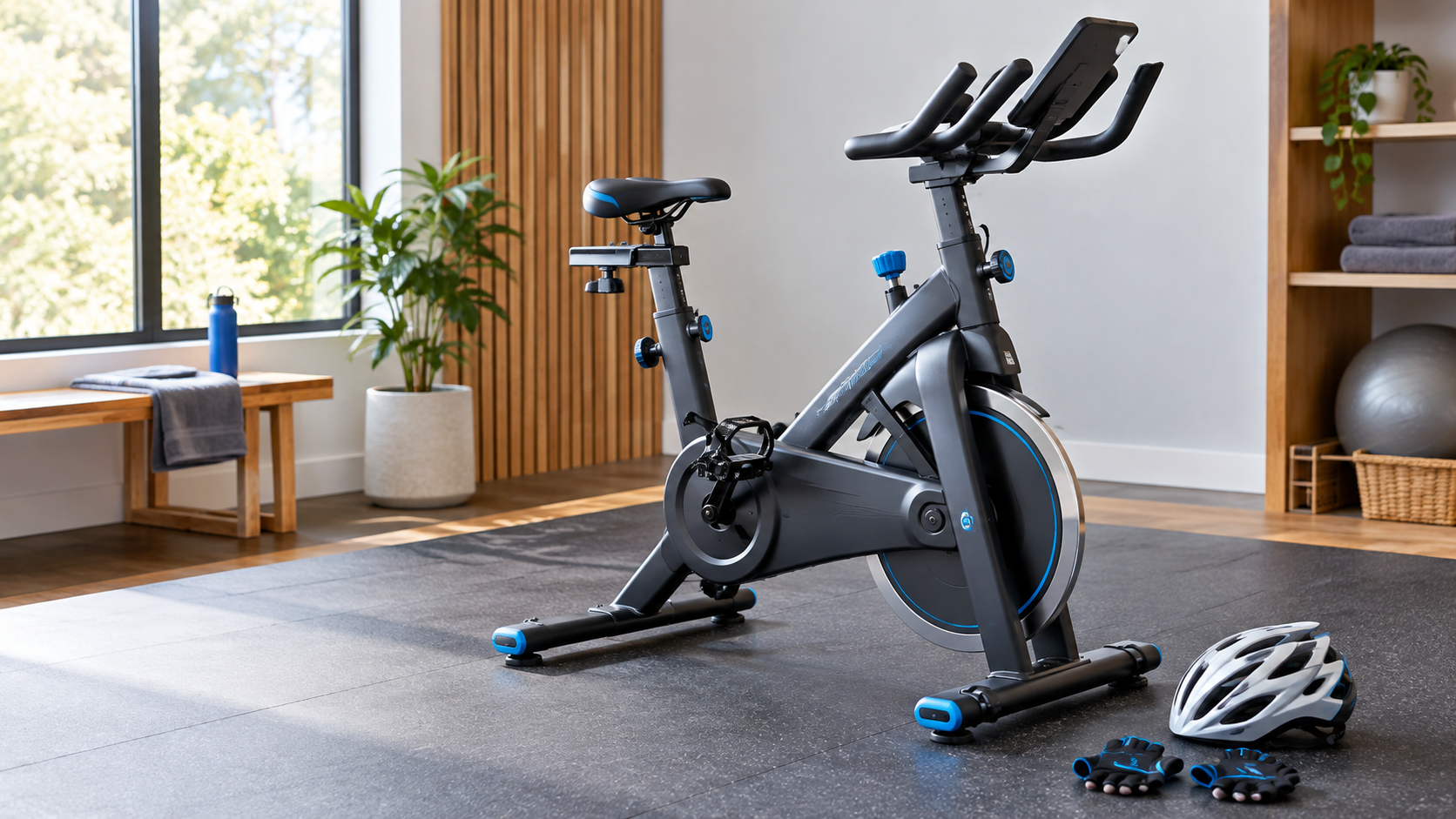
Bicycling offers a great form of exercise and is an excellent way to save money and see the world. It’s also an activity where some brilliant habits can mean the difference between a great ride and an accident. From commuting through busy urban streets to weekend backcountry trails, or indoor training times, safety should always come first. From essential bike safety gear to essential bike inspection tips and safer alternatives, this guide covers it all.
Why Does Protective Gear Matter?
Your gear is your first defense, so don’t go without it.
- A certified helmet that sits level and snug on your forehead
- Bright or reflective clothing so drivers spot you early
- Padded gloves to protect your hands and reduce fatigue
- Closed-toe shoes with good grip on the pedals
- Eye protection to shield against dust, insects, and glare
Take the helmet off after any blow, even if it has no visible damage. If you “buy exercise bike online” for indoor exercise, have these items in place for outdoor cycling.
Can Indoor Cycling Make Training Safer?
Not all rides are limited to the road. Training outdoors carries risks of heavy traffic, wet weather, and low light levels. A lot of riders opt for the indoor bike because they can train at home at any time of the year without having to consider cars or slippery conditions.
What to Look for in an Indoor Bike
Once you have considered the floor area, compare these features when choosing a bike:
|
Feature |
Why It Matters |
|---|---|
|
Adjustable seat and handlebars |
Creates a comfortable, injury-free riding position |
|
Sturdy frame and stable base |
Prevents wobbling during hard efforts |
|
Smooth resistance system |
Reduces strain on knees and joints |
Shopping Locally or Digitally
For those who prefer to experience the bike first hand, have a visit to a showroom where they can test out the bicycle before purchase, one that buy exercise bike Melbourne shoppers trust. A wider choice is available online, but first check the warranties and maximum user weight.
How Can You Ride Defensively on the Road?
Cyclists are hard to see; take responsibility for making yourself visible to others on the road. Defensive riding means staying alert and predictable.
Be Visible and Predictable
Always ride in a straight line and maintain a safe distance from car doors and curbs. Be sure to use hand signals early and clearly before you turn or stop, and always do what traffic lights and signs are telling you.
Watch for Common Hazards
Most crashes involve a few repeat situations. Pay special attention near:
- Car doors opening suddenly on busy streets
- Vehicles turning left across your path
- Wet leaves, gravel, and painted road markings
- Tram tracks and drain grates that can catch a narrow tire
What Should You Check Before Every Ride?
It takes only 2 minutes to undertake a check to stop a mechanical failure at speed. For many cyclists, the ABC check is one of the only ways to proceed.
|
Check |
What to Look For |
|---|---|
|
A – Air |
Tires firm, with no cracks or embedded debris |
|
B – Brakes |
Levers respond firmly, and pads are not worn thin |
|
C – Chain |
Clean, lightly oiled, and running smoothly |
|
Quick releases |
Wheels and seat post are tight and secure |
How Do You Stay Safe in Different Conditions?
Road conditions vary according to weather, time of day, and company. Proper technique helps you stay in control, and when conditions are less than ideal, many riders buy fitness equipment online and start their workout at home.
Riding in Wet Weather
Rain makes it harder to stop and increases the slipperiness of road markings. Brake earlier and progressively, and steer clear of sudden turns.
Riding at Night
Low light makes you harder to spot and hazards harder to see. Use a white front light and a red rear light, and add reflective strips to your clothing.
Riding in a Group
Low light makes you harder to find and makes hazards harder to see. Utilize white lighting on the front and red lighting on the back of the vehicle, and wear reflective materials.
How Can You Build Fitness Safely?
A common cause of cycling injuries is going too fast. You’ll be focusing on a consistent and regular strategy to save your joints and ride for years.
- Warm up for five to ten minutes and stretch afterward
- Increase distance and intensity gradually each week
- Stay hydrated and fuelled, since fatigue slows your reactions
- Ease back in after a break with short, low-resistance rides; if you buy stationary bike models, choose one with adjustable resistance
Conclusion
Cycling safety is about preparation, awareness, and good habits. Dress appropriately, inspect your bike, observe traffic rules, and prepare for weather conditions. An indoor session is a good alternative when the weather doesn’t play ball. If you are looking to buy stationary bike gear, Melbourne stores suggest focusing on quality, fit, and support. So if you prefer shopping at home, purchase fitness equipment online from a trustworthy seller.
Also read: How to Handle an Unexpected Air Conditioning Breakdown
Ride smart, stay visible, and enjoy every kilometer.
