
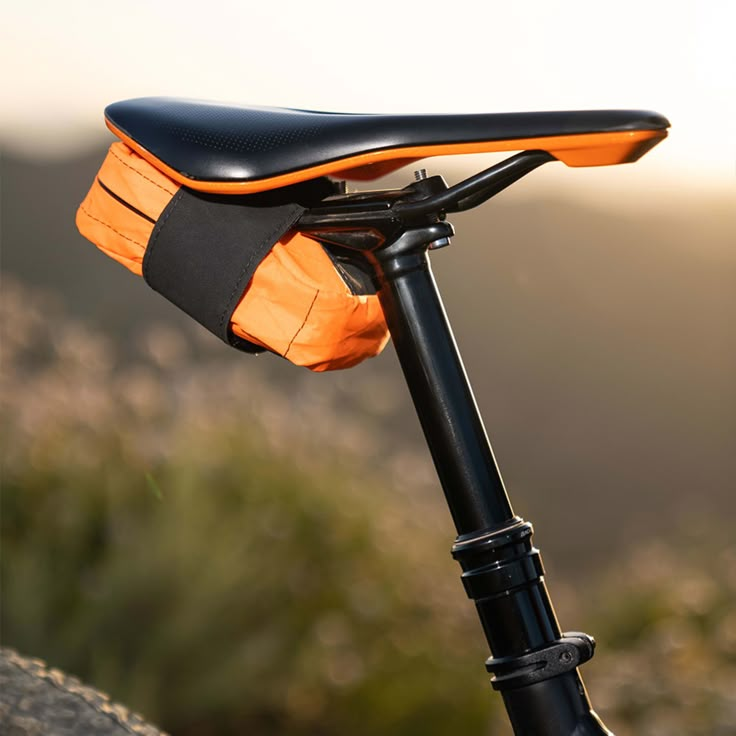
Good cycling storage should make a journey feel easier from the moment you leave home. Whether you carry repair tools, office clothing or supplies for a countryside ride, the right arrangement keeps essentials accessible without making your bicycle awkward to handle. Choosing the Best Cycling Saddle Bag is a useful starting point for carrying smaller items, but an effective setup depends on your route, bicycle and usual load. Thinking carefully about these details helps you avoid unnecessary bulk while keeping everything you need within reach throughout the journey.
Start with What You Actually Carry
Before comparing bags, lay out everything you normally take cycling. A spare inner tube, tyre levers and compact multitool need considerably less space than shoes, lunch and a laptop. Separating essential items from occasional extras gives you a realistic picture of your storage requirements.
Consider how your load changes throughout the week. Someone cycling to work might need substantial luggage on Mondays but only a small repair kit during weekend rides. A flexible arrangement often works better than leaving one oversized bag permanently attached. Choose capacity around regular journeys, then make allowances for less frequent trips.
Match the Storage Position to the Load
Different mounting positions suit different belongings. Underseat storage keeps compact repair equipment tucked away, while frame bags can hold denser items closer to the centre of the bicycle. Handlebar bags provide convenient access to snacks, a lightweight layer or other frequently used essentials.
Rear panniers offer more room for commuting supplies, groceries and touring equipment. However, their suitability depends on having a compatible rack and sufficient clearance around the rear wheel. Rather than choosing solely by appearance, picture where each item will sit. A sensible arrangement makes loading easier and reduces the need to rummage at every stop.
Check Compatibility Before Buying
A bag that looks ideal online may not fit your bicycle properly. Measure the available space and check mounting requirements before ordering. For underseat bags, inspect the distance between the saddle rails and rear tyre, allowing for any movement from suspension or a dropper seatpost.
For rack luggage, check the rack manufacturer’s permitted load and the bag attachment dimensions. Heel clearance also matters, especially on bicycles with shorter rear ends. Your feet should move freely without striking the luggage. Confirm that bags cannot touch the spokes, obstruct braking components or cover essential lights once fully packed and secured.
Understand What Weather Protection Really Means
British weather makes moisture protection a practical consideration throughout the year. However, water resistance and waterproof construction are not interchangeable. Fabric treatments may cope with light showers, while prolonged rain can expose weaknesses around seams, stitching and closures.
Look beyond the outer material. Welded seams, protected openings and correctly closed roll tops can all influence performance. Read the manufacturer’s guidance rather than relying on a product name. For electronics, spare clothing and important paperwork, an additional sealed inner bag provides useful protection. Even a well designed outer bag needs careful closing if it is to keep its contents dry.
Pack for Balance and Predictable Handling
Packing technique affects how a loaded bicycle feels. Place heavier items low where your luggage design allows, and avoid concentrating unnecessary weight high above the rear wheel. With paired bags, aim for a reasonably even load on each side.
Keep hard objects from pressing against delicate belongings. Tools can sit inside a small pouch, while spare clothing can cushion other equipment. Secure anything that might shift when cornering or riding over uneven surfaces. Before setting off, take a short test ride somewhere quiet. Check for swaying, rattling or changes in steering, then adjust the arrangement as necessary.
Keep Everyday Essentials Easy to Reach
A useful storage system should support your routine rather than interrupt it. Put frequently needed items somewhere accessible, so you can retrieve them without unpacking your entire load. This becomes particularly valuable during wet commutes or rides with several stops.
For example, keep a rain jacket near the opening and separate keys from the main compartment. Carry food away from tools and cleaning products. If you remove your luggage at work, consider how comfortably it carries off the bicycle. Handles, shoulder straps and straightforward release mechanisms can make a noticeable difference when walking between parking areas and buildings.
Leave Room for Visibility and Security
Adding luggage can change the visibility of your bicycle’s lights and reflectors. Check their position after loading, including from behind and at an angle. Reflective bag details can improve conspicuity, but they should complement appropriate lighting rather than replace it.
Pay attention to loose straps as well. Tuck away spare lengths so they cannot reach moving parts. At public parking locations, take valuables with you and remove easily detachable bags where practical. Attachment clips are designed primarily to hold luggage during riding; they should not be treated as theft protection. A quick removal routine makes everyday stops much simpler.
Maintain Your Bags Between Rides
Road spray, grit and repeated handling can wear luggage over time. Wipe away dirt after wet journeys and allow bags to dry before storing them. Follow the care instructions, particularly where specialist coatings or waterproof membranes are involved.
Inspect mounting hooks, buckles and straps regularly. Small changes, such as a loosening fastener or damaged retaining clip, are easier to address before they affect a journey. Avoid forcing closures around an overfilled compartment, and keep sharp tools covered. A little routine attention helps preserve both the bag’s condition and the reliability of its attachment to your bicycle.
Build a Setup That Suits Your Riding
Visit this website: Essential Guide to Bog Mats for Ground Protection
The most useful cycling storage reflects what you carry, where you ride and how often you stop. Start with essential capacity, confirm compatibility and practise packing before a demanding journey. Smaller bags can keep short rides straightforward, while Waterproof Double Pannier Bags may suit riders carrying bulkier commuting or touring supplies, provided their construction and rack compatibility meet the task. With balanced loading and regular checks, your luggage becomes a practical part of the ride.
