
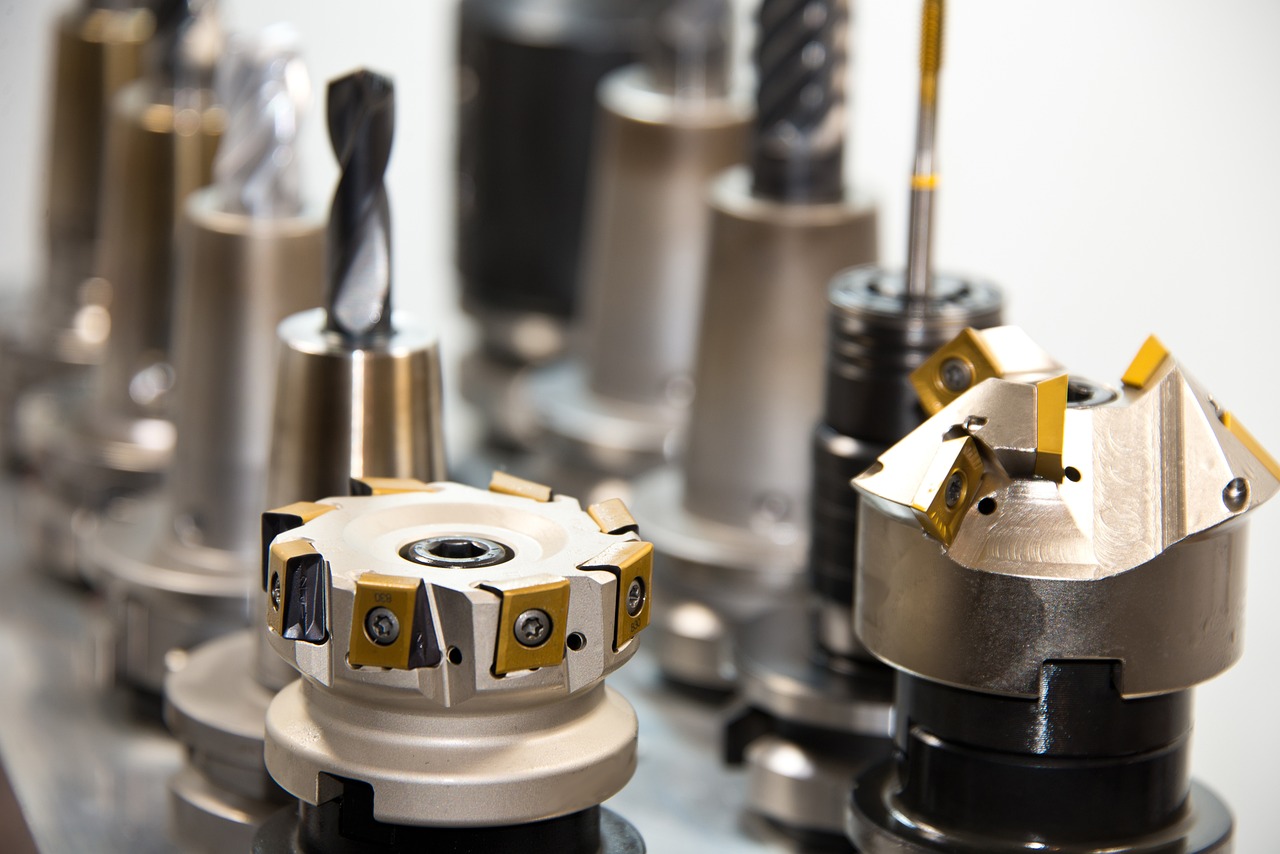
Choosing the right CNC equipment is an important decision for manufacturers seeking consistent accuracy, efficient production, and dependable long-term performance. Whether a workshop produces intricate mold designs, precision metal components, or detailed engraved surfaces, the quality of its machinery can directly influence production costs and finished product quality. Sourcing a suitable Engraving And Milling Machine requires more than comparing prices. Buyers must evaluate technical specifications, application requirements, maintenance needs, and supplier support before making an investment.
Zelatec is a brand worth researching when exploring specialized industrial machining equipment. By understanding the essential purchasing considerations, manufacturers can assess whether a Zelatec Engraving And Milling Machine fits their production requirements and offers practical value over its expected service life.
Understanding Your CNC Machining Requirements
Before contacting suppliers, manufacturers should identify the materials they intend to process and the types of components they need to produce. Aluminum, copper, steel, plastics, and other materials have different machining characteristics, so the machine must be suitable for the intended workload.
An Engraving And Milling Machine can perform detailed engraving, surface machining, slot cutting, and the production of complex shapes, depending on its configuration. However, a system designed primarily for fine engraving may not provide the rigidity or spindle power needed for demanding metal removal.
Workpiece dimensions, required tolerances, surface finish, and expected production volume should also influence the purchasing decision. Defining these requirements early makes it easier to compare available models and avoid paying for features that are unnecessary for the application.
Evaluating Zelatec Engraving And Milling Machine Specifications
When sourcing a Zelatec Engraving And Milling Machine, buyers should review the machine’s technical documentation carefully. Spindle speed, spindle power, positioning accuracy, repeatability, working area, and supported tooling all influence the range of operations the equipment can handle.
Machine rigidity deserves particular attention when machining metal or producing precision molds. Excessive vibration can affect surface quality, dimensional accuracy, and cutting-tool life. A stable frame, suitable drive components, and a properly designed motion system help maintain consistent machining results.
Control software is another important consideration. Buyers should confirm compatibility with their existing CAD/CAM workflow, supported file formats, and the programming methods used by their production team. A machine that integrates smoothly into existing operations may reduce training time and simplify production planning.
Zelatec should be evaluated through verified specifications rather than assumptions based on the brand name alone. Requesting detailed model information helps establish whether the equipment can meet the required machining tolerances and production targets.
Comparing Suppliers, Pricing, and Long-Term Costs
The initial purchase price is only one part of the total cost of ownership. Installation, tooling, operator training, routine servicing, replacement components, and potential downtime can all affect the overall investment.
When comparing suppliers offering a Zelatec Engraving And Milling Machine, request a clear quotation that explains what is included. Confirm whether the price covers installation, software, accessories, training, warranty protection, and after-sales support.
It is also useful to ask about spare-part availability and expected service response times. A competitively priced machine can become expensive to operate if essential components are difficult to obtain or technical assistance is limited.
An Engraving And Milling Machine should therefore be assessed according to its expected productivity and operating costs, not simply its upfront price. Comparing these factors across suitable models provides a more realistic basis for purchasing decisions.
Checking Precision Through Practical Testing
Technical specifications are useful, but practical testing can provide additional confidence before placing an order. If possible, ask the supplier to demonstrate the machine using a sample component similar to the parts you intend to manufacture.
Inspect the finished workpiece for dimensional accuracy, surface quality, edge consistency, and repeatability. For applications involving detailed mold features, examine whether the machine can reproduce fine geometries without noticeable defects.
A sample machining trial can also reveal how easily the machine handles tool changes, workpiece setup, and program adjustments. These practical details often influence everyday productivity more than a single headline specification.
For businesses sourcing a Zelatec Engraving And Milling Machine, documented test results can help confirm whether the proposed configuration suits the intended application. Buyers should establish acceptance criteria before testing so that results can be compared objectively.
Understanding Maintenance and Technical Support
Reliable CNC equipment requires regular inspection and maintenance. Spindle condition, lubrication, guideways, drive components, electrical systems, and cooling arrangements should be maintained according to the manufacturer’s recommendations.
Before purchasing, ask the supplier for the maintenance schedule, operator documentation, warranty conditions, and procedures for obtaining technical assistance. It is also worth confirming which maintenance tasks can be handled by in-house personnel and which require a qualified technician.
A well-supported Engraving And Milling Machine can help manufacturers maintain consistent output and reduce unexpected interruptions. Clear documentation and access to replacement parts are especially important for businesses operating under demanding production schedules.
When considering Zelatec, buyers should verify the support arrangements available for the specific model and their location rather than assuming that every supplier offers identical services.
Applications and Future Production Needs
CNC engraving and milling equipment can support industries such as mold making, electronics, automotive manufacturing, industrial tooling, and precision component production. The appropriate machine depends on the complexity of the parts, the materials involved, and the level of accuracy required.
Manufacturers should also consider future requirements. A machine that meets today’s production needs may become restrictive if component sizes increase or more demanding materials are introduced. Evaluating working capacity, software capabilities, tooling options, and potential automation can help businesses plan for growth.
A Zelatec Engraving And Milling Machine should be selected with both current operations and realistic future demands in mind. The goal is to invest in suitable capabilities without unnecessarily increasing equipment and operating costs.
Conclusion
Sourcing high-precision CNC equipment requires careful planning, technical evaluation, and a clear understanding of long-term operating expenses. An Engraving And Milling Machine should match the materials, tolerances, component designs, and production volumes required by the business.
Visit this website: Sourcing Premium Srikel Pickleball Gear: Professional Buyer’s Guide
Zelatec is worth researching when comparing specialized machining solutions, provided the selected model meets verified technical and operational requirements. By reviewing specifications, comparing complete quotations, conducting practical machining tests, and confirming after-sales support, manufacturers can make a more informed purchasing decision and build a reliable foundation for efficient, precision-driven production.
