
Introduction
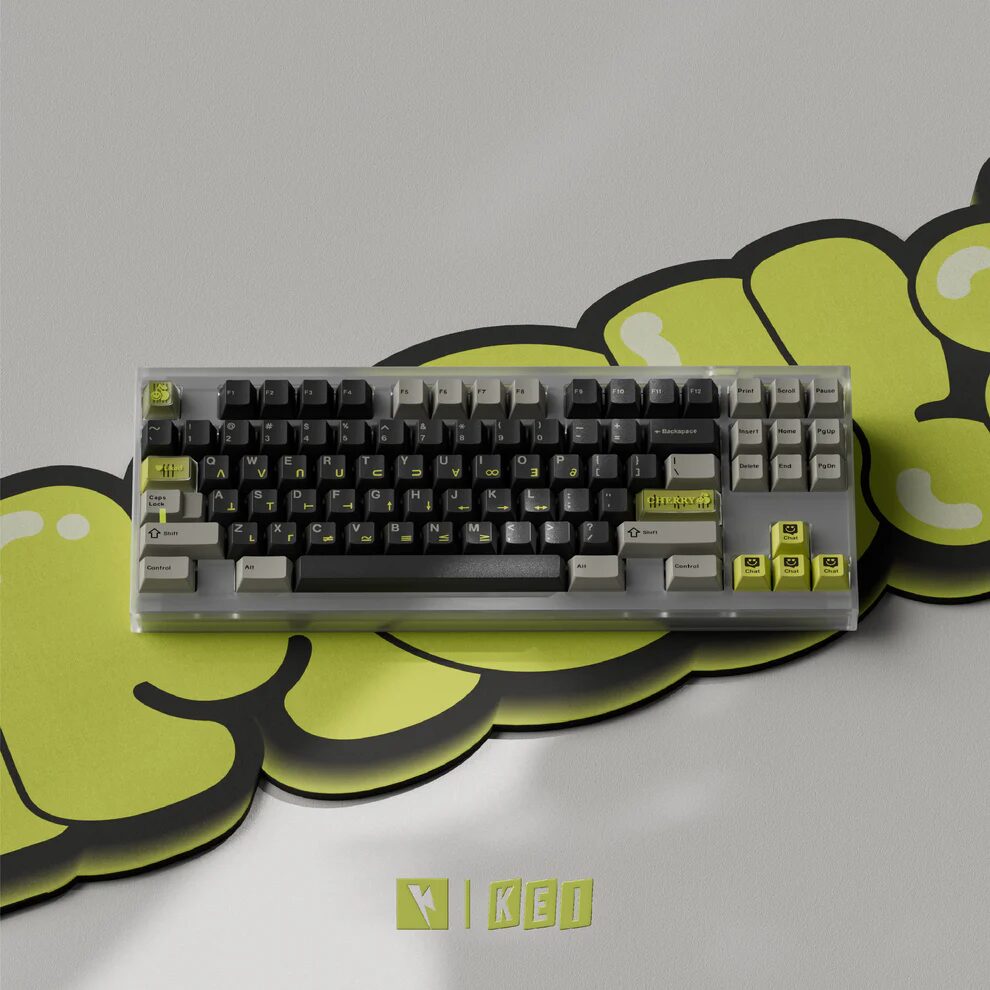
Mechanical keyboards are more than just tools for typing—they are a canvas for personalization and performance. One of the most effective ways to customize your typing experience is through custom keyboard keycaps. From aesthetic appeal to typing feel, keycaps can dramatically influence your interaction with your keyboard. In this guide, we will cover everything you need to know about custom keycaps, including their types, materials, profiles, selection tips, and maintenance best practices.
What Are Custom Keyboard Keycaps?
Custom keyboard keycaps are individual caps for each key on your mechanical keyboard that can be replaced to modify the keyboard’s appearance and feel. Unlike standard keycaps that come pre-installed on keyboards, custom keycaps offer a wide range of styles, colors, materials, and profiles to suit your personal preferences. Many enthusiasts choose custom keycaps to enhance ergonomics, improve typing speed, or simply to make their keyboard visually unique. According to a survey by Deskthority, over 60% of mechanical keyboard enthusiasts prefer at least partially customized keycaps for a more enjoyable typing experience.
Why Should You Consider Custom Keycaps?
Custom keycaps offer multiple benefits beyond aesthetics:
· Improved Typing Experience: Different profiles such as Cherry, OEM, or SA can provide a more comfortable and responsive typing feel for extended sessions.
· Durability: High-quality materials like PBT or POM resist wear and shine, lasting significantly longer than standard ABS keycaps.
· Personal Expression: With an array of colors, patterns, and artisan designs, you can match your keyboard to your personality or workspace theme.
· Enhanced Key Recognition: Legends with dye-sublimation or double-shot molding ensure the key markings remain clear over years of heavy use.
Consider a scenario where a user types 10,000 keystrokes per day. Standard ABS keycaps may develop a glossy sheen in just 6–12 months, while high-quality PBT keycaps maintain their texture and appearance for multiple years. This makes them not only a stylish choice but also a practical one for heavy users.
What Types of Materials and Profiles Are Available for Keycaps?
Understanding the materials and profiles is essential when choosing custom keycaps. Below is a summary:
| Material | Characteristics | Pros | Cons |
| ABS (Acrylonitrile Butadiene Styrene) | Smooth texture, lightweight | Affordable, widely available | Prone to shine, less durable |
| PBT (Polybutylene Terephthalate) | Textured, more rigid | Durable, resists shine, retains color | Higher cost, limited color options |
| POM (Polyoxymethylene) | Slick texture, smooth | Durable, low friction | Can feel slippery for some typists |
| Resin / Artisan | Custom, handcrafted | Unique aesthetics, collectible | Expensive, less uniform feel |
Keycap profiles define the shape and height of keys, affecting typing comfort. Common profiles include:
· OEM: Standard profile, sculpted for typing comfort, widely used in commercial keyboards.
· Cherry: Slightly shorter than OEM, preferred for fast typing and ergonomics.
· SA: Tall, sculpted, retro feel; popular among enthusiasts for aesthetics.
· DSA / XDA: Uniform key heights, flat tops, suitable for compact layouts.
How to Choose the Right Custom Keycaps for Your Keyboard?
Selecting the right custom keycaps requires considering both compatibility and personal preference:
1. Keyboard Layout: Ensure keycap sets match your keyboard layout (ANSI, ISO, 60%, 65%, TKL, etc.).
2. Switch Compatibility: Most keycaps are designed for MX-style switches. Check stem compatibility.
3. Material & Feel: PBT is ideal for durability; ABS offers smoothness; artisan resin for uniqueness.
4. Profile Preference: Try different profiles if possible. Cherry or OEM suits typing comfort; SA or DSA may prioritize aesthetics.
5. Legends & Printing Method: Double-shot or dye-sublimated legends last longer and resist wear.
6. Budget: Custom keycaps can range from $30 to $200+ per set. Balance between quality and cost.
For example, a software developer using a 65% keyboard may prioritize Cherry PBT keycaps for long typing sessions, while a designer may choose SA resin keycaps for aesthetic appeal. Visiting trusted sources and reviews ensures you make informed decisions. Learn more about custom keyboard keycaps options available today.
How to Maintain and Care for Custom Keycaps?
Proper maintenance ensures your custom keycaps remain visually appealing and functional:
· Regular Cleaning: Dust and grime accumulate over time. Use a soft brush or microfiber cloth weekly.
· Deep Cleaning: Remove keycaps and soak in warm soapy water every 2–3 months. Avoid harsh chemicals.
· Avoid Direct Sunlight: Prolonged exposure can fade colors, especially ABS keycaps.
· Prevent Excessive Force: Avoid hitting keys harshly; it prolongs the life of stems and legends.
Many enthusiasts share positive feedback after following proper maintenance routines, noting that PBT keycaps maintain their original texture even after years of heavy use.
Conclusion
Custom keyboard keycaps are a small but powerful upgrade for mechanical keyboards, offering enhanced typing comfort, durability, and personalization. By understanding the types, materials, and profiles, you can make an informed choice that fits your typing style and aesthetic preferences. Whether you are a programmer, gamer, or casual typist, investing in high-quality custom keyboard keycaps is a step toward a more satisfying keyboard experience. Start exploring the wide array of keycaps available and give your keyboard the upgrade it deserves.
