
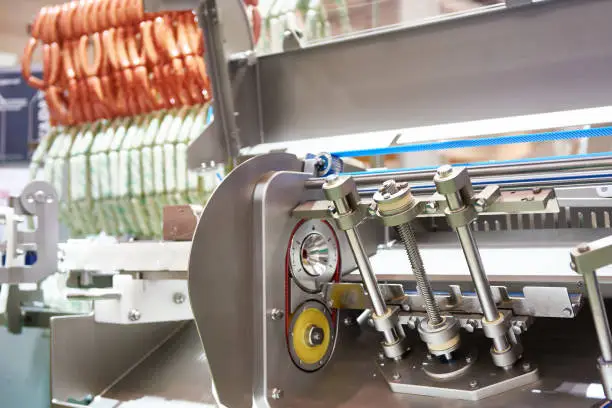
Preparing meat in a kitchen or food processing area involves more than simply cutting it into pieces. Different recipes require specific thicknesses, shapes, and portion sizes. An electric meat slicer helps produce even slices, while an electric meat cutting machine can handle other cutting tasks, depending on its blade design and construction.
Choosing the right equipment starts with understanding the type of meat and the final result you need. Thin slices for sandwiches require a different approach from strips for stir frying or chunks for stews. Matching the machine to the task helps reduce uneven portions and makes preparation more organized.
What Makes Cutting Precision Important?
Precision affects the appearance, texture, and cooking performance of meat. When pieces have similar dimensions, they are easier to arrange, portion, and cook consistently. Uneven cuts can lead to some pieces cooking faster than others, especially when preparing meat in batches.
Consistent cutting also helps kitchens manage portion sizes. Restaurants, butcher shops, and food preparation businesses often work with repeated recipes and serving requirements. Equipment that produces predictable results can make these daily tasks easier to manage.
Understanding the Main Parts of a Meat Cutting Machine
An electric meat cutting machine uses a motor to drive a blade or cutting mechanism. Its design determines the type of cuts it can produce and the amount of meat it can process in one session. Understanding these parts helps buyers identify equipment that suits their preparation needs.
Motor and Cutting Mechanism
The motor supplies the power needed to move the blade through meat. Motor strength, blade design, and the machine’s operating capacity all affect cutting performance. A machine designed for occasional home use may struggle with repeated heavy workloads.
The cutting mechanism also matters. Circular blades are common in slicing equipment, while other cutting machines use different blade arrangements. Before choosing a model, check which meat types and cutting methods the manufacturer supports.
Blade Size and Thickness Adjustment
Blade diameter affects the size of meat pieces that can pass through the cutting area. Larger blades can accommodate certain larger cuts, depending on the machine’s design. However, blade size alone doesn’t determine cutting quality.
Thickness adjustment is another useful feature. An electric meat slicer with a clear adjustment control allows users to switch between thin sandwich slices and thicker portions. This flexibility is helpful when preparing several recipes with different requirements.
Matching Cutting Methods to Different Meat Types
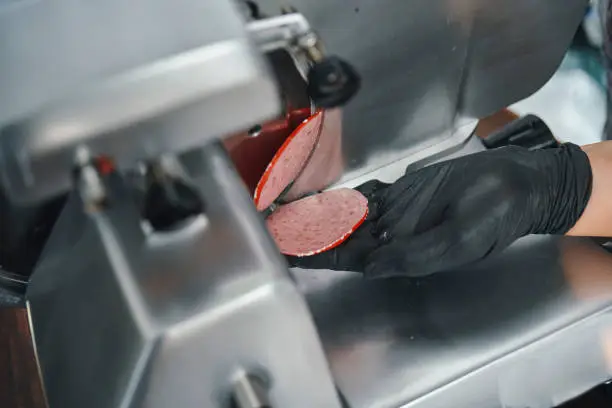
Not every meat preparation task requires the same equipment. Some cuts need clean, thin slices, while others involve thicker pieces or repeated processing. Selecting a suitable machine helps maintain the intended shape and texture.
Thin Slices for Sandwiches and Deli Preparation
Thin slices work well for sandwiches, wraps, and deli platters. They allow seasonings and sauces to spread evenly across the meat. Consistent thickness also makes portions easier to arrange.
For these tasks, an electric meat slicer with a smooth blade and adjustable thickness control can be useful. Chilled, firm meat is generally easier to slice evenly than soft meat. Always follow the machine’s instructions for preparing and positioning food.
Thicker Cuts for Cooking and Meal Preparation
Some dishes call for thicker meat portions rather than delicate slices. These include certain barbecue preparations, pan-fried dishes, and meals that require substantial pieces of meat. The required thickness depends on the recipe and cooking method.
An electric meat cutting machine designed for heavier cutting tasks may suit these requirements better than a small countertop slicer. Check the feed opening, blade configuration, and supported meat dimensions before processing larger pieces.
Preparing Meat in Repeated Batches
Batch preparation is common in butcher shops, restaurants, and busy home kitchens. Repeated cutting requires equipment that can maintain steady operation without unnecessary interruptions. The machine’s recommended duty cycle is particularly important for this type of work.
Consider how much meat you prepare during a typical session. A compact slicer may suit occasional portions, while frequent batch processing may require commercial equipment. Choosing according to actual workload helps prevent unnecessary strain on the motor.
Features Worth Checking Before Choosing Equipment
Product specifications can look similar, but small differences affect everyday use. Buyers should compare the features that directly influence cutting results, cleaning, and handling.
- Motor capacity: Check whether the motor supports your intended workload and meat types.
- Blade construction: Look for suitable blade materials and a design that supports consistent cutting.
- Thickness settings: Choose controls that match the range of portions you regularly prepare.
- Build quality: Examine the frame, food carriage, and other components that experience repeated movement.
- Operating stability: A stable base helps keep the equipment in position during normal operation.
- Cleaning access: Removable food-contact parts can make cleaning and inspection easier.
- Safety controls: Check for blade guards, food pushers, and clearly accessible power controls.
These features should be considered together rather than separately. A powerful motor doesn’t automatically produce accurate cuts if the blade or food guide is poorly suited to the task. Likewise, an adjustable blade offers limited value if the machine cannot handle the size of meat being prepared.
Safe Operation and Proper Food Handling
Meat cutting equipment requires careful handling because its blades can cause serious injuries. Read the manufacturer’s instructions before operating a new machine. Keep hands away from moving parts and use the supplied food pusher whenever the design requires it.
Place the equipment on a stable, dry surface before switching it on. Secure the meat correctly and avoid forcing it against the blade. Turn off and unplug the machine before removing food, adjusting components, or performing maintenance.
Food hygiene matters just as much as operating safety. Raw meat and ready-to-eat products should be handled separately to prevent cross-contamination. Clean and sanitize food-contact surfaces according to the manufacturer’s directions after processing.
Cleaning and Maintenance for Consistent Results
Regular cleaning helps prevent food residue from building up around the blade and food carriage. Disconnect the machine from its power source before cleaning. Remove only the components that the manufacturer identifies as removable.
Use suitable cleaning products and tools for the machine’s materials. Dry washed parts thoroughly before reassembly to reduce the risk of corrosion. Avoid exposing electrical components and the motor housing to water.
Blade condition also affects cutting performance. A dull blade can produce ragged edges and require more effort during operation. Inspect the blade regularly and follow the manufacturer’s sharpening or replacement instructions.
Choosing Equipment for Home and Commercial Kitchens
Home users often prioritize compact dimensions, straightforward controls, and convenient storage. A smaller electric meat slicer may be suitable for preparing occasional sandwich fillings, cooked roasts, and other household portions. Buyers should still consider cleaning requirements and safe storage.
Commercial kitchens have different demands. Frequent processing may require a machine with a stronger motor, suitable construction, and a duty cycle designed for repeated operation. An electric meat cutting machine intended for commercial workloads can support preparation routines when its specifications match the business’s actual needs.
The right choice depends on the amount of meat being processed, the required cut, and the frequency of use. Comparing these factors is more useful than selecting equipment based on appearance or a single specification.
Frequently Asked Questions
What is the main purpose of an electric meat slicer?
An electric meat slicer produces consistent slices of meat for sandwiches, deli platters, and meal preparation. Its adjustable settings can accommodate different slice thicknesses.
Can an electric meat cutting machine process different types of meat?
That depends on its blade design and manufacturer specifications. Some machines handle several meat types, while others are intended for specific cutting tasks.
How do I get more consistent meat slices?
Use firm, properly prepared meat and select a suitable thickness setting. Keep the food positioned correctly and avoid pushing it unevenly through the cutting area.
How often should meat cutting equipment be cleaned?
Clean and sanitize food-contact components after each use, following the manufacturer’s instructions. Additional cleaning may be necessary when switching between raw and ready-to-eat products.
What safety features should a meat cutting machine have?
Look for suitable blade guards, food pushers, stable construction, and accessible power controls. Always follow the operating instructions and disconnect the machine before cleaning or maintenance.
Conclusion
Consistent meat preparation starts with selecting equipment that matches the cutting task. Blade design, motor capacity, thickness adjustment, and machine stability all influence the final result. Understanding these features makes it easier to compare different types of cutting equipment.
You may also like: Dryer Repair San Diego For Gas And Electric Faults
An electric meat slicer can simplify thin slicing, while an electric meat cutting machine may suit other cutting requirements. Consider your typical workload, the meat you prepare, and the maintenance involved before making a choice. The right match supports accurate portions, organized preparation, and safer everyday operation.
